
Imagine this: you’re ready to tackle a tough cut, but your knife just isn’t cooperating. It feels dull, awkward, or just plain wrong. Choosing the right Made Knife can feel like navigating a maze. You want a tool that’s reliable, comfortable, and perfect for your needs, but all the choices can be overwhelming. It’s easy to feel frustrated when you don’t know where to start.
But what if finding that perfect Made Knife was easier? What if you could confidently pick a blade that feels like an extension of your own hand, ready for any task? This post is here to help you do just that. We’ll break down what makes a Made Knife truly special and guide you through the process of selecting one that fits you perfectly.
By the end of this read, you’ll have a clearer understanding of the different types of Made Knives, what features to look for, and how to make a choice that you won’t regret. Get ready to discover your next favorite kitchen companion!
Top Made Knives Recommendations

- Blade Length: 8.5” | Blade Height: 1.96" | Blade Thickness: 2 mm | Total Length: 13”
- Stainless Steel Blade - Nitrogen-treated X50CrMoV15 Stainless Steel makes Made In Knives strong enough for daily use
- Full Tang - The blades of Made In Knives extend fully through the handle for more balance and control
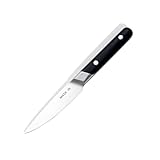
- Blade Length: 3.8” | Blade Height: 1.83" | Blade Thickness 2 mm | Total Length: 8”
- Stainless Steel Blade - Nitrogen-treated X50CrMoV15 Stainless Steel makes Made In Knives strong enough for daily use
- Full Tang - The blades of Made In Knives extend fully through the handle for more balance and control
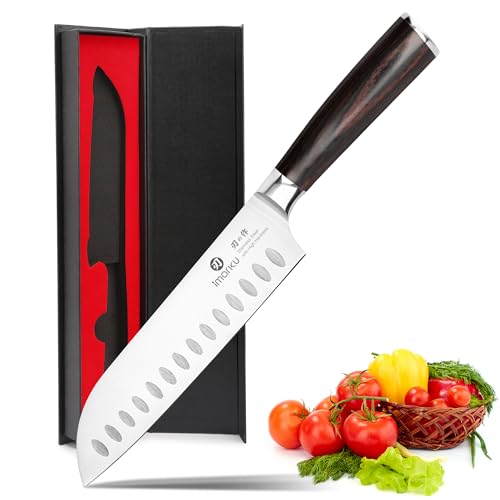
- Professional Chefs Knife: This imarku super sharp chef’s knife is made of Japanese high carbon stainless steel that resists rust, corrosion, and discoloration. It can be used for your daily kitchen tasks of chopping, slicing, dicing, and mincing of all kinds of meat, vegetables, fruits, and bread. It is suitable for both home and restaurant kitchens.
- Ultra-Sharp Edge: Sharpness is key. The professional sharp knife blade polishing makes this japanese knife be more sharper than others, and it has been proven its ability to withstand the rigors of tough restaurant use. The thickness of this japanese chef knife is 2.5mm. Its hand-polished edge is 15-18 degrees per side, which is sturdy and sharp to get the job done perfectly.
- Hollow Edge Design: The 7-inch chopping knife scalloped hollow edge adds gap between the knife blade and the material being cut, keeping things from sticking to the knife blade, special for slicing, dicing, and mincing.

- Japanese Steel Chef Knife – Forged from Japanese stainless steel for a sharp, precise edge; a versatile kitchen knife for cutting, slicing and chopping.
- Balanced for Control – The balanced weight and solid handle give you control for everyday cooking at home or at the BBQ.
- 6.3 Inch Blade – The 6.3 in (16 cm) blade handles meat, vegetables and herbs for daily kitchen prep.

- Blade Length: 4.5” | Handle Length: 4.5” | Total Length: 9"
- Stainless Steel Blade - Nitrogen-treated X50CrMoV15 Stainless Steel makes Made In Knives strong enough for daily use
- Full Tang - The blades of Made In Knives extend fully through the handle for more balance and control

- [ PREMIUM JAPANESE STEEL ] - The blade is made of a High Carbon 13 Chrome Molybdenum Stainless Steel and is hand sharpened to a 15 degree angle by skilled Kimura craftsmen. The blade is heat treated to 57 HRC which offers the ideal balance between edge retention and durability with 2x the carbon content of similar kitchen knives.
- [ MADE IN JAPAN ] - The Kimura Nakiri Chef Knife is manufactured in Seki, Japan and is a popular choice for both professional and home chefs throughout Japan.
- [ ERGONOMIC HANDLE ] - The POM Resin knife handle is non-slip and easy to grip offering superior comfort. Accompanied with a full bolster, the knife handle is ergonomic allowing chefs to choose between a regular, pointed finger or pinch grip.

- Blade Angle: 15-Degrees | Blade Type: Double Bevel | Blade Length: 6 9/16” | Blade Height: 1 3/4” | Blade Thickness: 2.3mm | Total Length: 11 3/4”
- Thin rectangular blade - The Nakiri features a long, tall, rectangular blade that’s perfect for precisely chopping, slicing, and mincing fruit and vegetables
- Supreme Precision - The VG10 Core has a higher carbon content so your knife stays sharper for longer

- Professional Chef Knife for Kitchen Prep – The Matsato Osuren chef knife is designed for everyday cooking tasks including slicing, chopping, and cutting. A versatile kitchen knife suitable for vegetables, meat, herbs, and general food preparation.
- Sharp Stainless Steel Kitchen Knife – Crafted from durable stainless steel, this sharp knife provides reliable cutting performance for cooking tasks. Ideal as a chopping knife, meat knife, or cutting knife for daily kitchen use.
- Multi-Purpose Cooking Knife – This chef’s knife works as a vegetable chopper, meat cutting knife, and general cooking knife. A practical addition to kitchen knives collections and essential kitchen tools.
Choosing Your Perfect Made Knife: A Buyer’s Guide
So, you’re looking for a great knife! Made Knives are known for their quality and style. This guide will help you pick the best one for you.
What to Look For: Key Features
Blade Shape:
The shape of the blade matters. Some knives have a pointed tip, good for piercing. Others have a rounded belly, great for slicing. Think about what you’ll cut most often.
Handle Comfort:
You’ll hold the knife a lot. A comfortable handle feels good in your hand. It should not be too slippery. It helps you cut safely and with less effort.
Blade Length:
Blade length affects how you use the knife. Shorter blades are good for small tasks. Longer blades work well for bigger jobs. A good all-around length is usually between 3 and 6 inches.
Locking Mechanism (for folding knives):
If you choose a folding knife, check how it locks. A strong lock keeps the blade from closing when you don’t want it to. This is very important for safety.
Understanding Materials: What’s Inside?
Blade Steel:
The metal the blade is made from is called steel. Different steels have different strengths. Some are very hard and keep their sharp edge for a long time. Others are more flexible. Stainless steel is popular because it resists rust.
Handle Materials:
Handles can be made from many things. Wood looks nice and feels natural. Plastic or synthetic materials are often tough and easy to clean. Some knives use metal for a strong grip.
Quality Matters: What Makes a Good Knife?
Sharpness Out of the Box:
A good knife is sharp when you buy it. You shouldn’t have to sharpen it right away. Made Knives often come very sharp.
Fit and Finish:
Look closely at the knife. Are there any gaps or rough spots? A well-made knife has a smooth, clean look. Everything should fit together perfectly.
Durability:
A quality knife lasts a long time. It can handle regular use without breaking. Good materials and strong construction lead to a durable knife.
User Experience and Use Cases: How Will You Use It?
Everyday Carry (EDC):
Many people use knives for daily tasks. This could be opening packages, cutting food on a picnic, or simple repairs. For EDC, a smaller, lightweight folding knife is often best.
Kitchen Use:
If you cook a lot, a good kitchen knife is essential. Chef’s knives, paring knives, and bread knives all have specific jobs. They need to be sharp and comfortable for chopping and slicing.
Outdoor Adventures:
For camping, hiking, or fishing, a sturdy knife is a must. You might need it for preparing food, making kindling, or other survival tasks. A fixed-blade knife is often preferred for tough outdoor jobs.
Frequently Asked Questions (FAQ) about Made Knives
Q: What makes Made Knives special?
A: Made Knives are known for their good craftsmanship and sharp blades. They use quality materials.
Q: Are Made Knives easy to sharpen?
A: Yes, most Made Knives are made from steel that sharpens well. You can keep them sharp with a sharpening stone or steel.
Q: What is the best Made Knife for beginners?
A: For beginners, a simple, fixed-blade knife or a reliable folding knife with an easy-to-use lock is a great choice. Look for something comfortable to hold.
Q: How do I clean my Made Knife?
A: Clean your knife with soap and water. Dry it completely right after. This stops rust and keeps it in good shape.
Q: Can I use my Made Knife for tough jobs like chopping wood?
A: For very tough jobs, a strong fixed-blade knife is usually better. Folding knives can be used for lighter tasks, but be careful not to damage the mechanism.
Q: What kind of steel do Made Knives typically use?
A: Made Knives often use good quality stainless steels. These steels are strong and resist rust.
Q: Is a folding knife or a fixed-blade knife better?
A: It depends on what you need. Folding knives are easy to carry. Fixed-blade knives are usually stronger for heavy-duty work.
Q: How often should I sharpen my Made Knife?
A: Sharpen your knife when it starts to feel dull. For most people, this might be every few months, depending on how much you use it.
Q: Are Made Knives expensive?
A: Made Knives offer good value for their quality. Prices can vary depending on the model and materials.
Q: Where can I buy Made Knives?
A: You can buy Made Knives from their official website, as well as from many outdoor gear stores and online retailers.

Hi, I’m Tom Scalisi, and welcome to The Saw Blog! I started this blog to share my hands-on experience and insights about woodworking tools—especially saws and saw blades. Over the years, I’ve had the chance to work with a wide range of tools, and I’m here to help both professionals and hobbyists make informed decisions when it comes to selecting and using their equipment. Whether you’re looking for in-depth reviews, tips, or just advice on how to get the best performance out of your tools, you’ll find it here. I’m excited to be part of your woodworking journey!