
Do your eyes feel dry and scratchy when you wear your contact lenses? You’re not alone! Many contact lens wearers experience discomfort, especially after a long day. Finding the perfect eye drops can feel like searching for a needle in a haystack. There are so many brands and types, it’s tough to know which ones are best for your eyes and your lenses.
But what if we told you that relief is within reach? In this post, we’ll break down the mystery of eye drops for contact lenses. You’ll learn what to look for, what to avoid, and how to pick the drops that will keep your eyes feeling fresh and comfortable all day long. Get ready to say goodbye to dry, irritated eyes and hello to happy, healthy contact lens wear!
Top Eye Drops For Contact Lenses Recommendations

- Opti-Free Puremoist Rewetting Drops give you a refreshing burst of moisture for added comfort when wearing contact lenses
- Removes particles that cause irritation
- Helps prevent deposit build-up
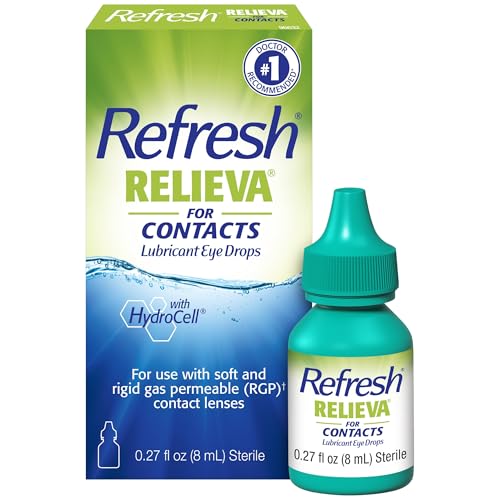
- ENHANCED FORMULA: Dry eye relief scientifically designed for contact lens wearers
- FAST ACTING: Instantly lubricates and wets contact lenses to relieve dryness, burning, irritation, and discomfort in the eye
- EASY TO USE: You may keep your contacts in during application

- The information below is per-pack only
- Relief with Every Blink: Blink Contacts Lubricating Eye Drops moisturize dry contact lenses to provide long-lasting comfort. These drops work with the eye's natural tears to help keep your contact lenses feeling fresh and comfortable all day
- Hydration Boost with Hyaluronate: Our moisturizing eye drops instantly moisturize dry lenses. Our unique hyaluronate formulate works as a hydration booster to help contacts stay refreshed and comfortable through end of day

- NATURALLY INSPIRED INGREDIENTS: Biotrue Hydration Boost for Contacts are enhanced with HA (Hyaluronan), Antioxidant (Protects HA from free radicals), and Electrolyte.
- LASTING MOISTURE: For up to 8 hours of moisture (based on a laboratory study) and to help prevent deposit buildup.
- REWETTING DROPS FOR CONTACT LENSES: Biotrue Hydration Boost for Contacts are the first preservative free multi-dose contact lens drops.

- The information below is per-pack only
- Relief with Every Blink: Over the course of the day, a film of protein and other material can build up on your contact lenses, irritating your eyes. Blink eye drops for contact lenses provide convenient and gentle in-eye contact lens cleaning
- Clean & Moisturize: Blink sterile, preserved rewetting drops for contact lenses do more than just moisturize, they clean too. The dual cleansing formula gently removes build up and moisturizes your contact lenses while you wear them
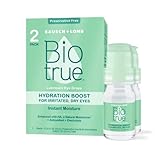
- NATURALLY INSPIRED INGREDIENTS: Biotrue Hydration Boost Eye Drops are enhanced with HA (Hyaluronan), Antioxidant, and Electrolyte and provide instant moisture for dry eyes.
- INSTANT MOISTURE: For dry, irritated eyes due to screen and environmental stressors.
- Special preservative free, multi-dose bottle.

- ORIGINAL STRENGTH: Provides temporary relief for mild, occasional dry eye symptoms
- FAST ACTING: Instantly lubricates and moisturizes
- EASY TO USE: Apply 1-2 drops in the affected eye(s) as needed
Your Guide to Comfortable Contact Lens Wear: Choosing the Best Eye Drops
Wearing contact lenses can be great! They help you see clearly without glasses. But sometimes, your eyes can feel dry or irritated. Eye drops for contact lenses are your secret weapon for comfort. This guide helps you find the right ones.
Why Do You Need Special Eye Drops?
Regular eye drops might not be safe for your contact lenses. Some can damage the lens material or leave a film. Drops made for contact lenses are designed to be safe and effective. They rewet your lenses and soothe your eyes.
Key Features to Look For
Lubrication and Comfort
The main job of these drops is to make your eyes feel better. Look for drops that say they “lubricate” or “moisturize.” They should help with dryness, burning, or a gritty feeling. This makes wearing your lenses all day much easier.
Preservative-Free Options
Some eye drops have preservatives. These chemicals help the drops last longer. However, preservatives can sometimes irritate sensitive eyes or build up on contact lenses. If you have sensitive eyes or wear your lenses often, preservative-free drops are a great choice. They often come in small, single-use vials.
Compatibility with Lens Types
Not all eye drops work with all types of contact lenses. Most drops are safe for soft lenses (like dailies and monthlies). But always check the label. Make sure the drops are okay to use with your specific lens material. This is very important!
Ingredients That Matter
Important Materials
Many good eye drops use ingredients like:
- Hyaluronic Acid: This is a super hydrator. It holds a lot of water, which keeps your eyes moist.
- Glycerin: Another humectant that attracts and holds moisture.
- Carboxymethylcellulose (CMC): This ingredient helps create a smooth, comfortable surface on your eye and lens.
- Polyethylene Glycol (PEG) and Polypropylene Glycol (PPG): These are lubricants that help your eyelids glide smoothly over your eye.
These ingredients are gentle and effective. They help your eyes feel refreshed.
What Makes Eye Drops Better or Worse?
Factors That Improve Quality
- Fast-Acting Relief: The best drops work quickly to soothe discomfort.
- Long-Lasting Comfort: Good drops keep your eyes feeling comfortable for hours.
- Gentle Formula: They shouldn’t sting or cause redness.
- Easy to Use Packaging: Bottles that are easy to squeeze and drop accurately are a plus.
Factors That Reduce Quality
- Sticky Residue: Some drops leave a film on your lenses or eyes. This can blur your vision.
- Irritation or Stinging: If a drop makes your eyes feel worse, it’s not the right one.
- Not Compatible with Lenses: Using the wrong drops can damage your lenses.
- Short-Lived Relief: If the comfort only lasts a few minutes, the drops aren’t very helpful.
User Experience and Use Cases
Who Needs These Drops?
Anyone who wears contact lenses can benefit. This includes people who:
- Work on computers all day.
- Spend a lot of time in dry or air-conditioned environments.
- Experience seasonal allergies.
- Just need a little extra comfort during the day.
When to Use Them
You can use these drops anytime your eyes feel dry, tired, or irritated while wearing your lenses. Some people use them once or twice a day. Others use them as needed throughout the day. Always follow the instructions on the bottle.
Frequently Asked Questions (FAQ)
Q: Can I use any eye drops with my contact lenses?
A: No. You should only use eye drops that are specifically made for contact lens wearers. Regular eye drops can damage your lenses or irritate your eyes.
Q: How often can I use contact lens eye drops?
A: You can usually use them as needed throughout the day. Check the product label for specific instructions.
Q: What does “preservative-free” mean for eye drops?
A: Preservative-free drops do not contain chemicals that prevent bacteria from growing. They are often recommended for sensitive eyes and come in single-use vials.
Q: My eyes feel gritty. Will these drops help?
A: Yes, many contact lens eye drops are designed to relieve that gritty or sandy feeling by adding moisture.
Q: Can I put these drops in before I put my lenses in?
A: Some drops are okay to use before insertion, but many are meant for use while wearing your lenses. Always read the product directions.
Q: What if my eyes are red after using the drops?
A: If your eyes become red or more irritated, stop using the drops and consult your eye doctor.
Q: Are these drops the same as rewetting drops?
A: Yes, “rewetting drops” and “lubricating drops” for contact lenses are usually the same thing. They both add moisture.
Q: Can I use these drops with colored contact lenses?
A: Yes, most drops safe for regular soft contact lenses are also safe for colored ones.
Q: How do I store these eye drops?
A: Store them at room temperature, away from direct sunlight. Check the packaging for specific storage advice.
Q: When should I see an eye doctor about my dry eyes?
A: If your dry eye symptoms are severe, don’t improve with drops, or you have pain or vision changes, see your eye doctor right away.

Hi, I’m Tom Scalisi, and welcome to The Saw Blog! I started this blog to share my hands-on experience and insights about woodworking tools—especially saws and saw blades. Over the years, I’ve had the chance to work with a wide range of tools, and I’m here to help both professionals and hobbyists make informed decisions when it comes to selecting and using their equipment. Whether you’re looking for in-depth reviews, tips, or just advice on how to get the best performance out of your tools, you’ll find it here. I’m excited to be part of your woodworking journey!