
As an Amazon Associate I earn from qualifying purchases.
Finding the right Way To Learn Times Tables can be difficult when a child loses interest in repeated drills. Different learners may respond better to visual explanations, clue cards, self-checking activities or hands-on practice.
Look at the coverage, feedback method and level of independence each option offers. A focused learning book may suit a child who needs a clear method, while cards and boards provide repeatable practice.
These five picks were selected from the listed product details, with priority given to distinct learning formats rather than colour or size variations. The selection includes books, flashcards, a practice board and a tactile digital toy.
Below, you will find the strongest match for each type of learner, followed by practical guidance on choosing a multiplication resource for home, tutoring or classroom use.
Our Top 5 Way To Learn Times Tables Picks at a Glance
| Product | ||
|---|---|---|
 |
City Creek Press Times Tables the Fun Way Clue Cards Game-like multiplication practice |
Check Price |
 |
Kids Learn Visually Times Tables in a Week Visual learners needing structure |
Check Price |
 |
hand2mind Multiplication Practice Board Independent self-checking practice |
Check Price |
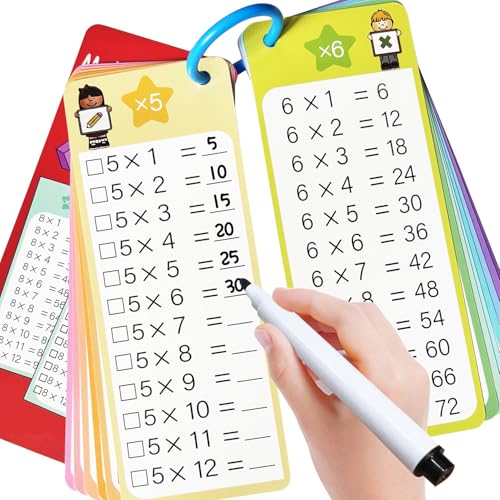 |
Kiadekoce Multiplication Flash Cards 0-12 Portable flashcard drills |
Check Price |
 |
TDDTLA 12×12 Digital Multiplication Toy Tactile, hands-on learning |
Check Price |
Top 5 Multiplication Learning Tools: Detailed Reviews
1. City Creek Press Times Tables the Fun Way Clue Cards
City Creek Press’s Times Tables the Fun Way: Clue Cards offers a game-like Way To Learn Times Tables through clue-card practice. Instead of presenting multiplication as a plain list of sums, it provides a more engaging routine built around clues. That format can make repeated practice feel less dry, particularly for children who lose interest with conventional drills. Its main strength is the change in presentation rather than a long list of documented extras, since no additional features are listed. Treat it as a motivational practice aid, not a complete maths programme.
What We Like:
- Clue cards make multiplication practice feel more like a game.
- The format can add variety to a repetitive study routine.
- It may help reluctant learners engage with regular practice.
- The approach focuses on making recall practice feel less dry.
- It suits families seeking an alternative to plain multiplication drills.
What Could Be Improved:
- The available product information lists no additional features, so its overall scope is difficult to judge.
- Children who prefer direct written exercises may find the clue-card format less appealing.
- It should not be your only resource if you need a broader maths programme.
Buy it if you want a more engaging, clue-led routine for multiplication practice, especially for a child who resists ordinary drills. Skip it if you prefer worksheets, need clearly documented features, or want one resource to cover maths instruction beyond times-table practice.
2. Kids Learn Visually Times Tables in a Week
Kids Learn Visually’s Learn your Times Tables in a Week presents a visual method built around a one-week plan. If you need a Way To Learn Times Tables with a clear time frame, this structure gives practice a defined starting point and finish. Its focus is visual learning rather than game-style drills, flashcards or a physical practice board. The approach is simple to start, with no extra equipment mentioned. However, the available product information lists no additional features, so the exact activities and teaching sequence are not clear.
What We Like:
- It targets children who learn well through visual presentation.
- The one-week plan provides a clear practice structure.
- A defined finish line can make the goal feel manageable.
- Its simple format does not require a separate game or practice board.
- The method offers a focused alternative to standard flashcard drills.
What Could Be Improved:
- A one-week schedule may feel too fast for children who need more repetition.
- The visual approach may not suit learners who prefer hands-on practice or games.
- The listed information does not explain the specific activities used each day.
Choose it if your child responds well to visual learning and benefits from a short, clearly defined plan. Skip it if you want detailed practice tools, hands-on materials or a flexible pace, since the available information does not describe those elements.
3. hand2mind Multiplication Practice Board
This board offers a practical Way To Learn Times Tables through hands-on, self-checking practice. Kids work through 81 multiplication equations on a 9-by-9 grid, then spin a dial to reveal each answer and correct mistakes immediately. The tactile controls and clear layout support independent use, while repeated practice can build recall, pattern recognition, skip-counting, doubles, and making-tens strategies. It needs no batteries, resets easily, and works for classroom centers, tutoring, small groups, travel, or home practice. An included activity guide adds warm-ups, games, and quick-check ideas.
What We Like:
- Self-checking lets children spot and fix errors without waiting for an adult.
- Tactile dials make repeated equation practice more active than writing worksheets.
- The 81-equation grid provides focused practice across a broad set of facts.
- Battery-free operation keeps setup simple at home, in class, or while travelling.
- The activity guide gives adults several ways to vary practice sessions.
What Could Be Improved:
- The 9-by-9 grid does not cover the full 0-12 multiplication range.
- Children who need visual explanations or step-by-step teaching may need extra support beyond the board.
- Repeated independent drills may feel limited once a child has mastered the included equations.
Buy it if you want a portable, battery-free practice tool for children aged 7 and up who can work independently and benefit from immediate feedback. Skip it if you need full 0-12 coverage, detailed instruction, or a resource designed primarily for teaching multiplication concepts rather than practising recall.
4. Kiadekoce Multiplication Flash Cards 0-12
If you need a portable Way To Learn Times Tables, the Kiadekoce flash cards offer straightforward, repeatable drills. The 15 double-sided cards cover multiplication facts from 0 to 12, with problems on the front and answers on the back for self-checking. Thickened, laminated cardboard supports repeated use, while the two black and red dry-erase markers let children write directly on the cards. Binder rings keep the set together, and the compact 2.81-by-7.10-inch, round-edged cards fit easily in a backpack or tote.
What We Like:
- The front-and-back layout makes independent checking simple.
- Laminated cards can be wiped clean and reused.
- The markers add an interactive element to routine practice.
- Binder rings keep all 15 cards organized together.
- The compact size suits travel and short practice sessions.
What Could Be Improved:
- The set relies on drill practice, so it may feel repetitive for children who need games or visual explanations.
- Only two markers are included, which may limit colour-based activities if one is misplaced.
- The cards cover facts from 0 to 12 but do not provide a broader lesson structure.
Buy this if your child benefits from short, portable multiplication drills and can work independently with answer cards. The reusable surface and markers suit regular practice at home or on the move. Skip it if you want a game-based activity, detailed instruction, or a more varied teaching system.
5. TDDTLA 12×12 Digital Multiplication Toy
For a tactile Way To Learn Times Tables, the TDDTLA 12×12 Digital Multiplication Toy combines a right-angle multiplication table with rainbow silicone bubbles you can press repeatedly. That gives children a hands-on way to interact with multiplication facts while also offering a relaxation-toy angle for stressed or autistic users. Its silicone construction is described as non-toxic, odorless, comfortable to touch, and durable. Because it combines play and number learning, you can use it at home or in class, though it is better suited to repeated practice than a complete lesson plan.
What We Like:
- Pressable bubbles add tactile interaction to multiplication practice.
- The 12×12 layout covers multiplication facts through 12.
- The silicone is described as comfortable, odorless, non-toxic, and durable.
- Repeated pressing gives it a relaxation-toy use for stressed or autistic users.
- It combines toy and number-learning functions for home or classroom use.
What Could Be Improved:
- It does not provide a stated progression, lesson sequence, or answer-checking system.
- The bubbles may become the focus instead of deliberate multiplication recall.
- The product information does not explain how the digital element works or mention included instructions.
Choose it if tactile play helps you or your child engage with multiplication, or if you want a practice tool with a relaxation angle. Skip it if you need structured teaching, built-in feedback, or a clearly explained digital learning system.
How To Choose A Times Tables Learning Tool
The best Way To Learn Times Tables depends on how the learner absorbs information, how much support they need, and where practice will happen. Start by choosing a format that feels manageable rather than simply selecting the most comprehensive-looking option. A good match makes it easier to practise regularly and notice which facts still need work.
Match the Way To Learn Times Tables to the learner
Visual learners may respond well to clear layouts, patterns, and worked examples, while others may remember facts more readily through games, repetition, or hands-on activity. Consider whether the child enjoys solving clues, handling physical pieces, or working through a predictable sequence. The right format should suit their attention span and reduce unnecessary frustration.
Choose the right level of structure
Some children need a planned routine that guides them from one multiplication group to the next. Others can work independently if the activity gives them a clear way to check an answer. If an adult will usually supervise, a more open-ended practice tool may be fine; if the child will practise alone, straightforward instructions and feedback matter more.
Think about feedback and repetition
Times tables improve through repeated recall, so look for a resource that makes it easy to revisit difficult facts without turning every session into a test. Self-checking features can help a child correct mistakes independently, while flashcard-style drills support short bursts of repeated practice. Game-like activities may make repetition feel less routine, but they still need to give the learner enough exposure to the facts.
Consider where practice will take place
A larger, tactile resource can work well at a desk or during a focused lesson, while cards are easier to carry between rooms or use away from home. Also check the multiplication range covered: a resource focused on a smaller set may suit early practice, whereas coverage through 12 by 12 is more useful if the learner needs broader revision. Choose the option you can realistically bring out and use often.
Which Times Tables Learning Option Should You Choose?
City Creek Press Times Tables the Fun Way Clue Cards are the best overall pick because the game-like clue format can make repeated multiplication practice feel more engaging. Kids Learn Visually Times Tables in a Week is the best alternative for a learner who needs visual support and a clear structure. Choose between them based on whether motivation or guided visual learning is the bigger priority.

Hi, I’m Tom Scalisi, and welcome to The Saw Blog! I started this blog to share my hands-on experience and insights about woodworking tools—especially saws and saw blades. Over the years, I’ve had the chance to work with a wide range of tools, and I’m here to help both professionals and hobbyists make informed decisions when it comes to selecting and using their equipment. Whether you’re looking for in-depth reviews, tips, or just advice on how to get the best performance out of your tools, you’ll find it here. I’m excited to be part of your woodworking journey!