
Imagine this: your skin feels perpetually dry, your hair never quite shines, and your dishes are always speckled with stubborn white spots. Sound familiar? For many, this is the daily reality of dealing with hard water. The minerals in hard water, like calcium and magnesium, might be good for your bones, but they’re not so great for your home and your personal care routine.
But what if there was a solution? Soft water conditioners promise to banish these nuisances, offering a smoother, more pleasant experience. Yet, stepping into the world of water softening can feel like navigating a maze. So many brands, so many features – it’s easy to get overwhelmed. You want to make the best choice for your family and your budget, but where do you even begin?
This post is here to guide you through the noise. We’ll break down what makes a soft water conditioner truly effective, explore the different types available, and highlight key features to look for. By the end, you’ll have the knowledge to pick a system that will transform your water and leave you wondering how you ever lived without it.
Top Soft Water Conditioner Recommendations

- Soft Skin Spa has the benefits of great feeling water, like Softness, Protection and Balance.
- Once-per-week solution. Simply add 1 oz. per 100 gallons.
- Each box contains 2 - 1 Liter bottles lasting for 4 to 6 months, Now with Silver to lower that amount of sanitizer needed, Magnesium to help sore muscles and phosphate remover.

- Soft and Clear Water: Clorox Pool and Spa Soft and Clear helps maintain a crystal-clear, soft water for a more enjoyable spa experience.
- Prevents Build-Up: Formulated to prevent unsightly waterline build-up, keeping your spa looking pristine.
- Quick Results: Ready to enjoy in just 15 minutes after application, so you can relax without the wait

- Softer, Silky, Moisturized Water With a Clean Scent: This hot tub water softener and spa conditioner smooths hard water on contact, leaving skin soft and moisturized while cutting the dryness, itching, and eye and skin irritation that hard water causes.
- Stops Scum Lines and Scale Buildup: This hot tub conditioner treats hard water so minerals can't cling to your shell, jets, or waterline, helping keep water clear and your spa cleaner for longer, even with well water or high calcium. Won't fix already-cloudy water, pair it with ProTeam Spa Sky Blue Clarifier for that.
- pH-Neutral, Oil-Free, Fast-Dissolving Borate Formula: Dissolves quickly and won't throw off pH or alkalinity, alter oil balance, or clog filters, and helps lock in alkalinity so you adjust water balance less often (target range pH 7.2-7.6, alkalinity 100-120 ppm). Works alongside chlorine, bromine, or mineral sanitizer systems. Safe for inflatable, portable, acrylic, rotomolded, and in-ground spas.

- Contains one (1) API TAP WATER CONDITIONER Aquarium Water Conditioner 16-Ounce Bottle
- Neutralizes chlorine, chloramines and other chemicals to make tap water safe for fish
- Prevents tap water chemicals from causing gill destruction, tissue irritation and fish death

- Moisturizing Hair Conditioner: Instantly restores, revitalizes and repairs dry hair with weightless hydration that leaves hair incredibly soft, shiny and silky smooth for days. Suitable for all hair types.
- Refreshing Rain Water Scent: The refreshing rain water scent will leave you feeling soothed and refreshed.
- Naturally Derived Ingredients: Enriched with naturally derived botanicals to lock in moisture and nourish dry hair. Toxin-free formula is paraben, sulfate, phosphate and gluten-free.

- All Soft Conditioner: Moisturizing conditioner for dry, brittle hair that conditions, hydrates and softens for better manageability and shine.
- Argan Oil Formula: Formulated with argan oil and Redken's Moisture Complex to soften, moisturize and condition from root to tip. Gluten free.
- 10x Smoother Hair: Provides 10x smoother and 10x more conditioned hair when used with the complete All Soft haircare system.

- Contains one (1) API TAP WATER CONDITIONER Aquarium Water Conditioner 4-Ounce Bottle
- Neutralizes chlorine, chloramines and other chemicals to make tap water safe for fish
- Prevents tap water chemicals from causing gill destruction, tissue irritation and fish death
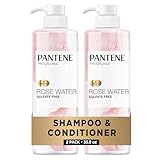
- ROSE WATER INFUSED FORMULA: Infused with soothing rose water, this shampoo and conditioner set delivers gentle hydration and protects hair from damage. It helps moisturize, and restore shine for smoother, healthier-looking hair
- TOUCHABLE, PETAL-SOFT HAIR: Transform brittle, thirsty strands into touchably soft, radiant locks. The gentle nourishing formula boosts lightweight hydration, making hair easier to detangle and improve overall manageability-perfect for daily use
- CLEAN, SAFE & SULFATE-FREE FORMULA: Free from sulfates, parabens, dyes, and mineral oil, this gentle shampoo protects color-treated hair, and leaves strands soft, lightweight, and visibly healthier after each use
Your Guide to Softer Water: Choosing the Right Conditioner
Q: What is a soft water conditioner?
A: A soft water conditioner makes your hard water soft. It removes minerals like calcium and magnesium that make water hard. Soft water feels smoother and is better for your home.
Why You Need a Soft Water Conditioner
Hard water causes problems. It leaves white spots on your dishes and faucets. It can make your clothes feel stiff and scratchy. Soap doesn’t lather well in hard water. This means you use more soap and shampoo. A soft water conditioner fixes these issues. It protects your appliances too. Things like dishwashers and water heaters last longer with soft water.
Key Features to Look For
1. Type of Softener
There are two main types. You can get a salt-based softener or a salt-free conditioner. Salt-based softeners use salt to swap minerals. They work very well. Salt-free conditioners use a different method. They change the minerals so they don’t stick to surfaces. They don’t actually remove the minerals.
2. Capacity and Flow Rate
Think about how much water your family uses. A softener has a grain capacity. Higher capacity means it can soften more water before needing a recharge. The flow rate tells you how much water can pass through it. Make sure it’s enough for your home’s needs, especially during busy times like showers.
3. Regeneration Type (for Salt-Based)
Salt-based softeners need to “regenerate.” This is when they clean themselves. Some do this on a timer. Others do it when they sense you’re running low on soft water. Demand-initiated regeneration is more efficient. It saves salt and water.
4. Smart Features
Some modern softeners have smart technology. They connect to your phone. You can monitor water usage and salt levels. You might even get alerts when it’s time to add salt.
Important Materials
The main part of a salt-based softener is the resin tank. This tank holds small beads called resin. These beads attract the hardness minerals. The brine tank holds the salt. For salt-free conditioners, the media inside is different. It’s designed to alter the mineral structure.
Factors That Improve or Reduce Quality
What Improves Quality:
- Good Brand Reputation: Choose brands known for making reliable water treatment products.
- Durable Materials: Look for sturdy tanks and components that won’t crack or corrode.
- Efficient Regeneration: For salt-based systems, efficient regeneration means less waste of salt and water.
- Good Warranty: A longer warranty often shows the manufacturer’s confidence in their product.
What Reduces Quality:
- Cheaply Made Parts: Plastic components that feel flimsy might break easily.
- Inefficient Design: A softener that uses too much salt or water is a sign of poor design.
- Lack of Support: If a company doesn’t offer good customer service, it can be hard to fix problems.
User Experience and Use Cases
User Experience:
Many people report loving soft water. Their skin feels softer after showering. Their hair is less frizzy. Dishes come out sparkling clean. Laundry feels softer and lasts longer. You’ll notice less soap scum in your bathroom. The initial setup can sometimes be tricky, but once it’s running, it’s usually very low maintenance.
Use Cases:
- Homes with Hard Water: This is the primary use. If you have noticeable hard water issues, a softener is ideal.
- Protecting Appliances: If you want your water heater, dishwasher, and washing machine to last longer, soft water helps.
- Improving Cleaning: Soap and detergent work better with soft water. This makes cleaning tasks easier and more effective.
- Healthier Skin and Hair: Many users find their skin and hair feel better with soft water.
Frequently Asked Questions (FAQ)
Q: How often do I need to add salt to a salt-based softener?
A: It depends on how much water you use and how hard it is. Usually, you add salt every few months.
Q: Are salt-free conditioners as good as salt-based ones?
A: Salt-free conditioners prevent scale buildup but don’t actually remove minerals. Salt-based softeners remove minerals completely.
Q: Will soft water taste different?
A: Some people notice a slight difference in taste. It might taste a little “slippery.” Many people get used to it quickly.
Q: How long do water softeners last?
A: A good quality water softener can last 10 to 20 years with proper maintenance.
Q: Can I install a water softener myself?
A: Some people can. It involves plumbing work. Many prefer to hire a professional to ensure it’s done correctly.
Q: Do I need a water softener if I have a water filter?
A: A water filter usually removes different things, like chlorine or sediment. A softener specifically targets hardness minerals.
Q: Is soft water bad for plants?
A: For most household plants, soft water is fine. Very sensitive plants might prefer rainwater or filtered water.
Q: How do I know if my water is hard?
A: You can buy a water hardness test kit. Or, you can ask your local water company for a report.
Q: What is the difference between a water softener and a water conditioner?
A: A water softener removes hardness minerals. A water conditioner changes them so they don’t cause scale. They are often used interchangeably, but the method is different.
Q: How much does a water softener cost?
A: Prices vary widely. Basic models can start around a few hundred dollars. High-end or whole-house systems can cost over a thousand dollars, plus installation.

Hi, I’m Tom Scalisi, and welcome to The Saw Blog! I started this blog to share my hands-on experience and insights about woodworking tools—especially saws and saw blades. Over the years, I’ve had the chance to work with a wide range of tools, and I’m here to help both professionals and hobbyists make informed decisions when it comes to selecting and using their equipment. Whether you’re looking for in-depth reviews, tips, or just advice on how to get the best performance out of your tools, you’ll find it here. I’m excited to be part of your woodworking journey!