
Imagine crawling through thick mud, scaling a towering wall, and then plunging into icy water. Does your current running shoe feel ready for that kind of intense challenge? Choosing the right footwear for a Tough Mudder isn’t just about comfort; it’s about survival and performance. The wrong shoes can mean slipping on every obstacle, losing precious race time, or even worse, getting injured when you hit that muddy incline.
Many participants get overwhelmed by technical jargon. Should you choose a minimalist shoe or something with more grip? How much water drainage do you really need? These decisions directly impact how much you enjoy (and conquer!) the course. Getting this wrong can turn a fun adventure into a frustrating slog.
This guide cuts through the confusion. We will break down exactly what makes a Tough Mudder shoe successful. You will learn the essential features to look for, the common mistakes to avoid, and the top shoe styles that conquer the course every time. Ready to stop worrying about your feet and start focusing on crushing that finish line?
Top Shoes To Wear For Tough Mudder Recommendations

- All Day Performance: The removable polyurethane footbed creates underfoot comfort with a nylon shank for added arch support, along with stability and long-lasting performance. Temperature-regulation is built into the neoprene lining with TempSens technology reacting to your body temperature and sweat level to keep you dry and comfortable, and Scentban scent control eliminates odors inside the boot.
- Tough Terrain Traction: Keep stability and traction in dirty, mucky, wet, and slippery conditions with the rubber mudder outsole tread design with an aggressive lug pattern that facilitates the release of mud and dirt.
- Waterproof Design: Lightweight vulcanized rubber and 5mm neoprene constructed upper creates a waterproof design to get through wet and muddy conditions.

- Superior Waterproof Design: Made from 100% natural rubber and insulating neoprene, these shoes ensure your feet stay dry and warm in any weather condition. The integrated design provides all-around waterproof protection, shock absorption, and heat retention
- Comfortable Memory Foam Insoles: These boots come with comfortable removable memory foam insoles that cushion your every step, making long hours in the garden more comfortable
- Breathable and Snug Fit: Fully lined with breathable neoprene, these rain boots fit snugly around your ankle, keeping out water, stones, and mud. The breathable Air-mesh Lining wicks away moisture and sweat, ensuring your feet stay dry and comfortable all day long

- All Day Performance: A versatile pull-on boot with removable polyurethane footbed with RPM midsole to reduce weight of the boot without sacrificing comfort or durability and a nylon shank for stability and long-lasting performance. Features an adjustable strap at the calf for a tighter fit when needed. Tailored fit with full fit design for wider leg and ankle openings for easy on-off.
- Tough Terrain Traction: Keep stability and traction in dirty, mucky, wet, and slippery conditions with the Rubber Mudder outsole tread design with an aggressive lug pattern that facilitates the release of mud and dirt.
- Waterproof Design: Lightweight vulcanized rubber and 7mm neoprene constructed upper creates a waterproof design to get through wet and muddy conditions. Exclusive Scentban scent control eliminates odors inside the boot.

- WATERPROOF OUTDOOR PROTECTION: The waterproof construction helps keep feet dry through wet grass, rain, puddles, mud, garden watering, and everyday outdoor chores.
- QUICK SLIP-ON CONVENIENCE: The low-cut opening and sturdy rear pull tab make these shoes easy to put on and take off, with no wet or muddy laces to tie.
- FLEXIBLE ANKLE-HEIGHT DESIGN: The soft upper moves comfortably around the ankle, while the low-profile shape feels less bulky than traditional tall rain boots.

- Successor to the excursion TR12 trail Specific knit mesh with supportive overlays locks your foot into place and protects from trail debris triangular-lugged outsole grips the terrain for rock-solid footing
- Technical Athletic Shoes
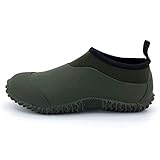
- A perfect shoe for gardening, lawn care, camping, walking the dog or anytime you want a durable, easy to slip off shoe.
- 100% waterproof top to bottom keep your feet comfortable and dry in rainy days.
- Rubber sole - lower profile provides excellent stability on uneven terrain.

- 100% waterproof rubber top to bottom helps your feet stay dry in wet conditions
- Breathable and stretchy lining improves range of motion as well as for long-lasting dry comfort, and the stretchy yet snug topline helps to keep out debris
- Slip-resistant, lower profile outsole provides excellent stability on uneven terrain; Molded EVA insole for additional arch support; Reinforced toe cap offers additional protection

- 100% waterproof stretch rubber upper
- Ankle-high shaft
- Slip-on style with wide topline opening for hands-free entry and a heel kick for easy off
Choosing Your Mud-Proof Footwear: A Tough Mudder Buying Guide
Tough Mudder events test your limits. You crawl through mud, climb walls, and swim through water. Your shoes are one of your most important pieces of gear. The right pair keeps you safe, comfortable, and fast. The wrong pair can cause blisters or even make you quit. Follow this guide to find your perfect mud-running partner.
Key Features to Look For
When shopping for Tough Mudder shoes, focus on three main things: grip, drainage, and protection.
1. Superior Grip (Traction)
The ground during Tough Mudder is slippery mud, wet rocks, and slick wood. You need shoes with deep, aggressive lugs on the outsole. Lugs are the rubber bumps on the bottom of the shoe. Deeper lugs dig into the mud, giving you better traction. Think of it like a tractor tire versus a car tire.
2. Excellent Drainage
Your shoes will get completely soaked. Good shoes let water escape quickly. Look for shoes with mesh uppers or drainage ports near the sole. If water stays trapped, your shoes get heavy, and your feet get waterlogged, leading to painful blisters.
3. Protective Upper Material
You will encounter sharp rocks, roots, and debris. The upper part of the shoe needs to be tough. Look for durable synthetic materials that resist tearing. A reinforced toe cap is also a huge plus. This shields your toes when you kick obstacles or roots.
Important Materials Matter
The materials determine how long your shoes last and how they perform when wet.
- Outsole Rubber: Stick to sticky, high-traction rubber compounds. Softer rubber usually grips better on wet surfaces than hard plastic.
- Midsole Cushioning: You need some cushioning for running, but too much foam soaks up water and becomes heavy. Look for low-profile midsoles. They offer support without holding excess water.
- Upper Mesh: Durable, tightly woven synthetic mesh is best. Avoid cotton or heavy fabrics. They absorb water like a sponge.
Factors That Improve or Reduce Shoe Quality
A shoe’s design heavily influences its performance in an obstacle course race (OCR).
Quality Boosters:
- Secure Lacing System: Laces must stay tied. Many racers prefer bungee or quick-lace systems that lock down tight.
- Rock Plate: Some specialized trail shoes include a thin, flexible plate in the sole. This stops sharp objects from poking through the bottom of your shoe.
- Minimal Weight: Lighter shoes mean less energy spent lifting wet, heavy footwear repeatedly.
Quality Reducers:
- Excess Padding: Too much ankle padding or thick tongue material traps water and adds weight.
- Deep Heel Pockets: If the back of the shoe cups your heel too deeply, mud can get stuck inside, causing friction and blisters.
- Smooth Outsoles: Any shoe with a road-running sole (flat or shallow treads) will fail immediately in the mud.
User Experience and Use Cases
These shoes are designed for one primary use case: obstacle course racing.
When you wear them, you should feel secure on uneven terrain. The experience should be one where you forget about your feet because they are gripping well and draining quickly. Racers often test their shoes by running through a local muddy park before race day. This ensures the shoes fit snugly even when wet. Never wear brand new, untested shoes for a Tough Mudder. Break them in first!
Tough Mudder Shoe Buying FAQs
Q: Should I wear my regular running shoes?
A: No, regular running shoes are usually a bad choice. They lack the deep lugs for mud grip and often soak up water, becoming very heavy and causing blisters.
Q: Are waterproof shoes a good idea?
A: Generally, avoid fully waterproof shoes. While they keep water out initially, once water gets over the top (which it will), it cannot drain out. This traps water inside, making them heavier and slower to dry.
Q: What is the best shoe drop (heel-to-toe difference)?
A: Most OCR athletes prefer a lower or zero-drop shoe. This means the heel and forefoot are nearly level. A lower drop keeps you closer to the ground, improving stability on uneven surfaces.
Q: How tight should my shoes be?
A: They must fit snugly, almost like a glove, but not painfully tight. Since your feet swell when running and you will have debris inside, you need a secure fit so the shoe does not slip off in thick mud.
Q: Do I need special socks?
A: Yes, wear synthetic or wool running socks. Never wear cotton socks. Cotton holds moisture against your skin, guaranteeing blisters.
Q: How much should I expect to spend?
A: Quality OCR-specific shoes usually cost between $100 and $150. This is an investment in your safety and performance.
Q: Can I use hiking boots instead?
A: Hiking boots offer protection but are usually too heavy and bulky for racing. They drain poorly and can cause ankle rolling if the ankle support is too stiff.
Q: What is the main purpose of the aggressive lugs?
A: The main purpose is traction. They bite into soft surfaces like mud, sand, and loose dirt, preventing slips and falls.
Q: How important is toe protection?
A: Very important. Obstacle courses involve climbing and kicking. A reinforced toe box prevents painful stubbing injuries from rocks or metal obstacles.
Q: Should I buy shoes specifically labeled “OCR”?
A: Yes. Shoes labeled for OCR or rugged trail running are designed with the exact balance of grip, drainage, and protection you need for events like Tough Mudder.

Hi, I’m Tom Scalisi, and welcome to The Saw Blog! I started this blog to share my hands-on experience and insights about woodworking tools—especially saws and saw blades. Over the years, I’ve had the chance to work with a wide range of tools, and I’m here to help both professionals and hobbyists make informed decisions when it comes to selecting and using their equipment. Whether you’re looking for in-depth reviews, tips, or just advice on how to get the best performance out of your tools, you’ll find it here. I’m excited to be part of your woodworking journey!