
Picture this: You’re carving down fresh powder, the crisp mountain air whipping past your face. That feeling is pure freedom! But that freedom comes with a responsibility – protecting your head. Are you sure your current ski helmet offers the best defense for those thrilling runs?
Choosing a men’s ski helmet can feel like navigating a blizzard. You worry about safety ratings, fit, weight, and whether it will even look good with your goggles. The market bombards you with jargon, leaving you unsure if you are choosing the safest or most comfortable option for your next adventure.
Don’t let confusion keep you from the slopes. This post cuts through the noise. We will break down what truly matters in a men’s ski helmet, from MIPS technology to ventilation systems. By the end, you will know exactly what features protect you best.
Ready to upgrade your safety without sacrificing style? Let’s dive into finding the perfect helmet that lets you shred with confidence!
Top Mens Ski Helmet Recommendations

- Comfortable Safety: Ski helmet built for both comfort and safety. Equipped with reinforced ABS shell & shock-absorbing EPS core
- Choose Between 22 Different Color Options: Sleek design available in 22 different color combinations for you to choose from. All in matte finish
- Adjustable Size: Size adjustment dial for a perfect fit. EASY TO WASH removable ear pads & inner fleece liner

- Comfortable Safety: Ski helmet built for both comfort and safety. Equipped with reinforced ABS shell & shock-absorbing EPS core
- Choose Between 22 Different Color Options: Sleek design available in 22 different color combinations for you to choose from. All in matte finish
- Adjustable Size: Size adjustment dial for a perfect fit. Easy to wash removable ear pads & inner fleece liner
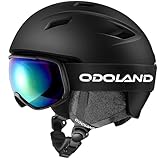
- ASTM Certified Ski Helmet & Goggles Set: Our ski helmet with detachable goggles is designed for anyone who loves snow sports. The set provides an ASTM certified helmet with shockproof shell and windproof design. Essential head protection for skiing and snowboarding.
- Comfortable & Warmth: Combining a PC outer shell and EPS inner shell to ensure comfort during use. With penetration resistant construction, the helmet and goggles stay securely in place.
- Durable & Anti-fog Designd: Odoland snow helmet is built with 14 air vent holes for great ventilation. Snowboard goggles with Flow-Tech venting design reduce fogging and optimize airflow inside the lens. Next-level ventilation keeps you comfortable for hours of skiing.
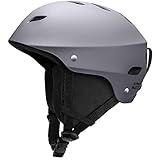
- Comfortable Safety: Ski helmet built for both comfort and safety. Equipped with reinforced ABS shell & shock-absorbing EPS core
- Choose Between 22 Different Color Options: Sleek design available in 22 different color combinations for you to choose from. All in matte finish
- Adjustable Size: Size adjustment dial for a perfect fit. Easy to wash removable ear pads & inner fleece liner

- Style-Advanced Protection: Odoland fashionable ski helmet isn't just about looks. Meeting safety standards, its shock-resistant PC shell and EPS foam fusion provide optimal impact protection. Ride with confidence in a snowboard helmet that defends your style as fiercely as it defends you.
- Slide-Adjust Ventilation: Our ski helmets feature a sliding adjuster to control open and closed the vents. Opening the vents allows for airflow, while closing them provides warmth. Eight vents allow fresh air to enter from the front and exit from the back, reducing goggle fogging and keeping you cool even while skiing.
- Custom, Comfortable Fit: A simple turn of the adjustable dial customizes the ski helmet to your head shape. No wobbles, no pressure points—just a secure fit that moves with you, whether you're carving or freestyling.

- BOA 360 FIT SYSTEM: A fully adjustable design is engineered to help deliver an exact fit
- FIXED VENTILATION: Allows hot air to escape from the top of the helmet
- FIDLOCK BUCKLE: Seamless magnetic functionality lets you fasten your helmet with gloves on

- First Choice for Ski Helmet: The impeccable fit of both the Kelvin II ski helmet and OutdoorMaster ski goggles ensures a seamless experience. Perfectly designed for winter enthusiasts, this helmet is a must-have for those who crave the thrill of skiing, skating, snowboarding, and more
- Premium Protection: Keep your head covered in this snow helmet as you carve the mountain on your skis or snowboard. Fully formed ABS outer shell with high quality EPS foam to ensure safety on impact
- Breathable Design: The Kelvin II ski helmet's 14 air vent holes work harmoniously to ensure effective ventilation, Purposefully designed ventilation apertures shield you from freezing winds
Choosing Your Perfect Men’s Ski Helmet: A Buyer’s Guide
Picking the right ski helmet keeps your head safe on the slopes. A good helmet protects you from bumps and keeps you warm. This guide helps you find the best fit and features for your skiing style.
Key Features to Look For
Several important features make a ski helmet great. Always check these before you buy.
Safety Certifications
- Look for labels like ASTM F2040 or CE EN 1077. These show the helmet passed important safety tests. A certified helmet offers better protection.
MIPS Technology
- MIPS stands for Multi-directional Impact Protection System. This special layer lets the helmet move slightly during a crash. This movement helps reduce twisting forces on your brain. It is a huge safety upgrade.
Ventilation System
- Good airflow stops your head from getting too sweaty or too cold. Look for adjustable vents. You can close them when it’s snowing hard or open them on a sunny spring day.
Goggle Compatibility
- Your helmet and goggles must fit together well. A gap between the two lets cold air in. Most modern helmets work well with matching brand goggles, but check reviews to be sure.
Important Materials and Construction
The materials used decide how strong and light your helmet will be.
Outer Shell Types
- In-Mold Construction: This process fuses the outer plastic shell to the inner foam. It makes the helmet very light and strong. It is common in high-quality helmets.
- Hard Shell (ABS): This uses a tough plastic shell glued onto the foam. These are often more durable against dings and sometimes cheaper.
Liner Materials
- The foam liner is usually EPS (Expanded Polystyrene). This foam crushes during an impact to absorb the shock. Higher-end helmets might use multi-density foam for better protection across different impact levels.
Factors That Improve or Reduce Quality
Small details often separate a good helmet from a great one.
Fit and Adjustment Systems
- A helmet that doesn’t fit right isn’t safe. Look for dial-based adjustment systems (like BOA). These let you fine-tune the fit quickly, even while wearing gloves. A snug but comfortable fit is essential.
Weight
- Lighter helmets feel better during long days. In-mold construction usually leads to lighter helmets. Heavy helmets can cause neck strain.
Liner Comfort and Removability
- The padding inside should feel soft. You should be able to remove the liner and wash it. This keeps your helmet smelling fresh.
Durability Reducers
- Dropping your helmet significantly reduces its safety, even if you see no visible damage. Also, storing it in hot places (like a car trunk in the sun) can break down the foam over time.
User Experience and Use Cases
Think about how and when you ski. This helps narrow down your choice.
For the Park Rider
- Park riders need maximum durability against repeated, smaller impacts. Hard Shell construction is sometimes preferred here. They also need excellent ventilation for high exertion.
For the Backcountry Explorer
- Weight is critical for uphill climbs. Look for very light in-mold helmets with excellent, easy-to-use adjustable venting.
For the Casual Resort Skier
- Comfort and good all-around safety are the main goals. A helmet with good ear pads and a smooth fit for goggles works perfectly.
10 Frequently Asked Questions (FAQ) About Men’s Ski Helmets
Q: How often should I replace my ski helmet?
A: You must replace your ski helmet after any major impact, even if it looks okay. Generally, helmets should be replaced every five to seven years because the materials break down over time.
Q: Should my ski helmet be tight?
A: Yes, it needs to be snug. It should not wobble when you shake your head. However, it should not cause painful pressure points. Use the adjustment dial for a perfect fit.
Q: Do I need MIPS technology?
A: While not mandatory, MIPS adds a significant layer of protection against rotational injuries. Most experts highly recommend choosing a helmet with MIPS.
Q: Can I wear a beanie under my ski helmet?
A: You can wear a very thin liner or balaclava. If you wear a thick beanie, the helmet might fit too loosely, which makes it unsafe. Most modern helmets have warm liners built in.
Q: How important is the weight of the helmet?
A: Weight is very important for comfort. Lighter helmets reduce fatigue on your neck, especially if you ski all day or carry the helmet often.
Q: What is the difference between In-Mold and Hard Shell helmets?
A: In-Mold helmets are lighter because the foam and shell are fused together. Hard Shell helmets have a separate, tougher outer layer, which can make them slightly more resistant to surface damage.
Q: How do I clean the inside of my helmet?
A: Remove the pads if possible and wash them gently by hand using mild soap and water. Let them air dry completely before putting them back in the helmet.
Q: Can I attach an action camera to any ski helmet?
A: Not all helmets are designed for camera mounts. Some brands sell specific adhesive mounts that work best with their shell shapes. Check the manufacturer’s guidelines before sticking anything on.
Q: Are expensive helmets always safer?
A: Not necessarily. Safety is mostly guaranteed by passing the required certifications (like ASTM). More expensive helmets often offer better comfort, lighter weight, and superior ventilation systems, not just better basic safety.
Q: Do I need different helmets for skiing and snowboarding?
A: No. The safety standards and protection needed are the same for both skiing and snowboarding. You can use the same certified helmet for either sport.

Hi, I’m Tom Scalisi, and welcome to The Saw Blog! I started this blog to share my hands-on experience and insights about woodworking tools—especially saws and saw blades. Over the years, I’ve had the chance to work with a wide range of tools, and I’m here to help both professionals and hobbyists make informed decisions when it comes to selecting and using their equipment. Whether you’re looking for in-depth reviews, tips, or just advice on how to get the best performance out of your tools, you’ll find it here. I’m excited to be part of your woodworking journey!