
As an Amazon Associate I earn from qualifying purchases.
Finding a capable laptop under 300 is tough but not impossible. You need something reliable for work, study, or light entertainment without breaking the bank.
What matters most is balance: decent performance, enough storage, and a display that won’t strain your eyes. Battery life and portability are bonuses if you’re always on the move.
These picks were selected for their value, covering different needs—from business use to casual browsing. Each stands out in its own way, whether through power, portability, or features.
Our Top 5 Laptops Under 300 Picks at a Glance
| Product | ||
|---|---|---|
 |
Dell 15.6 Laptop Intel Core 3 100U Everyday productivity |
Check Price |
 |
HP 2027 Everyday Laptop Intel N150 Budget-friendly multitasking |
Check Price |
 |
Dell Latitude 5420 Business Laptop Business use |
Check Price |
 |
HP 14 Laptop Intel N150 Portable daily use |
Check Price |
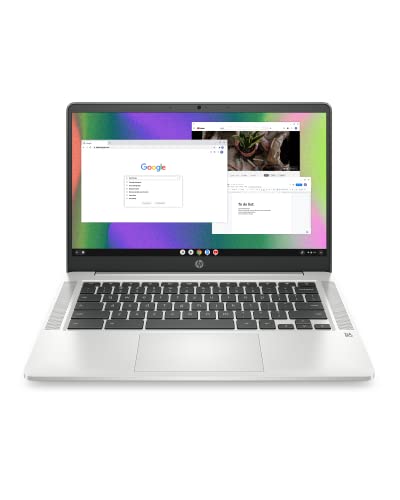 |
HP Chromebook 14 Intel Celeron N4120 School and light tasks |
Check Price |
Top 5 Laptops Under 300: Detailed Reviews
1. Dell 15.6 Laptop Intel Core 3 100U
The Dell 15.6 Laptop with Intel Core 3 100U pairs 8GB RAM and a 512GB SSD for smooth multitasking and fast storage access, ideal for work and study. The FHD anti-glare display reduces eye strain, while Wi-Fi 6 ensures stable connectivity. Features like Express Charge and ComfortView software extend battery life and comfort during long sessions, and the numeric keypad speeds up data entry.
What We Like:
- Strong performance with 8GB RAM and 512GB SSD for everyday tasks
- FHD anti-glare display reduces eye strain during extended use
- Wi-Fi 6 provides reliable and fast wireless connectivity
- Express Charge and energy-efficient battery extend usage time
- Numeric keypad and ergonomic design improve productivity
What Could Be Improved:
- Intel UHD Graphics limits heavy graphical workloads
- Plastic build may feel less premium than metal alternatives
This Dell 15.6 Laptop suits students and professionals needing a dependable machine for productivity. Skip it if you require high-end graphics or a more rugged build.
2. HP 2027 Everyday Laptop Intel N150
The HP 2027 Everyday Laptop is a budget-friendly option for light work and study, powered by an Intel N150 quad-core processor that handles everyday tasks like web browsing and document editing with ease. With 4GB of LPDDR5 RAM and 128GB UFS storage, it boots quickly and keeps basic multitasking smooth. Copilot AI and Office 365 come pre-installed, adding productivity tools out of the box, while Wi-Fi 6 and a 720p HD camera ensure reliable connectivity for calls. Its slim, 3.24 lb design makes it easy to carry, and the Honey Lavender finish adds a touch of style.
What We Like:
- Copilot AI and Office 365 are included, saving you the cost of separate subscriptions
- Wi-Fi 6 and Bluetooth 5.4 provide fast, stable wireless connections
- Lightweight and slim design at 3.24 lbs for easy portability
- Fast charge and long battery life keep you working without frequent plug-ins
- USB-C, HDMI, and multiple USB-A ports offer versatile connectivity
What Could Be Improved:
- 4GB RAM limits heavy multitasking or demanding applications
- 128GB storage may fill up quickly if you store large files locally
This is a solid pick if you need a Laptops Under 300 for basic tasks, schoolwork, or light productivity with built-in software. Skip it if you require more power for intensive multitasking or large file storage.
3. Dell Latitude 5420 Business Laptop
The Dell Latitude 5420 is a business-focused laptop with a 14-inch FHD display, running Windows 11 Pro. Its Intel Quad-Core i5-1145G7 processor handles demanding tasks smoothly, while 16GB of RAM ensures effortless multitasking. The 256GB SSD provides fast storage for quick access to files and applications, making it ideal for professionals who need reliability and performance in a compact form.
What We Like:
- Fast Intel Quad-Core i5 processor for smooth performance
- 16GB RAM allows seamless multitasking
- 256GB SSD offers quick boot and load times
- Windows 11 Pro includes advanced security and management features
- Compact 14-inch design for portability
What Could Be Improved:
- Storage may be limited for users with large files
- No dedicated GPU for graphics-intensive tasks
This is a solid choice for professionals needing a reliable, portable work laptop. Skip it if you require heavy storage or high-end graphics for creative work.
4. HP 14 Laptop Intel N150
The HP 14 inch Laptop is a lightweight pick for daily tasks, running on an Intel N150 processor that handles basic productivity and light multitasking. Its micro-edge HD display offers a near-bezel-less view, useful for work or streaming, while 4GB RAM and 128GB UFS storage keep files and apps running smoothly. Windows 11 Home and a 1-year Microsoft 365 subscription add value for students or professionals needing office tools out of the box.
What We Like:
- Near-bezel-less HD display improves focus and screen real estate
- Intel N150 processor manages everyday tasks without lag
- 128GB UFS storage is faster and more power-efficient than traditional HDDs
- Includes a full year of Microsoft 365 for productivity software
- Lightweight design makes it easy to carry
What Could Be Improved:
- 4GB RAM limits heavy multitasking or demanding apps
- Intel Graphics are basic and not suited for gaming or high-end creative work
This is a solid choice if you need a portable, budget-friendly laptop for work or study and want Microsoft 365 included. Skip it if you need more power for complex tasks or gaming.
5. HP Chromebook 14 Intel Celeron N4120
The HP Chromebook 14 is a lightweight laptop designed for school and light tasks, running Chrome OS for simplicity and speed. Its 14-inch HD display with anti-glare coating reduces eye strain, while the Intel Celeron N4120 processor and 4GB RAM handle basic multitasking. Long battery life of up to 14 hours means you can work or stream all day without hunting for an outlet.
What We Like:
- Chrome OS boots quickly and stays secure with automatic updates
- Thin and portable design fits easily in a backpack
- Up to 14 hours of battery life outlasts a full school or workday
- 4K-ready Intel UHD Graphics 600 supports smooth streaming
- HP Fast Charge gets you to 50% in about 45 minutes
What Could Be Improved:
- 4GB RAM and 64GB eMMC storage limit heavy multitasking and local file storage
- HD display resolution is modest for media or detailed work
This is a solid pick if you need a simple, portable laptop for web-based work or study. Skip it if you require Windows apps or need to store large files locally.
What to Look for in a Laptop Under 300
Start with the processor. For Laptops Under 300, you’ll mostly see Intel Celeron or Pentium chips. These handle web browsing, documents, and light multitasking, but struggle with heavy apps or dozens of open tabs. If you need smoother performance, prioritize models with at least 4GB of RAM to avoid slowdowns during basic work.
Build and portability
Plastic builds are common at this price, but check for sturdy hinges and a keyboard that doesn’t flex. If you carry your laptop often, aim for a 14-inch model under 3.5 pounds. Larger 15.6-inch screens offer more workspace but add bulk.
Storage and battery life
eMMC storage is typical here—slower than SSD but sufficient for files and light apps. 64GB is the minimum for Windows, while Chromebooks often manage with 32GB. Battery life varies; expect 6-8 hours for Windows laptops and up to 10 for Chromebooks under light use.
Operating system
Windows gives you full software access but demands more resources. Chromebooks run ChromeOS, which is faster on low-end hardware but limits you to web apps and Android apps. Pick based on whether you need specific programs or just a simple, secure setup.
Which Laptop Under 300 Is Right for You
The Dell 15.6 Laptop with Intel Core 3 100U is the best overall pick for its balance of performance and screen size. If portability matters more, the HP 14 Laptop with Intel N150 is the best alternative, offering similar power in a lighter frame.

Hi, I’m Tom Scalisi, and welcome to The Saw Blog! I started this blog to share my hands-on experience and insights about woodworking tools—especially saws and saw blades. Over the years, I’ve had the chance to work with a wide range of tools, and I’m here to help both professionals and hobbyists make informed decisions when it comes to selecting and using their equipment. Whether you’re looking for in-depth reviews, tips, or just advice on how to get the best performance out of your tools, you’ll find it here. I’m excited to be part of your woodworking journey!