
Does your furry friend’s tail still wag with excitement at mealtime, even though they’re entering their golden years? As our beloved dogs age, their bodies change, and so do their nutritional needs. It can feel overwhelming trying to pick the perfect food from a sea of options, each promising to be the best for senior pups. You want to ensure they get the nutrients they need to stay healthy and happy, but the sheer variety can leave you feeling confused and a little worried.
Choosing the right food for an older dog isn’t just about filling their bowl; it’s about supporting their joints, managing their energy levels, and boosting their immune system. Many owners struggle with understanding what specific ingredients are beneficial and which to avoid as their dog’s metabolism slows down. This can lead to concerns about weight gain, digestive issues, or even worsening age-related conditions.
But don’t worry! This post is here to guide you. We’ll break down what makes senior dog food different and what to look for on those confusing labels. By the end, you’ll feel confident in selecting a food that truly nourishes your aging companion, helping them enjoy their twilight years with vitality and comfort. Let’s dive into how to make mealtime a healthy and happy experience for your wise old dog.
Top Food For Old Dogs Recommendations

- REAL CHICKEN FIRST: Blue Buffalo senior dry dog food starts with real chicken as the first ingredient to help support strong, healthy muscles in older dogs
- COMPLETE NUTRITION: This BLUE dog food provides balanced daily nutrition for senior dogs with chicken for protein, wholesome carbohydrates for energy, and other natural ingredients
- EXPERT-LED NUTRITION: Designed to help your pet thrive from the inside out, Blue Buffalo dog food formulas are developed by a dedicated team of veterinarians and animal nutritionists

- Veterinarians Recommend IAMS: This IAMS Senior Dog Food Recipe is made with real chicken as the #1 ingredient and contains no fillers or artificial flavors; ingredients are natural as defined by the Association of American Feed Control Officials (AAFCO)
- Mental & Visual Sharpness: This IAMS dog food for senior dogs contains DHA Gold to promote mental and visual sharpness in aging dogs
- Supports Vital Organs: IAMS Proactive Health Healthy Aging Senior Dog Food supports vital organs with essential nutrients and an antioxidant blend to help reduce oxidative stress

- Purina dog food for senior dogs with MCT-rich vegetable oil to nourish and promote mental sharpness and shows an increased average activity level of over 20 percent in dogs seven and older
- Dry high protein dog food starts with real chicken as the number 1 ingredient and supports strong muscles, including a healthy heart
- Features omega-6 fatty acids, vitamins and minerals to support his shiny coat and healthy skin, plus natural sources of glucosamine for dogs to promote joint health

- The Proactive 5 health benefits for IAMS Healthy Aging are scientifically designed to support five key areas of your dog’s health, keeping them full of life, for more life
- Mental & Visual Sharpness: This IAMS dog food contains DHA Gold to promote mental and visual sharpness
- Supports Vital Organs: IAMS Proactive Health Healthy Aging Dry Dog Food, a senior dog food, is made with balanced nutrients, including minerals, to support healthy vital organs

- REAL CHICKEN FIRST: Blue Buffalo senior dry dog food starts with real chicken as the first ingredient to help support strong, healthy muscles in older dogs
- COMPLETE NUTRITION: This BLUE dog food provides balanced daily nutrition for small breed senior dogs with chicken for protein, wholesome carbohydrates for energy, and other natural ingredients
- EXPERT-LED NUTRITION: Designed to help your pet thrive from the inside out, Blue Buffalo dog food formulas are developed by a dedicated team of veterinarians and animal nutritionists

- Healthy heart, kidneys, and bladder supported by antioxidants and balanced minerals
- Lean muscles supported with high-quality protein
- Made with natural ingredients
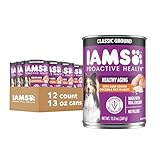
- Complete and Balanced for Senior Dogs: This senior canned dog food is a complete and balanced meal for senior dogs that is made with real chicken as the first ingredient and is formulated to be lower in fat, higher in protein, and full of fiber
- Bone and Joint Health: This IAMS dog food wet pack includes essential minerals like calcium, and natural sources of glucosamine and chondroitin for bone and joint health
- Mental and Visual Sharpness: This IAMS canned dog food recipe is made with DHA Gold for mental and visual sharpness in aging dogs
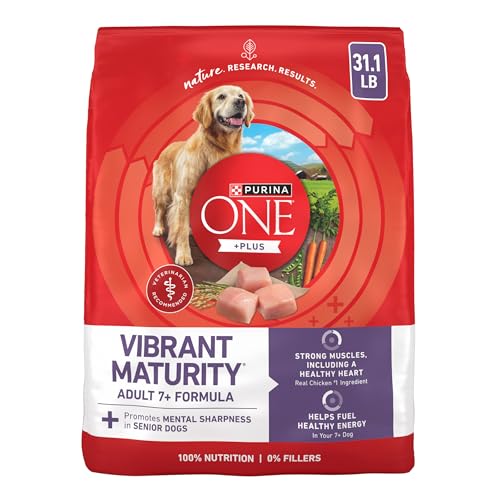
- Purina dog food for senior dogs with MCT-rich vegetable oil to nourish and promote mental sharpness and shows an increased average activity level of over 20 percent in dogs seven and older
- Dry high protein dog food starts with real chicken as the number 1 ingredient and supports strong muscles, including a healthy heart
- Features omega-6 fatty acids, vitamins and minerals to support his shiny coat and healthy skin, plus natural sources of glucosamine for dogs to promote joint health
Choosing the Best Food for Your Senior Canine Companion
As our furry friends age, their dietary needs change. Just like us, older dogs often require special food to keep them healthy and happy in their golden years. This guide will help you pick the perfect food for your old dog.
Key Features to Look For
When you shop for dog food, keep these important features in mind.
1. Joint Support Ingredients
- Look for foods with glucosamine and chondroitin.
- These ingredients help keep your dog’s joints healthy and reduce stiffness.
- They are especially important for older dogs who might have arthritis.
2. Easily Digestible Proteins
- Senior dogs can have a harder time digesting food.
- Choose foods with high-quality, easily digestible protein sources like chicken, lamb, or fish.
- Avoid foods with a lot of fillers or by-products.
3. Controlled Calories and Fat
- Older dogs tend to be less active.
- This means they need fewer calories to prevent weight gain.
- Look for foods formulated for senior dogs, which usually have fewer calories and fat.
- Obesity can cause many health problems for dogs.
4. Added Vitamins and Minerals
- Senior dogs benefit from extra nutrients.
- Look for foods with antioxidants, like vitamins E and C.
- These help fight cell damage and boost the immune system.
- Omega-3 fatty acids, found in fish oil, are also great for skin, coat, and brain health.
Important Materials
The ingredients list tells you what’s in the food.
1. Protein Sources
- Chicken, turkey, lamb, and fish are excellent choices.
- These provide essential amino acids for muscle maintenance.
- Always check that a named meat source is one of the first ingredients.
2. Carbohydrates
- Whole grains like brown rice, oats, and barley offer fiber.
- Fiber aids digestion and helps keep your dog’s digestive system running smoothly.
- Sweet potatoes and peas are also good carbohydrate sources.
3. Fats
- Healthy fats come from sources like fish oil, chicken fat, and flaxseed.
- These provide energy and help absorb vitamins.
- They are also crucial for healthy skin and a shiny coat.
Factors That Improve or Reduce Quality
Some things make dog food better, while others make it worse.
Improving Quality
- High-quality, whole food ingredients are key.
- Foods that are free from artificial colors, flavors, and preservatives are better.
- Brands that conduct scientific research and have veterinary nutritionists on staff often produce higher-quality food.
Reducing Quality
- Excessive use of fillers like corn, wheat, and soy can lower food quality.
- Generic meat by-products are not as nutritious as named meat sources.
- Artificial ingredients can be harmful and offer no nutritional benefit.
User Experience and Use Cases
Think about how your dog eats and what their specific needs are.
1. Palatability
- Older dogs can sometimes have a reduced sense of smell or taste.
- The food should be appealing to them.
- Many senior formulas have enhanced flavors to encourage eating.
2. Dental Issues
- Some senior dogs have dental problems.
- Softer kibble or wet food can be easier for them to chew.
- You can also add warm water to dry kibble to soften it.
3. Health Conditions
- If your dog has specific health issues like kidney disease or diabetes, consult your veterinarian.
- They can recommend prescription diets or foods tailored to manage these conditions.
- Your vet is your best resource for personalized advice.
Frequently Asked Questions About Food for Old Dogs
Q: What is the most important thing to look for in senior dog food?
A: The most important things are easily digestible proteins and joint support ingredients like glucosamine and chondroitin.
Q: Should I switch my dog to senior food automatically when they turn seven?
A: Not necessarily. Talk to your veterinarian. They can assess your dog’s health and recommend the best time to switch.
Q: Can I feed my senior dog the same food as my younger dog?
A: It’s generally not recommended. Senior dogs have different nutritional needs than younger dogs.
Q: What are some signs my dog might need a different food?
A: Signs include weight changes, decreased energy, digestive upset, or mobility issues.
Q: How much should I feed my senior dog?
A: Follow the feeding guidelines on the food packaging, but adjust based on your dog’s activity level and weight. Your vet can help you determine the right amount.
Q: Is wet food better than dry food for senior dogs?
A: It depends on your dog’s needs. Wet food is more palatable and has higher moisture content, which is good for hydration. Dry food is often more cost-effective and better for dental health.
Q: What if my senior dog has a sensitive stomach?
A: Look for foods with limited ingredients or those specifically formulated for sensitive stomachs. Probiotics can also help.
Q: Should I worry about the carbohydrate content in senior dog food?
A: Carbohydrates provide energy and fiber. Focus on whole grains and vegetables rather than fillers.
Q: How do I transition my dog to a new food?
A: Gradually mix the new food with the old food over 7-10 days. Start with a small amount of new food and slowly increase it.
Q: What are the benefits of omega-3 fatty acids for senior dogs?
A: Omega-3s support healthy skin and coat, reduce inflammation in joints, and can benefit brain health.

Hi, I’m Tom Scalisi, and welcome to The Saw Blog! I started this blog to share my hands-on experience and insights about woodworking tools—especially saws and saw blades. Over the years, I’ve had the chance to work with a wide range of tools, and I’m here to help both professionals and hobbyists make informed decisions when it comes to selecting and using their equipment. Whether you’re looking for in-depth reviews, tips, or just advice on how to get the best performance out of your tools, you’ll find it here. I’m excited to be part of your woodworking journey!