
As an Amazon Associate I earn from qualifying purchases.
Choosing Engine Oil For Car use starts with your vehicle’s requirements, not the most impressive label. Mileage, viscosity, engine condition, and whether the car is European all affect which formula makes sense.
High-mileage engines may benefit from seal conditioners and extra sludge protection, while newer engines may need a specific low-viscosity full synthetic. Deposit cleaning and cold-start performance also matter for some drivers.
These five picks were selected from the listed features to cover high-mileage protection, full synthetic performance, deposit removal, low-viscosity oil, and European vehicle requirements. The guide explains what each oil does best and where its limitations lie.
Our Top 5 Engine Oil For Car Picks at a Glance
| Product | ||
|---|---|---|
 |
Valvoline Restore & Protect Full Synthetic 5W-30 Removing engine deposits |
Check Price |
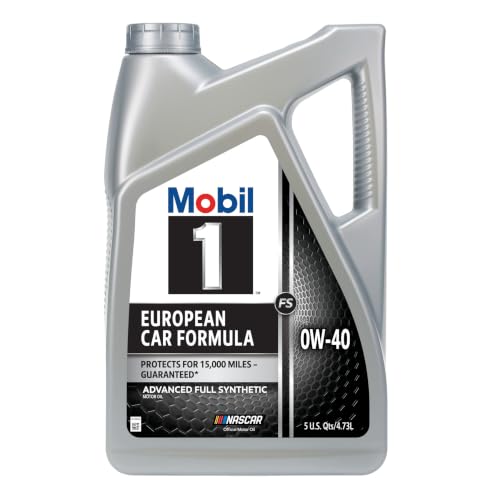 |
Mobil 1 FS European Car Formula 0W-40 European vehicles |
Check Price |
 |
Valvoline Advanced Full Synthetic 0W-20 Low-viscosity engine requirements |
Check Price |
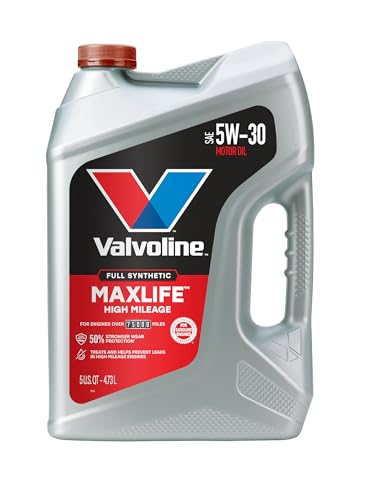 |
Valvoline MaxLife Full Synthetic 5W-30 High-mileage 5W-30 engines |
Check Price |
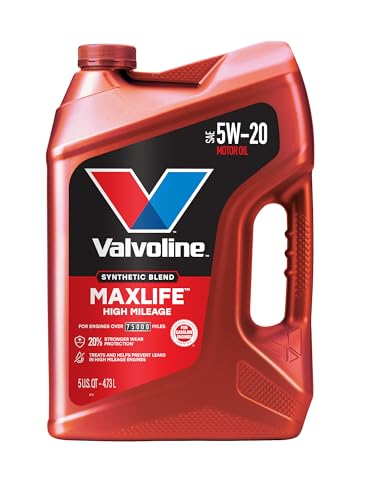 |
Valvoline MaxLife Synthetic Blend 5W-20 High-mileage 5W-20 engines |
Check Price |
Top 5 Engine Oil For Car Options: Detailed Reviews
1. Valvoline Restore & Protect Full Synthetic 5W-30
Engine Oil For Car buyers targeting piston deposits should consider Valvoline Restore & Protect Full Synthetic 5W-30. Its Active Clean Technology is designed to remove hidden piston deposits that can reduce fuel economy and horsepower, with up to 100% removal claimed over four consecutive oil changes. Liqui-Shield helps defend against future buildup during regular use, while the full-synthetic formula provides 79% stronger anti-wear protection than GF-6-qualified oil. It meets API SQ and ILSAC GF-7A requirements, but you still need to confirm that 5W-30 matches your vehicle’s specified viscosity.
What We Like:
- Targets piston deposits that may affect fuel economy and horsepower.
- Provides claimed anti-wear protection that is 79% stronger than GF-6-qualified oil.
- Liqui-Shield helps limit future deposit buildup with continued use.
- Suitable for new and high-mileage gasoline vehicles when 5W-30 is specified.
- Meets current API SQ and ILSAC GF-7A requirements.
What Could Be Improved:
- Deposit removal is presented over four consecutive oil changes, so the cleaning benefit is not immediate.
- Its 5W-30 viscosity may not suit engines that require 0W-20, 5W-20, or another grade.
- The strongest deposit-defense benefits depend on continued use rather than a single oil change.
Buy it if your gasoline engine specifies 5W-30 and you want an oil focused on piston-deposit removal alongside strong anti-wear protection. It also makes sense for owners planning consistent oil changes over time. Skip it if your manual calls for another viscosity or if you expect one change to restore heavily deposited pistons.
2. Mobil 1 FS European Car Formula 0W-40
If you need Engine Oil For Car protection in a European vehicle, Mobil 1 FS European Car Formula 0W-40 is a full-synthetic option designed for that use. Its excellent low-temperature performance helps oil reach engine components quickly during cold starts, while the stated turbocharger protection suits engines that use forced induction. The formula also targets reduced wear and deposits, helping support cleaner operation over time. It is OEM approved and offers protection for up to 15,000 miles, guaranteed**, making it a practical choice when your vehicle’s specifications call for 0W-40.
What We Like:
- Designed specifically for European vehicles.
- Excellent low-temperature performance supports quicker cold-start protection.
- Stated turbocharger protection suits compatible turbocharged engines.
- Helps reduce engine wear and deposits.
- OEM approved and protected for up to 15,000 miles, guaranteed**.
What Could Be Improved:
- The 0W-40 viscosity is unsuitable for engines that require a different grade.
- Its European-vehicle focus makes it less versatile for other applications.
- The 15,000-mile protection claim includes a guarantee notation, so you should check its terms.
Buy this if your European vehicle specifies full-synthetic 0W-40, particularly if it has a turbocharger or faces frequent cold starts. Its wear, deposit and cold-flow protections are useful in those conditions. Skip it if your owner’s manual calls for another viscosity or your vehicle is not compatible with European-focused formulations.
3. Valvoline Advanced Full Synthetic 0W-20
Valvoline Advanced Full Synthetic 0W-20 is an Engine Oil For Car owners whose vehicles require a low-viscosity lubricant. Its 0W-20 rating supports excellent cold-temperature flow, helping reduce metal-to-metal contact during starts. The formula also targets wear, heat, friction, and deposits, with claims of 40% stronger wear protection, 15% better deposit defense, and up to 2.5 times better heat protection than industry standards. It meets ILSAC GF-7A and several API categories, making it a practical choice for compatible gasoline engines.
What We Like:
- The 0W-20 viscosity supports easier oil flow during cold starts.
- Wear protection helps reduce friction and support engine life.
- Deposit defense helps keep the engine cleaner over time.
- Heat protection helps fight sludge formation and thermal breakdown.
- It meets current ILSAC GF-7A and API SQ requirements.
What Could Be Improved:
- It is unsuitable for vehicles that require a different viscosity.
- You must check your owner’s manual and required specifications before using it.
- The protection comparisons are against industry standards, not independent test results.
Buy it if your vehicle specifically calls for 0W-20 and you want protection against cold-start wear, heat, friction, and deposits. Skip it if your engine requires another viscosity or specification. Its broad gasoline-engine approvals help, but vehicle compatibility still comes first.
4. Valvoline MaxLife Full Synthetic 5W-30
Engine Oil For Car owners with 75,000 miles or more can use Valvoline MaxLife Full Synthetic 5W-30 to support an aging engine. Its seal conditioners help prevent leaks, reduce oil consumption, and potentially improve fuel economy, while the formula provides 50% stronger wear protection and 20% stronger sludge defense than industry standards. It also claims 2.5X better heat protection than industry standards, useful for demanding conditions. The 5W-30 viscosity suits vehicles requiring that grade, and the oil meets current ILSAC GF-7A and API SQ requirements.
What We Like:
- Seal conditioners target leak prevention and reduced oil consumption.
- The formula is designed specifically for engines with 75,000 miles or more.
- Stronger wear protection helps defend against friction and engine wear.
- Stronger sludge defense helps limit harmful buildup and deposits.
- It meets ILSAC GF-7A and API SQ requirements.
What Could Be Improved:
- It is only suitable for vehicles whose owner’s manual specifies 5W-30.
- The high-mileage formula may offer little specific benefit for a lower-mileage engine.
- The listed Ford specification is incomplete, so Ford owners should verify the full requirement before buying.
Buy it if you have a 75,000-plus-mile vehicle that calls for 5W-30 and you want seal conditioners alongside stronger wear and sludge defense. Skip it if your engine requires another viscosity, your vehicle is not high-mileage, or your manufacturer’s specification does not match the approvals listed.
5. Valvoline MaxLife Synthetic Blend 5W-20
Valvoline MaxLife High Mileage 5W-20 Synthetic Blend is an Engine Oil For Car owners with engines at 75,000 miles or more, including some new and rebuilt engines. Its seal conditioners help reduce oil leaks and oil consumption, while extra detergents target deposits, corrosion and friction. The formula also includes friction-fighting additives intended to support performance and fuel efficiency. Valvoline claims 20% better wear protection and 15% better sludge defense than industry standards, and it meets current ILSAC GF-7A and API SQ requirements, along with earlier gasoline categories.
What We Like:
- Seal conditioners can help aging engines manage leaks and oil consumption.
- Extra detergents help keep high-mileage engines cleaner.
- Friction-fighting additives support performance and fuel efficiency.
- The synthetic blend suits drivers who want high-mileage protection without choosing a full-synthetic formula.
- It meets current ILSAC GF-7A and API SQ gasoline-oil requirements.
What Could Be Improved:
- The 5W-20 viscosity is unsuitable for engines that require a different grade.
- It is a synthetic blend rather than a full synthetic, so it may not suit drivers specifically seeking full-synthetic oil.
- Seal conditioners help address leak and consumption concerns, but they cannot repair worn seals or other mechanical faults.
Buy it if your gasoline engine has 75,000 miles or more, requires 5W-20 oil, and you want detergents, seal-conditioning support and friction protection in a synthetic blend. Skip it if your owner’s manual specifies another viscosity, your vehicle needs diesel oil, or you specifically want a full-synthetic formula.
How To Choose Engine Oil For Your Car
Choosing the right Engine Oil For Car use starts with matching the oil to your vehicle’s requirements, not simply choosing the most familiar brand. Check your owner’s manual for the required viscosity and oil type, then consider whether your engine has a specific need such as deposit removal, low-viscosity oil, European-vehicle compatibility, or high-mileage support.
Match the viscosity
Viscosity is one of the most important details on the label. The numbers and letter in grades such as 0W-20, 5W-20, 5W-30, and 0W-40 identify the oil grade your engine is designed to use. Do not switch grades just because one appears more suitable for cold weather or heavier protection; use the grade specified for your vehicle unless the manufacturer allows alternatives.
Consider the engine’s specific need
Once you know the correct grade, look at the reason you are shopping. An engine with a deposit-related concern may call for an oil designed to remove engine deposits. A European vehicle may need a formula intended for that type of car, while a low-viscosity requirement points you toward the correct 0W-20 or similar grade.
Account for mileage
High-mileage engines deserve their own consideration. If your vehicle’s engine falls into that category, compare high-mileage formulas in the exact viscosity recommended for it. The options in this group include high-mileage 5W-30 and 5W-20 oils, so the right choice depends on your required grade rather than mileage alone.
Choose the oil type carefully
Full synthetic and synthetic blend oils are not interchangeable labels. First confirm which type your vehicle’s manual permits or recommends, then compare options within that category. A full synthetic oil may suit one shopping brief, while a synthetic blend may fit another; neither choice matters if the viscosity does not match your engine.
Finally, read the complete container label before buying. Confirm the viscosity, intended application, and any stated engine or vehicle focus, and keep your selection aligned with the maintenance guidance for your car.
Which Engine Oil For Car Use Should You Choose?
Valvoline Restore & Protect Full Synthetic 5W-30 is the best overall pick for car owners who want an oil focused on removing engine deposits. Mobil 1 FS European Car Formula 0W-40 is the best alternative when you own a European vehicle and need that specific formula. If your priorities differ, choose by required viscosity or engine condition: the Valvoline Advanced option targets low-viscosity requirements, while the MaxLife oils address high-mileage 5W-30 and 5W-20 engines.

Hi, I’m Tom Scalisi, and welcome to The Saw Blog! I started this blog to share my hands-on experience and insights about woodworking tools—especially saws and saw blades. Over the years, I’ve had the chance to work with a wide range of tools, and I’m here to help both professionals and hobbyists make informed decisions when it comes to selecting and using their equipment. Whether you’re looking for in-depth reviews, tips, or just advice on how to get the best performance out of your tools, you’ll find it here. I’m excited to be part of your woodworking journey!