
Imagine this: you’re lined up, ready to explode off the ball, but your feet feel like they’re stuck in mud. That’s what it feels like when you have the wrong cleats. For defensive linemen, your cleats are more than just shoes; they’re your foundation for power and speed. Choosing the right ones can make a huge difference in your game.
But finding those perfect cleats can be tough. There are so many brands and styles, and it’s hard to know which ones will give you the grip you need to push through the offensive line or the ankle support to stay strong. You want cleats that help you dominate, not hold you back. This can be a real headache for any player who takes their position seriously.
In this post, we’re going to break down exactly what makes a great cleat for a defensive lineman. We’ll look at what features matter most, what to avoid, and how to pick the pair that will help you make every tackle and win every battle in the trenches. Get ready to step up your game!
Top Cleats For D Lineman Recommendations

- Lightweight, durable upper with raised 3D print for added toe protection when battling in the trenches
- Textile collar for added comfort & breathability with a durable suede heel
- Full length Charged Cushioning midsole for superior underfoot comfort

- The user-friendly design also makes attaching rigging line a breeze
- Many of those who work on towers are now beginning to use the port-a-wrap as a cost-effective friction control device
- By simply attaching the port-a-wrap to the base of a tower, you can use it to safely lower loads (like a set of bells) from an elevated location
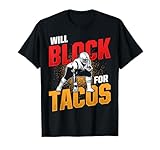
- Football Tacos Humor design. This Football Lineman Design with quote For Tacos is a perfect gift this football season for offensive, defensive player, D-Line, O-Line position on the field, lineman dad, brother, son, husband.
- Wear this Lineman Football design with your gloves, cleats, shoes. Cute as anniversary, birthday gift ideas from girlfriend, wife, daughter.
- Lightweight, Classic fit, Double-needle sleeve and bottom hem

- This Football Lineman Design with quote Hot is a perfect gift this football season for offensive, defensive player, D-Line, O-Line position on the field, lineman dad, brother, son, husband.
- Wear this Lineman Football design with your gloves, cleats, shoes. Cute as anniversary, birthday gift ideas from girlfriend, wife, daughter.
- Lightweight, Classic fit, Double-needle sleeve and bottom hem
Dominate the Line: Your Guide to Choosing the Best D-Lineman Cleats
Getting the right cleats is super important for any defensive lineman. You need to be strong, fast, and have great grip. These cleats help you push, pull, and make tackles. Let’s find the perfect pair for you!
Key Features to Look For
1. Cleat Pattern and Studs
This is one of the most important things. You need cleats that give you serious grip. Look for cleats with aggressive patterns. Many D-lineman cleats have metal or very strong plastic studs. These dig into the turf, so you don’t slip. Some cleats have a mix of stud types. This gives you grip for pushing and also for quick movements.
2. Ankle Support
You need to protect your ankles. Cleats with good ankle support help prevent twists and sprains. You’ll see cleats that are low-cut, mid-cut, and high-cut. Mid-cut or high-cut cleats usually offer more ankle support. This is great for powerful moves.
3. Cushioning and Comfort
You’re on your feet a lot. Good cushioning helps absorb shock. This means less tired feet and a more comfortable game. Look for cleats with padded insoles. This makes a big difference.
4. Durability
D-lineman cleats take a beating. They need to be tough. Look for cleats made from strong materials that can handle all the pushing and pulling. Reinforced areas in the toe and heel are a good sign of durability.
Important Materials
Upper Materials
The part of the cleat that covers your foot is the upper. Many uppers are made from synthetic leather or mesh. Synthetic leather is often strong and can handle wear and tear. Mesh is lighter and helps your feet breathe, keeping them cooler.
Sole Plate Materials
The sole plate is the bottom of the cleat where the studs are attached. These are usually made from strong plastic or a mix of plastic and carbon fiber. A good sole plate is stiff enough to give you power but also flexible enough for movement.
Factors That Improve or Reduce Quality
What Makes Cleats Better?
- Stronger Studs: Metal studs generally offer better grip than plastic ones, especially on softer fields.
- Reinforced Stitching: Extra stitching in high-wear areas makes the cleats last longer.
- Lightweight Design: While durability is key, lighter cleats help you move faster.
- Good Fit: A cleat that fits perfectly reduces blisters and improves performance.
What Can Make Cleats Worse?
- Cheap Materials: Using flimsy plastic or thin fabric makes cleats wear out quickly.
- Poor Stitching: Loose threads or weak seams will break apart.
- Lack of Grip: Cleats with smooth or poorly spaced studs will make you slip.
- Bad Fit: Cleats that are too tight or too loose can cause pain and injury.
User Experience and Use Cases
Who Uses These Cleats?
Defensive linemen use these cleats. This includes players like defensive tackles and defensive ends. These players need to get past offensive linemen, make tackles, and disrupt plays. The cleats are built for this kind of powerful, aggressive play.
When Do You Use Them?
You use these cleats during football games and practices. They are designed for the demands of the football field, whether it’s grass or artificial turf. The aggressive tread helps you push off the line and change direction quickly.
Frequently Asked Questions (FAQ)
Q: What kind of cleats do defensive linemen need?
A: Defensive linemen need cleats with excellent grip, good ankle support, and strong durability. They need cleats that help them push hard and stay stable.
Q: Are metal cleats better than plastic cleats for D-linemen?
A: Metal cleats often provide better grip, especially on wet or soft fields. However, some leagues have rules about metal cleats, and plastic cleats can be very good too.
Q: How important is ankle support for a D-lineman?
A: Ankle support is very important. It helps protect against injuries when you’re making quick moves or getting pushed around.
Q: Should I get low-cut, mid-cut, or high-cut cleats?
A: Mid-cut or high-cut cleats usually offer more ankle support, which is good for D-linemen. Low-cut cleats allow for more ankle flexibility.
Q: How do I know if cleats fit well?
A: Cleats should fit snugly but not be too tight. Your toes should have a little bit of space at the end, and your heel shouldn’t slip when you walk.
Q: Can I use D-lineman cleats for other positions?
A: While you can, D-lineman cleats are specifically designed for the strength and stability needed by those positions. Other positions might benefit from lighter, more agile cleats.
Q: How long do football cleats usually last?
A: With good care, quality cleats can last one or two full seasons. Heavy use and rough play can shorten their lifespan.
Q: What’s the best way to clean my cleats?
A: Remove excess dirt with a brush. You can use a damp cloth with mild soap to clean the upper. Let them air dry completely.
Q: Do I need different cleats for grass and turf?
A: Some cleats work well on both. However, cleats with shorter, more numerous studs are often better for artificial turf.
Q: Where is the best place to buy D-lineman cleats?
A: You can buy them at sporting goods stores or online retailers that specialize in athletic equipment.

Hi, I’m Tom Scalisi, and welcome to The Saw Blog! I started this blog to share my hands-on experience and insights about woodworking tools—especially saws and saw blades. Over the years, I’ve had the chance to work with a wide range of tools, and I’m here to help both professionals and hobbyists make informed decisions when it comes to selecting and using their equipment. Whether you’re looking for in-depth reviews, tips, or just advice on how to get the best performance out of your tools, you’ll find it here. I’m excited to be part of your woodworking journey!