
Ever feel lost staring at a wall of shiny axes, wondering which one will chop wood best? Choosing the right Camp Ax can feel like a big puzzle. You want an ax that feels good in your hand, splits logs without a fight, and lasts for years of adventures. It’s tough to know which features really matter and avoid buying one that just sits in your gear shed.
This guide cuts right to the chase. We break down everything you need to know about Camp Axes. You will learn about handle materials, head weight, and what makes an ax perfect for camping trips or backyard projects. Stop guessing and start knowing exactly what to look for.
Ready to find your perfect chopping partner? Let’s dive in and explore the world of Camp Axes!
Top Camp Ax Recommendations
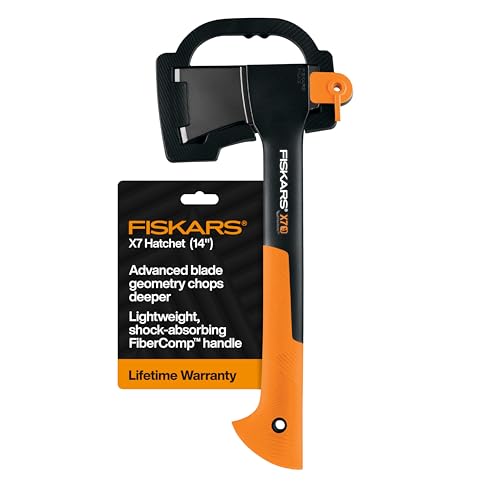
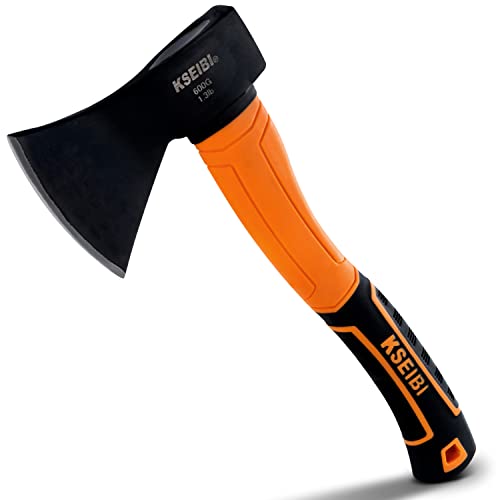
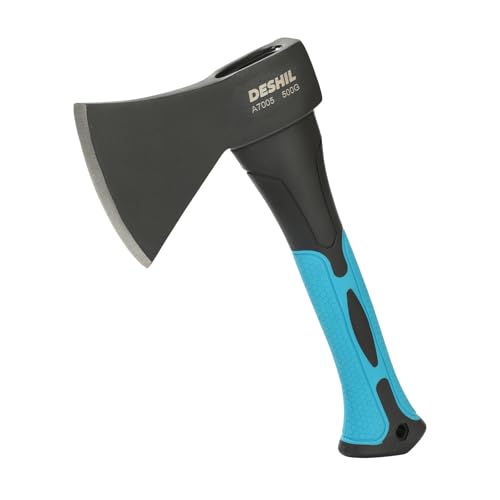
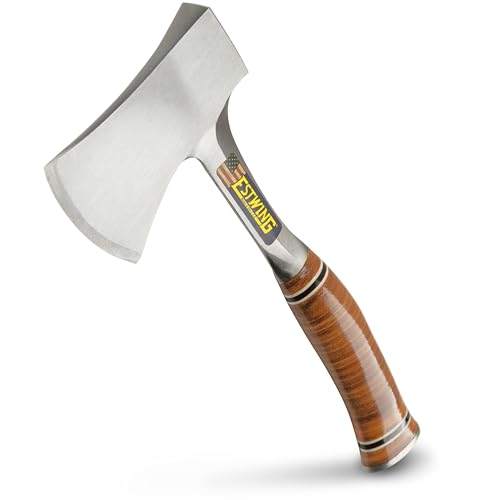
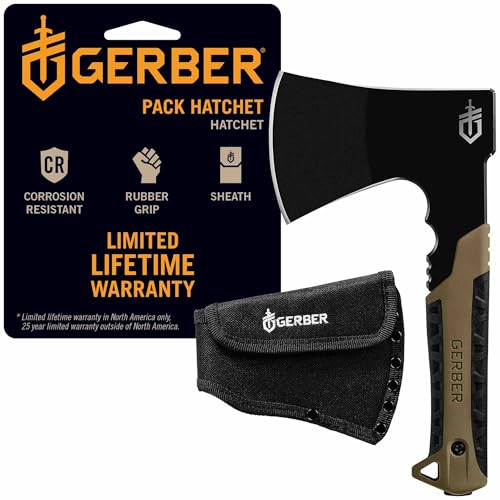
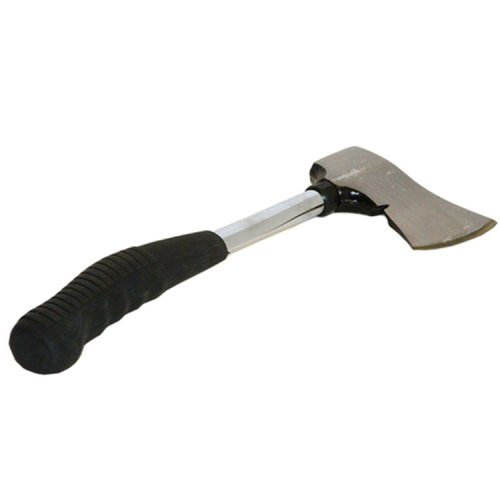


The Ultimate Buying Guide for Your Camp Ax
Choosing the right camp ax makes your outdoor adventures much easier and safer. A good ax is a trusty tool. It helps you split firewood, clear small brush, and even build shelters. This guide helps you pick the best one for your needs.
Key Features to Look For
When you shop for a camp ax, look closely at these important parts.
- **Head Weight:** The weight of the ax head matters. Lighter heads (under 2 lbs) are easier to swing for long periods. Heavier heads (2-3 lbs) deliver more chopping power for thick wood.
- **Handle Length:** Handle length affects your swing power and control. Shorter handles (12-16 inches) offer better precision for detailed work. Longer handles (18-24 inches) give you more leverage for splitting logs.
- **Edge Geometry:** Look at how the cutting edge is shaped. A thin, sharp edge cuts green wood easily. A thicker, more robust edge handles knotty, dry wood better without chipping.
- **Safety Features:** Some axes include a sheath or cover. This protects the sharp blade when you carry or store the ax.
Important Materials
The materials used determine how long your ax lasts and how well it performs.
Ax Head Material
Most quality camp ax heads are made from forged steel. Forged steel is strong and holds a sharp edge well. Cheaper axes might use cast steel, which is less durable and might break under heavy stress. Always choose forged if you plan on heavy use.
Handle Material
Handles usually come in two main types:
- **Hickory Wood:** This traditional material absorbs shock very well. It feels natural in your hand. Good hickory handles are straight-grained and strong.
- **Fiberglass or Composite:** These modern materials resist weather damage like rot or warping. They are very durable. However, they sometimes transfer more vibration to your hand when you strike wood.
Factors That Improve or Reduce Quality
The overall quality of your camp ax depends on how it is put together.
What Makes an Ax Better?
A high-quality ax will have a head that is securely attached to the handle. This connection is often secured with a wooden wedge and a metal ring (a ‘collar’). A tight fit means the head will not fly off during vigorous swinging. Well-balanced axes feel right in your hands; they do not feel too heavy at the head or too light in the handle.
What Reduces Quality?
Poorly finished edges reduce quality immediately. A dull or uneven edge requires much more effort to chop. If the handle has visible cracks or knots, the ax is likely to fail sooner. Cheaply painted heads might rust quickly if the paint chips away.
User Experience and Use Cases
Think about what you plan to do with your ax before buying it.
Light Use (Camping Fires)
If you only need to process small kindling or split restaurant-sized logs for a campfire, a smaller hatchet (under 1.5 lbs head) with a short handle works perfectly. These are easy to pack.
Medium Use (Backcountry Camping/Bushcraft)
For longer trips where you need to process larger amounts of wood for shelter building or sustained fires, choose a mid-sized camp ax (around 2 lbs head and a 16-20 inch handle). This size offers a good mix of power and portability.
Maintenance is Key
No matter which ax you buy, you must maintain it. Always keep the head dry to prevent rust. Sharpen the edge regularly with a whetstone. A well-maintained ax provides a great user experience every time.
10 Frequently Asked Questions (FAQ) About Camp Axes
Q: What is the difference between an ax and a hatchet?
A: A hatchet is simply a small ax, usually with a handle shorter than 16 inches and a lighter head. Axes are generally larger and heavier.
Q: How sharp should the edge of my camp ax be?
A: The edge needs to be sharp enough to bite into wood easily, but not so razor-thin that it chips when hitting hard knots.
Q: Can I use any ax to split wood?
A: Some axes, called splitting mauls, are designed specifically for splitting. Felling axes are better for cutting down trees. A general camp ax can handle light splitting tasks.
Q: How do I store my camp ax safely?
A: Always store your ax with the blade covered, ideally in a sturdy sheath. Keep it dry and hang it up, away from where people walk.
Q: Do I need to oil the steel head?
A: Yes, lightly oiling the steel head, especially after use in humid or wet conditions, prevents rust from forming.
Q: How long should the handle be for general camping?
A: A handle length between 16 and 18 inches usually provides the best balance of power and maneuverability for most campers.
Q: What is ‘bit’ on an ax?
A: The ‘bit’ is the sharp, cutting end of the ax head.
Q: Is a fiberglass handle as strong as wood?
A: Fiberglass handles are often stronger against impact and weather, but high-quality hickory wood often absorbs shock better.
Q: How often should I check the head tightness?
A: You should check the tightness of the head before every use. If it feels loose, you must re-wedge it before swinging.
Q: Can I use my camp ax to hammer stakes?
A: You can use the poll (the blunt back end of the head) carefully to tap small stakes. However, using it often may damage the poll over time.

Hi, I’m Tom Scalisi, and welcome to The Saw Blog! I started this blog to share my hands-on experience and insights about woodworking tools—especially saws and saw blades. Over the years, I’ve had the chance to work with a wide range of tools, and I’m here to help both professionals and hobbyists make informed decisions when it comes to selecting and using their equipment. Whether you’re looking for in-depth reviews, tips, or just advice on how to get the best performance out of your tools, you’ll find it here. I’m excited to be part of your woodworking journey!