
As an Amazon Associate I earn from qualifying purchases.
Finding Ski Trousers Womens options that keep you warm, dry, and comfortable can be harder than it sounds. You need enough insulation for cold lifts without losing freedom of movement on the slopes.
Fit matters just as much as weather protection. Tall and short inseams, adjustable waists, boot gaiters, bib coverage, fleece lining, and useful pockets all affect how well trousers work outdoors.
These picks were selected from their listed insulation, water and wind resistance, construction details, fit options, and snow-blocking features. The selection includes traditional ski pants, bibs, tall fits, a short bib option, and versatile winter trousers.
This guide explains what sets each pair apart and what to check before choosing your next women’s ski trousers.
Our Top 5 Ski Trousers Womens Picks at a Glance
| Product | ||
|---|---|---|
 |
Arctix Women’s Insulated Snow Pants Tall skiers needing serious warmth |
Check Price |
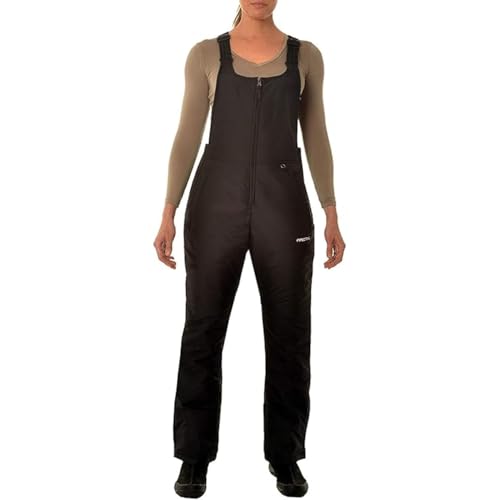 |
Arctix Women’s Short Insulated Ski Bibs Shorter skiers wanting bib coverage |
Check Price |
 |
Amazon Essentials Women’s Insulated Ski Bib Simple everyday bib protection |
Check Price |
 |
WULFUL Women’s Insulated Snow Bibs Adjustable waterproof bib coverage |
Check Price |
 |
YSENTO Women’s Fleece-Lined Snow Ski Pants Skiing, hiking, and winter work |
Check Price |
Top 5 Women’s Ski Trousers: Detailed Reviews
1. Arctix Women’s Insulated Snow Pants
Ski Trousers Womens shoppers who need extra leg length should consider these Arctix insulated snow pants. The 33-inch Tall inseam gives taller skiers a better fit, while 85g ThermaTech insulation provides low-bulk warmth rated from -20°F to 35°F depending on activity. The polyester dobby shell resists water and wind, and reinforced sealed seams add protection in poor weather. Boot gaiters help block snow, while boot zippers make them easier to pull over ski or snowboard boots. Reinforced 600-denier ankle, hem, and scuff-guard areas handle contact with boots, bindings, and icy ground.
What We Like:
- The 33-inch Tall inseam suits taller skiers better than the regular and short options.
- The 85g insulation adds warmth without a bulky feel.
- Reinforced 600-denier ankle and hem areas help resist wear from boots, edges, and icy surfaces.
- Boot gaiters help keep snow out around your boots.
- Boot zippers make changing over ski, snowboard, or snow boots easier.
What Could Be Improved:
- The shell is water resistant rather than fully waterproof, so prolonged wet conditions may exceed its protection.
- The Tall inseam is 33 inches, which may still be short for some especially tall skiers.
- The -20°F to 35°F warmth rating depends on your activity level, so less-active users may need additional layers in colder weather.
Buy these if you are a taller skier who wants lightweight insulation, useful boot coverage, and reinforced lower legs for regular slope use. Skip them if you need fully waterproof trousers, a much longer inseam, or highly specific cold-weather performance beyond the activity-dependent rating.
2. Arctix Women’s Short Insulated Ski Bibs
For Ski Trousers Womens shoppers who prefer bib coverage, these short Arctix insulated ski bibs combine a snow-sealing upper with practical warmth. The 85g ThermaTech insulation reduces bulk while providing a stated comfort range of -20°F to 35°F depending on activity. An 8000mm water-resistant rating, wind resistance and critical sealed seams help protect you from snow and wet weather. Fleece-lined hand-warmer pockets add comfort, while adjustable shoulder straps and a waist help refine the fit. Boot gaiters, reinforced 600-denier ankle areas and an O-ring improve slope-ready practicality.
What We Like:
- The short bib design helps seal out snow without the length of a full-height style.
- Fleece-lined zip pockets warm your hands and keep small items secure.
- Adjustable straps and waist make the fit easier to customise.
- Boot gaiters with grippers help create a closer seal around your boots.
- Reinforced ankle, hem and scuff areas resist everyday wear.
What Could Be Improved:
- The short design may not suit taller skiers seeking more leg or torso coverage.
- Its water-resistant construction is not described as fully waterproof, so prolonged heavy rain may exceed its protection.
- The 85g insulation may feel less warm during low-activity stops than heavier insulated bibs.
Buy these if you are a shorter skier who wants bib-style snow coverage, adjustable fit and warm hand pockets without excessive bulk. They also suit active winter outings where mobility matters. Skip them if you are tall, need maximum insulation while standing still, or require fully waterproof protection for sustained heavy precipitation.
3. Amazon Essentials Women’s Insulated Ski Bib
The Amazon Essentials Ski Trousers Womens bib offers a regular fit with insulation for cold-weather skiing and other winter activities. Its water-resistant polyamide canvas shell helps shed light moisture, while the stretch side gussets make bending and moving easier. Adjustable elastic straps help you secure the fit over layers, and the gaiter details help block snow and slush at the ankles. A zip front keeps entry straightforward. The listed US size Small has a 7 1/2-inch leg opening, 10 3/4-inch front rise, and 30 1/2-inch inseam.
What We Like:
- Insulation helps retain warmth on cold slope days.
- Stretch side gussets support easier movement while skiing.
- Adjustable elastic straps let you fine-tune the fit over layers.
- Gaiter details help keep snow and slush from reaching your legs.
- The regular fit balances comfort with a close waist and hip fit.
What Could Be Improved:
- The shell is water-resistant rather than waterproof, so it may be less suitable for prolonged wet conditions.
- The listed measurements apply to US size Small, so you should check sizing carefully before ordering.
- Insulation and bib coverage may feel warmer and less streamlined than uninsulated trousers.
Buy these bibs if you want straightforward insulated coverage, adjustable straps, and useful snow protection for everyday skiing or cold-weather outings. They suit you best if a regular fit works over your layers. Skip them if you need fully waterproof protection or prefer lightweight, low-profile ski trousers.
4. WULFUL Women’s Insulated Snow Bibs
The WULFUL Ski Trousers Womens bibs combine a durable polyester shell with insulated, windproof fabric for cold days on the slopes. A water-repellent coating and waterproof zipper help keep snow and rain out, while the adjustable suspenders and waist let you fine-tune the fit without restricting movement. The front zipper and boot buttons make changing easier, and the soft inner layer adds comfort during skiing, snowboarding, hiking, camping, or mountaineering. You can machine-wash them at low temperature or hand-wash them.
What We Like:
- Adjustable suspenders and waist help create a secure, flexible fit.
- Insulation and a soft inner layer provide useful warmth in cold weather.
- The water-resistant shell and waterproof zipper help keep you dry.
- Windproof fabric adds protection during exposed outdoor activities.
- Boot buttons and a front zipper make them easier to put on and remove.
What Could Be Improved:
- The bib design offers more coverage but may feel bulkier than standard ski trousers.
- The available pink colour and overall styling may not suit every wardrobe.
- They require low-temperature machine washing or hand washing, rather than a more casual wash routine.
Buy these if you want adjustable bib coverage for skiing, snowboarding, or other wet, windy winter activities. They also suit hikers and outdoor workers who value warmth and protection. Skip them if you prefer lightweight trousers, a lower-profile fit, or the quicker simplicity of standard waist-fastened ski pants.
5. YSENTO Women’s Fleece-Lined Snow Ski Pants
Ski Trousers Womens shoppers who want one pair for slopes and everyday winter use should consider the YSENTO Women’s Fleece-Lined Snow Ski Pants. The fleece lining helps retain warmth, while the water-resistant outer layer repels rain, snow, and wind for more comfortable outdoor wear. Reinforced stitching adds confidence during active movement. Four zip pockets—two hand pockets, a thigh pocket, and a rear pocket—keep essentials secure, and the partially elastic waistband with belt loops allows a more adjustable fit.
What We Like:
- Fleece lining provides useful warmth for cold-weather activities.
- The water-resistant surface helps repel light rain, snow, and wind.
- Four zipped pockets keep your phone, wallet, keys, and cards secure.
- The partially elastic waistband makes them easier to put on and adjust.
- The versatile design suits skiing, hiking, work, travel, and daily winter wear.
What Could Be Improved:
- The outer layer is described as water resistant, not fully waterproof, so you may want stronger protection in prolonged heavy precipitation.
- The waistband is only partially elastic, so the fit may feel less flexible than trousers with a fully elastic waist.
- The design covers many activities, but it may not offer the specialised features you expect from dedicated ski trousers.
Buy these if you want warm, practical winter trousers for skiing, hiking, work, and general outdoor use, especially if secure storage matters. Skip them if you regularly face prolonged heavy rain or snow and need fully waterproof protection, or if you prefer a highly specialised ski-specific design.
How To Choose Women’s Ski Trousers
Choosing Ski Trousers Womens for your conditions
Start with the weather and activity you expect, rather than choosing by appearance alone. For cold resort days, insulated trousers can help retain warmth, while lighter designs may suit milder weather or more active use. If you ski regularly in changing conditions, consider whether you can adjust your layers underneath without making the fit restrictive.
Check insulation and weather protection
Water resistance helps shed snow and light moisture, but waterproof protection matters more if you sit on wet lifts, ski through snowfall, or spend long periods outside. Look for clear information about the garment’s waterproofing and seams instead of assuming every snow trouser offers the same protection.
Insulation affects warmth, bulk, and flexibility. More insulation may be useful for slow, cold days, while a less bulky design can feel more comfortable when you are moving constantly. Fleece lining can add softness and warmth, but you should still leave enough room for a base layer.
Get the fit and coverage right
Pay close attention to the size chart, including waist, hip, inseam, and the intended leg length. A good ski trouser should allow you to bend your knees, sit on a chairlift, and wear your usual layers without pulling across the seat or waist.
Bibs provide higher coverage than standard trousers and can help stop snow entering at the waist, especially when you fall or sit down. They can also feel warmer and more secure, but may take longer to put on and may not suit you if you prefer a simpler waist design. Adjustable straps or waist sections can make it easier to fine-tune the fit.
Consider everyday practicality
Think about pockets, closures, and how easily you can get in and out of the garment while wearing gloves. Reinforced areas can be useful around ski equipment, while ankle openings should work comfortably over your boots without bunching.
If you also want to hike, work outdoors, or handle general winter chores, choose a design that balances warmth with freedom of movement. A pair intended for occasional slope use may not be the most convenient choice for long, active days away from the resort.
Which Women’s Ski Trousers Should You Choose?
The Arctix Women’s Insulated Snow Pants are the best overall pick here if you are a taller skier looking for serious warmth. Their clear focus makes them a sensible choice for cold slope days. The best alternative is the Arctix Women’s Short Insulated Ski Bibs, which suit shorter skiers who want bib coverage and extra protection around the waist. Choose between them mainly by leg length and preferred coverage.

Hi, I’m Tom Scalisi, and welcome to The Saw Blog! I started this blog to share my hands-on experience and insights about woodworking tools—especially saws and saw blades. Over the years, I’ve had the chance to work with a wide range of tools, and I’m here to help both professionals and hobbyists make informed decisions when it comes to selecting and using their equipment. Whether you’re looking for in-depth reviews, tips, or just advice on how to get the best performance out of your tools, you’ll find it here. I’m excited to be part of your woodworking journey!