
Ever dreamed of recording your voice like a pro, but felt lost in a sea of microphones? Maybe you’ve tried to lay down some vocals for a song or a podcast, only to be met with muddy sound or frustrating background noise. It’s a common problem! Choosing the right USB microphone for vocals can feel overwhelming, with so many brands, features, and price points to consider. You want clear, crisp audio, but where do you even begin?
Don’t worry, you’re not alone in this. We’ve all been there, staring at endless product descriptions and reviews, wondering which one will actually make your voice shine. This guide is here to cut through the confusion. We’ll break down what makes a USB microphone great for singing, talking, or whatever your vocal needs are. You’ll learn what to look for, understand key features in simple terms, and discover how to find a microphone that fits your budget and your goals.
By the end of this post, you’ll have the knowledge to confidently pick a USB microphone that will help your vocals sound their best. Get ready to stop wrestling with bad audio and start creating recordings you’ll be proud of. Let’s dive into the world of USB microphones and find the perfect one for your voice!
Top Usb Microphone For Vocals Recommendations
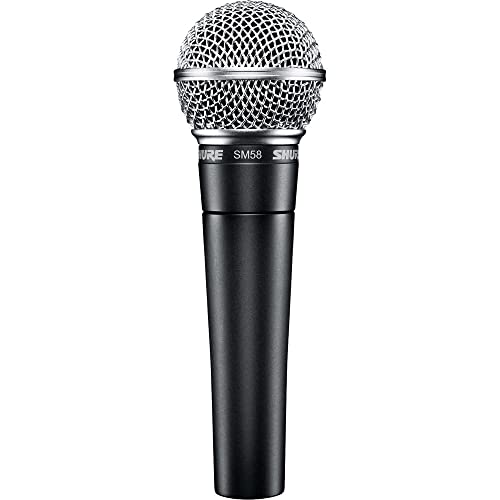
- LEGENDARY VOCAL CLARITY: A finely tuned frequency response with subtle midrange lift delivers warm, articulate vocals that cut through any mix, offering the unmistakable sound quality that has defined professional stages and studios for generations
- TRUSTED WORLDWIDE: The microphone of choice for artists and performers everywhere, from small venues to major stages, delivering consistent, professional sound for live performance, recording, podcasting, and broadcast use
- PRECISION CARDIOID PERFORMANCE: A uniform cardioid pickup pattern focuses tightly on your voice while minimizing background noise and feedback, ensuring clean, accurate vocal reproduction in any environment
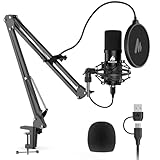
- Pro Sound Chipset 192kHz/24Bit: This Condenser Microphone has been designed with professional sound chipset, which allows the USB microphone to hold high resolution sampling rate. Smooth, flat frequency response, Extended frequency response is excellent for studio, speech and voice-over. Performed well in reproducing sound, high quality mic ensures your exquisite sound reproduces on the internet
- Plug and Play: microphone has USB data port, which is easy to connect with your computer, and no need extra driver software or external sound card. Simply plug the USB cable into your laptop to start using mic immediately, offering seamless integration with various operating systems. That makes it easy to sound good on podcasting, live-streaming, video call, recording (Note: Not compatible with XBOX)
- 16mm Condenser Mic: With the 16mm electret condenser transducer, the USB microphone can give you a strong bass response. This professional condenser microphone picks up crystal clear audio. The magnet ring, on the USB microphone cable, has a strong anti-interference function, which gives you a better feel (Best Range: 2"-6")

- Studio-Quality Sound for Clear Podcast Recording – The K66 USB podcast microphone delivers studio-quality, broadcast-level audio using a high-performance condenser capsule and cardioid pickup pattern that focuses on your voice while reducing unwanted background noise. Designed as a reliable microphone for PC, it features a wide 40Hz–18kHz frequency response and a 46kHz sampling rate to reproduce rich lows, smooth mids, and clear highs for natural, detailed vocals. With –45dB ±3dB sensitivity, it captures balanced sound without distortion during expressive speaking. Ideal for podcasting, voice-over, online classes, meetings, and professional content creation.
- Intelligent Noise Reduction Mode for Cleaner Podcast Audio – This podcast microphone features an advanced Noise Reduction Mode designed for clearer, more focused voice recording in real-world environments. Press and hold the mute button to enable noise reduction (blue indicator). In this mode, the microphone helps reduce keyboard clicks, PC fan noise, air conditioner hum, and background chatter. Default Mode maintains a warm, natural vocal tone for quiet spaces. Designed as a reliable microphone for PC, it allows creators to identify the active mode instantly and adapt as needed, ensuring clear audio for podcasting, gaming, streaming, online classes, meetings, and recording.
- True Plug-and-Play USB Microphone with Wide Device Compatibility – Engineered for effortless plug-and-play use, the K66 USB microphone requires no drivers, apps, or software installation. Simply connect and start recording on Windows PC, Mac, laptops, PS4, PS5, and tablets. Included USB-C and Lightning adapters ensure seamless compatibility with iPhone, iPad, and modern USB-C phones and devices, making it easy to switch between desktop and mobile recording. Ideal for creators working across multiple platforms, this microphone delivers consistent, high-quality audio for YouTube, TikTok, Twitch, Zoom, Discord, OBS Studio, Streamlabs, podcasting, livestreaming, and professional voice recording.

- [USB Output] Enables simple setup. USB studio recording microphone kit provides a direct convenient plug-and-play connection to pc and laptop without any additional hardware or drivers for recording vocals, podcasts and Skype. Studio microphone for recording vocals is never been easier to get high-quality sound for your voice and computer-based audio recordings. (Incompatible with Xbox)
- [Excellent Sound Quality] With rugged construction for durable performance, the vocal recording microphone, USB condenser mic for PC,offers a wide frequency response and handles high SPLs with ease. Ideal for project/home-studio applications. The cardioid condenser capsule captures crystal-clear audio from the front and avoid ambient noise when communicating/creating/recording. Comes ready to go with a desktop mic boom arm stand and 8.2ft USB cable, you're guaranteed to get great-sounding results.
- [Durable Arm Set] The podcast microphone bundle with versatile and sturdy broadcast suspension boom scissor arm with 180° up and down rotation, 135° forward and backward extension for optimal adjustment, for capturing your voice in podcast or voiceover. The double pop filter attached on the music recording microphone provides two layers of dissipation, removes the rush of air, minimize the popping sounds or cancel noise that can compromise your recording, great for studio as well as home use.

- Cardioid Pick-up: Cardioid pickup pattern that captures clear and crisp voice in front of the mic and suppresses unwanted background noise. Design for chatting, teleconferencing, recording, podcast
- For Podcast: Equipped with a non-slip stand that adds stability while occupying a small desktop area. One-click mute and volume control for easy operation during the recording. The shock mount and pop filter can prevent recordings from being disturbed by vibration
- Strong Compatibility: TC-777 is multi-device and program compatible, you can use it on Windows, MAC, PS4 and 5. It can also be quickly recognized by Zoom, Skype, Discord, allowing you to start creating or communicating immediately. (Not compatible with Xbox)

- [Natural Audio Clarity] Operated with frequency response of 50Hz-16KHz, the podcasting XLR mic delivers balanced audio range, likely to resonate with your audience. Directional cardioid dynamic microphone corded will not exaggerate your voice, while rejects unwanted off-axis noise for vocal originality and intelligibility during your PS5 gaming streaming video recording. (Tips: Keep the top of end-addressing XLR dynamic microphone AM8 facing audio source, and suggested recording range is 2 to 6 in.)
- [XLR Connection Upgrade-Ability] To use XLR connection, connect the podcast microphone to an audio interface (or mixer) using a separate XLR cable (NOT Included) . Well-connected and smooth operation improves audio flexibility to make you explore various types of music recording singing. The streaming mic isolates the pristine and accurate sound from ambient noise with greater no interference and fidelity. (RGB and function key on mic are INACTIVE when using XLR connection.)
- [USB Connection with Handy Mute] Skip the hassle of setting something up and plug the cable to play the dynamic USB microphone directly, which suits for beginner creators or daily podcast. You can quickly control the gamer mic with tap-to-mute that is independent of computer/Macbook programs to keep privacy when live streaming. LED mute reminder helps you get rid of forgetting to cancel the mute. (RGB and function key are only available for USB connection, but NOT for XLR connection)

- Smooth, extended frequency response ideally suited for podcasting, home studio recording, field recording, voiceover, and on-stage use
- Built-in headphone jack allows you to directly monitor from your microphone
- Soft-touch capacitive mute button on body to quickly and silently mute audio at the microphone

- CONDENSER MICROPHONE: High sensitivity, low noise, and low distortion with a large 14mm diaphragm and clear sound pickup
- FOR STREAMING & MORE: 360° rotation adjustable stand mic is ideal to track your voice in real-time conference, online streaming, podcasting, music recording, solo vocals or instruments and more
- CARDIOID PICKUP PATTERN: Cardioid pickup pattern microphone effectively isolates background noise, ensuring clear and clean sound for recording and broadcasting
Your Guide to Picking the Best USB Microphone for Vocals
Are you ready to record your amazing voice? Whether you sing, podcast, or just want to sound clear on video calls, a good USB microphone makes a big difference. This guide will help you find the perfect one.
What to Look For: Key Features
When you’re shopping for a USB microphone for vocals, keep these important features in mind:
- Polar Pattern: This is how the microphone “hears.”
- Cardioid: This is the most common and usually the best for vocals. It picks up sound from the front and rejects sound from the sides and back. This helps reduce background noise.
- Omnidirectional: This picks up sound from all directions. It’s good for capturing a whole room but not ideal for isolating your voice.
- Bidirectional: This picks up sound from the front and back. It’s great for interviews where two people are facing each other.
- Frequency Response: This tells you which sounds the microphone can capture. A wider range means it can pick up both low and high notes clearly. For vocals, a good range is usually from around 20 Hz to 20 kHz.
- Sample Rate and Bit Depth: These numbers affect how clear and detailed your recordings are. Higher numbers mean better quality. Look for at least 44.1 kHz sample rate and 16-bit depth for good recordings.
- Headphone Jack: This lets you listen to yourself as you record. It’s called “zero-latency monitoring,” meaning you hear your voice without any delay. This is super helpful!
- Gain Control: This knob lets you adjust how loud the microphone is. It helps you get the best sound without it being too quiet or too loud and distorted.
- Build Quality: A sturdy microphone will last longer and feel better to use.
Materials That Matter
The materials used in a microphone can affect its sound and durability.
- Metal Casing: Microphones with metal bodies are usually more durable. They also help reduce unwanted vibrations.
- Diaphragm Material: The diaphragm is the part that vibrates to create sound. Some common materials are Mylar and gold-sputtered Mylar. Gold-sputtered diaphragms often offer a more sensitive and detailed sound.
- Shock Mount: Some microphones come with a shock mount. This is a frame that holds the microphone and prevents it from picking up bumps and vibrations from your desk.
What Makes a Microphone Sound Great (or Not So Great)?
Several things can make your vocal recordings sound amazing or just okay.
- Condenser vs. Dynamic:
- Condenser Microphones: These are very sensitive and capture a lot of detail. They are great for studio vocals and capture subtle nuances. They often require more power (phantom power, which USB mics usually provide).
- Dynamic Microphones: These are less sensitive and more rugged. They are good at handling loud sounds and are often used for live performances or noisy environments. For most home vocal recording, a condenser is preferred.
- Room Acoustics: The room you record in is very important! A room with lots of echoes and hard surfaces will make your recordings sound bad. Soft furnishings like carpets, curtains, and even blankets can help absorb sound and reduce echoes.
- Microphone Placement: Where you put the microphone matters. Experiment with different distances from your mouth and angles to find the sweet spot. Too close can cause “plosives” (those “p” and “b” sounds that pop). Too far can pick up too much room noise.
- Pop Filter: This is a screen that goes in front of the microphone. It stops air from hitting the diaphragm directly, which prevents those annoying “p” and “b” pops.
Using Your USB Microphone: User Experience and Use Cases
USB microphones are designed for ease of use. You just plug them into your computer, and you’re usually ready to go! No complicated setups or extra audio interfaces are needed.
- Podcasting: If you want to start a podcast, a USB microphone is a fantastic choice. It makes your voice sound professional and clear to your listeners.
- Home Recording: Musicians can use these mics to record vocals for songs. They are also great for recording demos or practicing.
- Streaming: Gamers and content creators can use them to talk to their audience during live streams. Clear audio makes your streams more enjoyable.
- Video Calls: Upgrade your Zoom or Skype calls! Your friends and colleagues will thank you for sounding so much better.
Frequently Asked Questions (FAQ)
Q: What is a polar pattern, and why is it important for vocals?
A: A polar pattern shows how a microphone picks up sound. For vocals, a cardioid pattern is usually best because it focuses on your voice and reduces background noise.
Q: Do I need a pop filter?
A: Yes, a pop filter is highly recommended for vocals. It stops those harsh “p” and “b” sounds from ruining your recordings.
Q: What is the difference between a condenser and a dynamic USB microphone?
A: Condenser mics are very sensitive and capture detail, making them great for studio vocals. Dynamic mics are more rugged and handle loud sounds well.
Q: Can I use a USB microphone for instruments too?
A: Yes, many USB microphones can also record instruments, but they are often best optimized for voice.
Q: What does “zero-latency monitoring” mean?
A: It means you can hear yourself through the microphone with no delay while you are recording. This is usually done through a headphone jack on the microphone.
Q: How do I set up a USB microphone?
A: It’s usually very simple! Just plug the USB cable into your computer and the microphone. Your computer should recognize it automatically.
Q: Do I need special software to use a USB microphone?
A: No, you don’t need special software just to use the microphone. However, you will need recording software (like Audacity or GarageBand) to actually record your voice.
Q: What is a good sample rate and bit depth for vocal recordings?
A: For good quality, aim for at least a 44.1 kHz sample rate and 16-bit depth.
Q: Can I connect a USB microphone to my phone or tablet?
A: Some USB microphones can connect to phones or tablets with the right adapters, but it’s not always guaranteed.
Q: How can I improve the sound quality of my recordings if my room is echoey?
A: Try recording in a room with soft furnishings like carpets and curtains. You can also hang blankets on the walls to absorb sound.

Hi, I’m Tom Scalisi, and welcome to The Saw Blog! I started this blog to share my hands-on experience and insights about woodworking tools—especially saws and saw blades. Over the years, I’ve had the chance to work with a wide range of tools, and I’m here to help both professionals and hobbyists make informed decisions when it comes to selecting and using their equipment. Whether you’re looking for in-depth reviews, tips, or just advice on how to get the best performance out of your tools, you’ll find it here. I’m excited to be part of your woodworking journey!