
Imagine building a birdhouse for your backyard, or perhaps a sturdy shelf for your books. You’ve got the wood, the tools, and the vision. But when it comes to bringing those pieces together, a tiny bottle of glue can feel like a giant puzzle. What’s the best one? Does it need to be waterproof? Will it hold up over time?
Choosing the right wood glue can be confusing. You see so many different kinds, and each one promises to be the strongest or the most flexible. It’s easy to feel overwhelmed, and picking the wrong glue can lead to wobbly joints or projects that don’t last. We’ve all been there, staring at a wall of bottles, wondering which one is truly the best for our project.
But don’t worry! By the end of this post, you’ll understand the different types of wood glues, what they’re good for, and how to pick the perfect one for your next woodworking adventure. We’ll break down the options so you can confidently grab the right bottle and get back to creating.
Top Wood Glues Recommendations
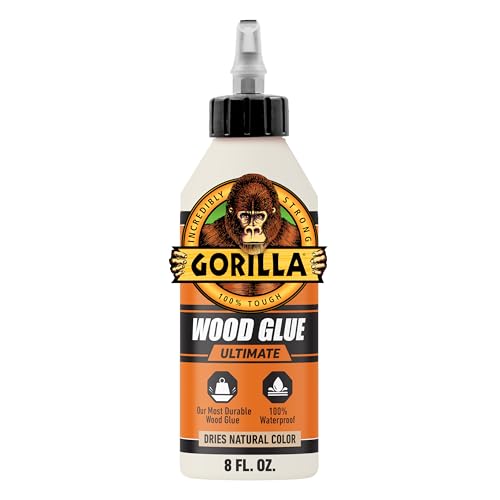
- Use indoors or outdoors: Give your indoor or outdoor projects a Gorilla Tough bond with waterproof Ultimate Gorilla Wood Glue (passes ANSI/HPVA Type I), our most durable wood glue
- Extended working time: This Gorilla glue has an extended working time of 15 minutes before it forms an incredibly strong bond that withstands water, the sun, and extreme temperatures
- Versatile: Our wood glue for woodworking and repairs cures to a natural tan wood color, making it ideal for use on hardwoods, softwoods, and natural wood composites

- Proven Type I Waterproof Performance: Passes ANSI/HPVA Type I water-resistance standards, making it ideal for outdoor woodworking, cutting boards, furniture, and projects exposed to weather conditions.
- Superior Strength & Strong Initial Tack: Advanced proprietary polymer formula delivers exceptional bonding power, fast grab, and a durable long-lasting hold on hardwoods, softwoods, and composites.
- Longer Open Assembly Time: Provides extended working time for complex glue-ups, larger assemblies, and precise alignment—perfect for professional woodworkers and DIY builders.

- 🌲 Seamless Wood Bonding: Designed for wood projects, this wood glue fills small gaps and forms strong bonds between wood, metal, or other materials. Perfect for restoring furniture, repairing cracks, and achieving seamless finishes with minimal traces.
- ⚡ Fast-Drying & Waterproof Performance: Dries in just 30-60 seconds and fully cures within 24 hours, saving you time on repairs. The waterproof and heat-resistant formula ensures a durable bond, even in humid environments or when exposed to high temperatures.
- 💪 Professional-Grade Strength for Lasting Repairs: Formulated with professional-grade cyanoacrylate, this adhesive delivers unmatched bonding strength. It stays strong and durable without cracking or weakening over time, making it ideal for furniture, crafts, and heavy-duty repairs.

- This item is a Franklin International 5003 Titebond-2 Premium Wood Glue, 8-Ounce
- Purpose of use for Hardware, wood-glues
- This product is manufactured in United States
- Complete projects fast: Our wood glue only requires 20-30 minutes of clamp time and is fully cured in 24 hours
- Use indoors or outdoors: Give your indoor or outdoor project a Gorilla Tough bond with a Gorilla glue rated for water resistance (passes ANSI/HPVA Type II water resistance)
- Versatile: This wood glue for woodworking and repairs cures to a natural tan wood color, making it ideal for use on hardwoods, softwoods, and natural wood composites
The Ultimate Buying Guide: Choosing the Right Wood Glue
Finding the perfect wood glue makes your projects strong and long-lasting. This guide helps you pick the best one for your needs. We’ll look at what makes a wood glue great and how to use it.
Key Features to Look For
When you shop for wood glue, check these important things:
- Bond Strength: How strong is the glue when it dries? Most good glues create a bond stronger than the wood itself.
- Drying Time: How fast does the glue dry? Some dry quickly for fast projects. Others take longer, giving you more time to adjust your pieces.
- Water Resistance: Will the glue hold up if it gets wet? Some glues are waterproof, which is great for outdoor projects. Others are not.
- Color: What color is the glue when it dries? Some dry clear. Others dry to a color that matches the wood. This helps hide the glue line.
- Toxicity: Is the glue safe to use? Look for glues with low VOCs (Volatile Organic Compounds). These are better for your health and the environment.
Important Materials
Wood glues are made from different things. Knowing these helps you choose:
- PVA (Polyvinyl Acetate) Glues: These are the most common. They are water-based. Many everyday wood glues are PVA. They work well for most indoor projects.
- Polyurethane Glues: These are strong and waterproof. They work on many materials, not just wood. They foam up when wet, filling small gaps.
- Cyanoacrylate (Super Glues): These dry very fast. They are good for small repairs or quick bonds. They don’t fill gaps well.
- Hide Glues: These are old-fashioned glues. They come from animal parts. They are strong and reversible with heat and water. This is good for antique repairs.
Factors That Improve or Reduce Quality
What makes a wood glue good or not so good?
- Proper Application: Using the right amount of glue is important. Too little glue means a weak bond. Too much glue makes a mess and can weaken the wood.
- Wood Preparation: Clean, dry wood sticks best. Oily or dirty wood will not hold well. Make sure your wood surfaces fit together tightly.
- Clamping: Squeezing the glued pieces together with clamps helps a lot. Clamps push the wood fibers into the glue. This makes a stronger bond.
- Storage: Keep glue in a cool, dry place. If it freezes or gets too hot, it can go bad. A dried-up bottle is useless.
- Shelf Life: Wood glue doesn’t last forever. Check the date on the bottle. Old glue might not work as well.
User Experience and Use Cases
How do people use wood glue? What makes it easy or hard?
- Ease of Use: Many PVA glues are easy to spread. They clean up with water when wet. Polyurethane glues can be a bit messier. They need dampening to work.
- Project Types:
- Indoor Furniture: White PVA glues are perfect. They are strong and easy to use.
- Outdoor Projects (decks, birdhouses): Waterproof glues like polyurethane or special exterior PVA glues are best.
- Fine Woodworking: Glues that dry clear or match wood color are preferred. Hide glue is good for delicate repairs.
- Quick Fixes: Super glue works fast for small breaks.
- Cleanup: Water-based glues clean up easily with a damp cloth. Other glues might need special removers.
10 Frequently Asked Questions about Wood Glue
Q: What is the strongest type of wood glue?
A: Polyurethane glues and some specialized PVA glues are generally the strongest. They often create bonds stronger than the wood itself.
Q: Can I use wood glue on plastic?
A: Most wood glues work best on wood. Some polyurethane glues can bond to certain plastics. Always check the product label.
Q: How long does wood glue take to dry?
A: Drying times vary. White PVA glues can set in 30 minutes and be fully cured in 24 hours. Super glues dry in seconds. Polyurethane glues can take longer.
Q: Do I need to clamp glued wood?
A: Yes, clamping is very important. It holds the pieces together tightly while the glue dries, creating a much stronger bond.
Q: Is wood glue waterproof?
A: Not all wood glues are waterproof. Look for glues labeled as “waterproof” or “exterior” for projects that will be exposed to moisture.
Q: How do I clean up wood glue?
A: Water-based glues like PVA can be cleaned with a damp cloth while they are still wet. Dried glue is harder to remove.
Q: Can I paint or stain over wood glue?
A: Most dried wood glues can be painted or stained. However, some glues might show a slight difference in color or sheen. Test on a scrap piece first.
Q: What is the difference between white and yellow wood glue?
A: White PVA glue is usually for indoor use and dries clear. Yellow wood glue (often Titebond II) is more water-resistant and dries to a slightly amber color, which can match some woods better.
Q: How should I store wood glue?
A: Store wood glue in a cool, dry place, away from direct sunlight and extreme temperatures. Make sure the cap is sealed tightly.
Q: How long does wood glue last?
A: Unopened wood glue can last for a year or more. Once opened, it’s best to use it within 6-12 months for optimal performance. Check the expiration date.

Hi, I’m Tom Scalisi, and welcome to The Saw Blog! I started this blog to share my hands-on experience and insights about woodworking tools—especially saws and saw blades. Over the years, I’ve had the chance to work with a wide range of tools, and I’m here to help both professionals and hobbyists make informed decisions when it comes to selecting and using their equipment. Whether you’re looking for in-depth reviews, tips, or just advice on how to get the best performance out of your tools, you’ll find it here. I’m excited to be part of your woodworking journey!