
Did you know that rabbits are naturally clean animals and can even be litter-trained? If you’re a bunny parent, you know how important a good litter box is for a happy and healthy home. But choosing the right litter can feel like a puzzle! So many choices, so many different materials – it’s easy to get confused. You want what’s best for your furry friend, but you also want something that’s safe, effective, and doesn’t create a mess.
The wrong litter can lead to health problems for your bunny, like respiratory issues or digestive upset. Plus, a poorly chosen litter can mean more work for you, with unpleasant odors and frequent cleanups. It’s a common worry for many rabbit owners, and finding clear, simple advice can be tough.
But don’t worry! This post is here to help. We’ll break down the world of bunny litter, explaining what to look for and what to avoid. By the end, you’ll feel confident in choosing the perfect litter for your bunny, making both your lives easier and more enjoyable. Let’s hop into it!
Top Litter For Bunnies Recommendations

- Specially processed to eliminate dust and wood debris found in other brands
- Will not stick or cling
- Easy clean-up

- ODOR CONTROL for long-lasting freshness, Kaytee Clean & Cozy can be used with any type of habitat for a fresh animal home
- CRAFTED WITH YOUR PET IN MIND, Kaytee Clean & Cozy is fragrance-free, 99% dust-free, soft on paws, and gentle on noses
- ABSORBS UP TO 6X TIMES its weight in liquid to maintain a fresh, dry habitat and more absorbent than other types of bedding
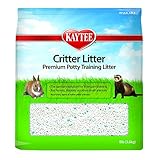
- Made of non-toxic 100% bentonite with all-natural minerals so it's safe for your pet
- Critter litter absorbs moisture on contact and helps to control pet waste odor
- Absorbs 10x its weight in liquid

- ODOR CONTROL for long-lasting freshness. Kaytee Clean & Cozy can be used with any type of habitat for a fresh animal home.
- CRAFTED WITH YOUR PET IN MIND, Kaytee Clean & Cozy is fragrance-free, 99% dust-free, soft on paws, and gentle on noses.
- ABSORBS UP TO 6X TIMES its weight in liquid to maintain a fresh, dry habitat and more absorbent than other types of bedding.

- Natural Odor Control – Effectively eliminates odors without chemicals or artificial fragrances, keeping your pet’s space fresh.
- Low Dust Formula – 99% dust-free to reduce airborne particles and help protect sensitive lungs—great for pets and their people.
- Non-Allergenic – Safe for allergy-prone pets and owners, with no added irritants or allergens.

- ULTRA ABSORBENT FOR MAXIMUM COMFORT: Keep your small pet’s home fresh and dry with bedding that absorbs up to 3X its weight in liquid, reducing mess and ensuring your furry friend enjoys a cozy, clean environment every day.
- SUPERIOR ODOR CONTROL YOU CAN COUNT ON: Fight unwanted smells for up to 14 days! This ultra strength formula helps control ammonia odors, creating a pleasant space for your pet while keeping your home smelling fresh and welcoming.
- SOFT SAFE AND GENTLE FOR LITTLE PAWS: Made from 100% recycled paper, this bedding is free from harmful chemicals and dust, providing a soft, hypoallergenic surface your small pet can snuggle into without irritation or discomfort.

- ODOR CONTROL for long-lasting freshness. Kaytee Clean & Cozy can be used with any type of habitat for a fresh animal home.
- CRAFTED WITH YOUR PET IN MIND, Kaytee Clean & Cozy is fragrance-free, 99% dust-free, soft on paws, and gentle on noses.
- ABSORBS UP TO 6X TIMES its weight in liquid to maintain a fresh, dry habitat and more absorbent than other types of bedding.
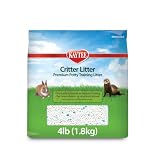
- Made of non-toxic 100% bentonite, an all natural minerals so it's safe for your pet
- Critter Litter absorbs moisture on contact and helps to control pet waste odor
- Critter Litter, in combination with a potty training program, will reduce cage cleaning by 30% or more
Choosing the Best Litter for Your Bunny
Your bunny deserves a clean and healthy home. The right litter makes a big difference. This guide helps you find the perfect litter for your furry friend.
What to Look For in Bunny Litter
Key Features to Consider
- Absorbency: Good litter soaks up wetness quickly. This keeps your bunny’s area dry and smells better.
- Odor Control: Bunnies can have a strong smell. The best litters trap and neutralize odors.
- Dust-Free: Dusty litter can cause breathing problems for your bunny. Look for dust-free options.
- Safe Materials: Your bunny might chew on litter. It must be made from safe, non-toxic materials.
- Easy Cleanup: Some litters clump, making scooping easier. Others can be scooped out whole.
Understanding Litter Materials
Important Materials for Bunny Litter
Different materials have different pros and cons. Here are some common ones:
- Paper-Based Litter: This is a popular choice. It’s usually made from recycled paper. It’s very absorbent and generally dust-free.
- Aspen Shavings: Aspen wood shavings are safe for bunnies. They absorb well and don’t produce much dust. Avoid pine and cedar shavings. These woods can have oils that hurt your bunny’s lungs.
- Hay: Some bunnies eat their litter. Using timothy hay can be a natural and safe option. However, it might not absorb as much liquid as other litters.
- Wood Pellets: These are made from compressed wood. They are very absorbent. Some types are made from kiln-dried pine or aspen. They can break down into a sawdust-like material when wet.
What Makes Litter Better or Worse?
Factors That Affect Litter Quality
- Pellet Size: Smaller pellets can break down faster and absorb more. Larger pellets might not absorb as well.
- Binder Additives: Some litters have binders to help them clump. These can be bad if your bunny eats them.
- Natural vs. Treated: Natural, untreated materials are always best. Treated woods or litters with strong perfumes are harmful.
- Recycled Content: Recycled paper litters are good for the environment. Make sure they are dust-free.
How Bunnies Use Litter
User Experience and Use Cases
Bunnies are naturally clean animals. They often choose one or two spots to do their business. This is called “litter training.”
- Litter Box Placement: Put the litter box in a corner your bunny already uses.
- Adding Litter: Put about an inch of litter in the box. Many owners add a layer of hay on top. This encourages your bunny to use the box and gives them something to munch on.
- Scooping and Changing: You will need to scoop out soiled litter daily. Change the entire litter box every few days. This keeps things fresh and healthy.
- Chewing Behavior: Some bunnies like to chew their litter. This is why safe materials are so important. If your bunny eats a lot of litter, choose paper-based or aspen options.
Frequently Asked Questions (FAQ) About Bunny Litter
Q: What is the safest type of litter for my bunny?
A: Paper-based litter and aspen shavings are generally considered the safest. Always ensure they are dust-free and free from perfumes or harmful additives.
Q: Should I avoid pine and cedar litter?
A: Yes, you should avoid pine and cedar litter. The oils in these woods can irritate your bunny’s respiratory system.
Q: What if my bunny eats the litter?
A: If your bunny eats a small amount of paper-based or aspen litter, it’s usually not a problem. However, if they eat a lot, or if you use a different type of litter, consult your veterinarian.
Q: How often should I change my bunny’s litter box?
A: You should scoop out soiled litter daily and change the entire litter box every few days, or as needed, to maintain cleanliness.
Q: Can I use cat litter for my bunny?
A: No, you should not use most cat litters for bunnies. Many cat litters are dusty or contain clumping agents that can be harmful if ingested by your bunny.
Q: How do I litter train my bunny?
A: Place a litter box in a corner your bunny already uses. Put some soiled litter and hay in the box. Reward your bunny when they use it.
Q: Does litter control bunny smell?
A: Yes, good quality litter helps control odor by absorbing urine and trapping smells. Paper-based and wood pellet litters are often good for odor control.
Q: Is dust-free litter really important?
A: Yes, dust-free litter is very important. Dust can cause respiratory problems and eye irritation for your bunny.
Q: What is the best way to dispose of bunny litter?
A: Most bunny litter can be disposed of in your regular trash. Some compostable paper litters can be added to a compost bin.
Q: Can I mix different types of litter?
A: It’s generally best to stick to one type of safe litter. Mixing can sometimes reduce the effectiveness of odor control or absorbency.

Hi, I’m Tom Scalisi, and welcome to The Saw Blog! I started this blog to share my hands-on experience and insights about woodworking tools—especially saws and saw blades. Over the years, I’ve had the chance to work with a wide range of tools, and I’m here to help both professionals and hobbyists make informed decisions when it comes to selecting and using their equipment. Whether you’re looking for in-depth reviews, tips, or just advice on how to get the best performance out of your tools, you’ll find it here. I’m excited to be part of your woodworking journey!