
Ever found yourself squinting at your screen, trying to see the true colors of your design? Or maybe you’ve spent hours frustrated, wondering why your work looks different on other devices. Choosing the right monitor for design is more than just picking a screen; it’s about making sure your creative vision comes to life exactly as you imagined.
The world of monitors can feel overwhelming. So many numbers, so many features! It’s easy to get lost in the tech jargon and end up with a monitor that just doesn’t cut it. This can lead to wasted time, costly mistakes, and designs that don’t quite hit the mark. But what if you could cut through the confusion and find a monitor that truly helps your creativity shine?
In this guide, we’ll break down what really matters when picking a design monitor. You’ll learn what to look for to ensure accurate colors, sharp details, and a comfortable viewing experience. Get ready to discover how the right monitor can become your most valuable design tool.
Top Monitors For Design Recommendations
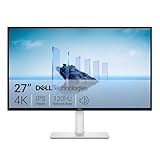
- Improved ComfortView Plus: Reduces harmful blue light emissions to ≤35%, for all-day comfort without sacrificing color accuracy.
- Refresh rate: A smooth, tear-free experience with AMD FreeSync Premium (refresh rate up to 120Hz) and an ultra-low 0.03ms response time create a captivating experience for work and play.
- Vivid colors: Immerse yourself in breathtaking 4K visuals with in-plane switching technology. Enjoy vibrant colors with 99% sRGB. The 1500:1 contrast ratio and HDR readiness deliver excellent depth and detail.

- High-Resolution Display: 27-inch 4K (3840 x 2160) LED backlight HDR display with 178 wide-view IPS panel
- Wide Color Gamut Coverage: 99% DCI-P3 and 99% Adobe RGB coverage for accurate and vibrant color reproduction
- Factory Calibrated Accuracy: Calman Verified and factory pre-calibrated to Delta E < 2 color accuracy for professional color precision

- Calman Verified & Delta E < 2 Accuracy: Achieve true-to-life precision right out of the box for professional photo editing with color accurate monitoring capabilities
- 100% sRGB & 100% Rec. 709 Color Gamut: Ensure your creative projects match industry standards for vibrant digital media with comprehensive color coverage for video editing and content creation
- 27-inch WQHD IPS Display: Enjoy crystal-clear details with 2560 x 1440 resolution for graphic design and video editing workflows with wide viewing angles and consistent color reproduction

- VIVID COLORS: Experience stunning colors across the entire display with the IPS panel. Colors remain bright and clear across the screen, even when you change angles. Tones and shades are represented consistently and beautifully with less color washing.
- SMOOTH PERFORMANCE: Stay in the action when playing games, watching videos, or working on creative projects. The 100Hz refresh rate reduces lag and motion blur so you don't miss a thing in fast-paced moments.¹
- MORE GAMING POWER: Gain a competitive edge with optimizable game settings. Color and image contrast can be instantly adjusted to see scenes more clearly, while Game Mode adjusts any game to fill your screen with every detail in view.
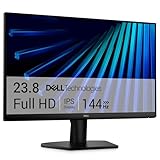
- Clear visuals. Fluid motion: A 144Hz refresh rate and 1ms MPRT deliver smooth, tear‑free motion across work, gaming, and streaming for clearer, more fluid viewing.
- Eye comfort: TÜV Rheinland 3‑star* certification reduces harmful blue light while preserving stunning color quality without compromise. *TÜV Rheinland 3-star eye comfort certification.
- Wide viewing angle: Get consistent views across a wide 178° /178° viewing angle.

- 【INTEGRATED SPEAKERS】Whether you're at work or in the midst of an intense gaming session, our built-in speakers provide rich and seamless audio, all while keeping your desk clutter-free.
- 【EASY ON THE EYES】 Protect your eyes and enhance your comfort with Blue-Light Shift technology. This feature reduces harmful blue light emissions from your screen, helping to alleviate eye strain during long hours of use and promoting healthier viewing habits.
- 【WIDEN YOUR PERSPECTIVE】Our sleek minimal bezel design ensures undivided attention. The nearly bezel-free display seamlessly connects in a dual monitor arrangement, delivering an unobstructed view that lets you focus on more at once, completely distraction-free.

- 4K UHD with 1000:1 Contrast Ratio - This UltraFine display with a 1000:1 contrast ratio displays deeper blacks and vivid colors in UHD clarity. With wide viewing angles, it gives creative professionals the ability to view and work with highly-detailed, digital imagery.
- 4K HDR10 DCI-P3 - Explore HDR10 content the way it was meant to be seen with up to 90% DCI-P3 color gamut expression—an elevated color spectrum that brings brilliant color to life.
- Onscreen Control - You can customize the workspace by splitting the display or adjusting basic monitor options with just a few mouse clicks.

- DO MORE ON ONE SCREEN: See every detail on the wider display featuring a 21:9 aspect ratio; Ultra WQHD provides the simplest way to maximize screen real estate and experience truly seamless multitasking on just one screen.Brightness (Typical) : 300 cd/㎡. Static Contrast Ratio 3000:1.
- ENJOY A BILLION COLORS W/ INCREDIBLE DEPTH: With HDR10 that displays over 1 billion colors compared to 16.7 million for typical SDR technology, dark colors are darker and the brightest are even brighter; Content is experienced as the creator intended
- CARE FOR YOUR EYES DAY and NIGHT: An ambient light sensor on the monitor detects lighting in your workstation and automatically adjusts brightness; Eye Saver Mode minimizes excessive blue light, and Flicker Free relieves eye strain
Choosing the Right Monitor for Your Creative Work
As a designer, your monitor is your window to the digital world. It’s where your ideas come to life. Picking the right one makes a big difference. This guide helps you find a monitor that shows your work accurately and comfortably.
Key Features to Look For
Several features are super important for design monitors. Let’s break them down:
Color Accuracy
This is the most critical feature. You need a monitor that shows colors exactly as they are. This means looking for monitors with high sRGB coverage (at least 99%). Some professional monitors also support Adobe RGB or DCI-P3, which are important for print or video work.
Resolution
Higher resolution means more detail. For design, Full HD (1920×1080) is okay, but Quad HD (2560×1440) or 4K UHD (3840×2160) are much better. They give you more screen space and sharper images. This helps you see fine details in your designs.
Panel Type
The type of panel affects color and viewing angles.
- IPS (In-Plane Switching): This is the best choice for designers. IPS panels offer excellent color accuracy and wide viewing angles. Colors stay true even when you look at the screen from the side.
- VA (Vertical Alignment): VA panels have great contrast ratios, meaning deeper blacks. However, their color accuracy and viewing angles are not as good as IPS.
- TN (Twisted Nematic): TN panels are fast but have poor color reproduction and viewing angles. They are not recommended for design work.
Screen Size and Aspect Ratio
A larger screen (27 inches or more) gives you more room to work. This is especially helpful for complex designs. Most design monitors use a 16:9 aspect ratio, but some offer ultrawide (21:9) options for even more workspace.
Refresh Rate and Response Time
While important for gaming, these are less critical for most design tasks. A standard 60Hz refresh rate is usually fine. However, if you work with animation or video, a higher refresh rate can be a nice bonus.
Important Materials and Build Quality
The materials used in a monitor’s construction can affect its durability and how it looks on your desk.
- Stand: Look for a sturdy stand that allows for height, tilt, and swivel adjustments. This helps you find a comfortable working position and reduces strain.
- Bezels: Thin bezels are great for multi-monitor setups. They create a nearly seamless view across screens.
- Matte Finish: A matte screen finish reduces glare from lights and windows. This is a must-have for comfortable, long work sessions.
Factors That Improve or Reduce Quality
Several things can make a monitor great or not so great for design.
Improves Quality:
- Factory Calibration: Many high-end monitors come pre-calibrated for color accuracy. This means they are ready to go right out of the box.
- HDR Support: High Dynamic Range (HDR) can show a wider range of brightness and color. This is beneficial for HDR content creation.
- USB-C Connectivity: This port can transmit video, data, and power over a single cable. It simplifies your setup and can charge your laptop.
Reduces Quality:
- Backlight Bleed: This is when light leaks from the edges of the screen, especially on dark backgrounds. It can be distracting and affect color uniformity.
- IPS Glow: Similar to backlight bleed, IPS glow is a faint glow seen on dark screens from IPS panels. It is usually less noticeable than backlight bleed.
- Poor Viewing Angles: If colors change drastically when you move your head, the viewing angles are poor. This makes collaboration difficult.
User Experience and Use Cases
The best monitor for you depends on your specific design needs.
Graphic Designers & Illustrators:
These users need top-notch color accuracy (sRGB, Adobe RGB). A 27-inch or larger IPS monitor with QHD or 4K resolution is ideal. Good ergonomics are also key for long hours.
Web Designers & UI/UX Designers:
Color accuracy is still important, but sharpness and screen real estate matter a lot. A QHD or 4K monitor helps see website layouts clearly. A matte screen is excellent for reducing reflections from overhead lights.
Video Editors & Motion Graphics Artists:
These professionals benefit from wide color gamuts (DCI-P3, Adobe RGB) and high resolutions. A refresh rate of 60Hz or higher is helpful for smooth playback. HDR support is a big plus.
General Creative Use:
For those who dabble in various design areas, a good all-around monitor with excellent sRGB coverage, an IPS panel, and QHD resolution will serve you well.
Frequently Asked Questions
Q: What is the most important feature for a design monitor?
A: Color accuracy is the most important feature. It ensures your designs look the same on screen as they will in print or online.
Q: Should I get an IPS or VA monitor for design?
A: IPS monitors are generally better for design because they offer superior color accuracy and wider viewing angles.
Q: How much resolution do I need for design?
A: While Full HD is acceptable, Quad HD (QHD) or 4K UHD offers more detail and screen space, which is better for design work.
Q: What does “sRGB coverage” mean?
A: sRGB coverage tells you how much of the standard sRGB color space the monitor can display. For design, aim for 99% or higher.
Q: Are ultrawide monitors good for design?
A: Yes, ultrawide monitors offer more horizontal screen space, which can be very helpful for timelines, complex layouts, and multitasking.
Q: What is factory calibration?
A: Factory calibration means the monitor has been adjusted at the factory to ensure accurate colors right out of the box.
Q: How important is refresh rate for a design monitor?
A: For most static design work, a standard 60Hz refresh rate is fine. Higher refresh rates are more important for video editing or animation.
Q: What is backlight bleed?
A: Backlight bleed is when light leaks from the edges of the screen, making dark areas look grayish. It can affect color uniformity.
Q: Can I use a gaming monitor for design?
A: Some high-end gaming monitors have good color accuracy, but many prioritize speed over color fidelity. Always check the specs carefully.
Q: How often should I calibrate my monitor?
A: Most designers should calibrate their monitors at least once a month to maintain color accuracy. Some may do it more often.

Hi, I’m Tom Scalisi, and welcome to The Saw Blog! I started this blog to share my hands-on experience and insights about woodworking tools—especially saws and saw blades. Over the years, I’ve had the chance to work with a wide range of tools, and I’m here to help both professionals and hobbyists make informed decisions when it comes to selecting and using their equipment. Whether you’re looking for in-depth reviews, tips, or just advice on how to get the best performance out of your tools, you’ll find it here. I’m excited to be part of your woodworking journey!