
Ever wonder why your photos don’t look quite right on your computer screen? Or why the colors in your favorite game seem a little… off? This happens because not all computer monitors show colors the same way. It’s like trying to paint a picture with a crayon that’s a slightly different shade than you intended – the final result can be disappointing.
Choosing a monitor that shows colors accurately can feel like a puzzle. There are so many technical words like sRGB, Adobe RGB, and Delta E, and it’s hard to know what they really mean for your everyday use. This confusion can lead to wasted money on a screen that doesn’t meet your needs, or frustration when your creative work doesn’t look as vibrant as it should.
But don’t worry! This post is here to help. We’ll break down what color accuracy really means and why it’s important for everything from editing photos and videos to simply enjoying your digital world. By the end, you’ll understand how to pick a monitor that makes your colors pop and your projects shine, without getting lost in jargon.
Top Color Accurate Monitors Recommendations

- Calman Verified & Delta E < 2 Accuracy: Achieve true-to-life precision right out of the box for professional photo editing with color accurate monitoring capabilities
- 100% sRGB & 100% Rec. 709 Color Gamut: Ensure your creative projects match industry standards for vibrant digital media with comprehensive color coverage for video editing and content creation
- 27-inch WQHD IPS Display: Enjoy crystal-clear details with 2560 x 1440 resolution for graphic design and video editing workflows with wide viewing angles and consistent color reproduction
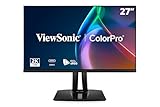
- High-Performance 120Hz Quad HD Display: Maximize your workspace with this 27 Inch 2K (2560 x 1440) IPS monitor featuring a smooth 120Hz refresh rate; the thin bezels and high resolution provide expansive screen real estate for demanding professional workflows
- Exceptional Color Accuracy and Calibration: Experience lifelike color with 100% sRGB and Rec.709 coverage; factory calibrated to achieve Delta E<2 accuracy, this display ensures that the color displayed on screen perfectly matches your final creative output
- Integrated 90W USB-C Docking Station: Simplify your workspace and reduce cable clutter with a single-cable USB-C connection that delivers data, audio, and video; enjoy quick 90W charging to keep your laptop powered for an efficient and organized desktop
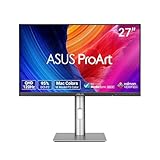
- High-Resolution Display: 27-inch QHD (2560 x 1440) display with 178 wide-view IPS panel for exceptional clarity and viewing angles
- Professional Color Gamut: Wide 95% DCI-P3 and 100% sRGB gamut to meet international color standards for accurate color reproduction
- Factory Calibrated Accuracy: Calman Verified with factory calibration for excellent Delta E < 2 color accuracy, ensuring precise color representation

- Large 4K HDR Display: 31.5-inch 4K (3840 x 2160) LED backlight HDR display with 178 wide-view IPS panel
- Wide Color Gamut: 98% DCI-P3 coverage for vibrant and accurate color reproduction
- Factory Calibrated Color Accuracy: Calman Verified with factory calibration for excellent Delta E < 2 color accuracy
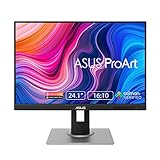
- 24. 1-inch 16: 10 WUXGA (1920 x 1200) IPS display with frameless design
- International color standard 100% sRGB and 100% Rec. 709 wide color gamut
- Calman Verified with factory pre-calibrated for excellent color accuracy (ΔE < 2)
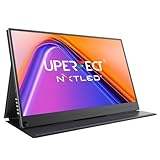
- What is NxtLED? -- NxtLED is UPERFECT’s proprietary display system engineered to optimize light at the source. It integrates Omni Visible visibility, Color-True accuracy, neutral white calibration, low blue light control, and flicker-free DC dimming to deliver clear, natural, and consistent visuals across different lighting conditions and viewing angles, achieving near OLED-level color performance with enhanced visual comfort
- Long Hours Cause Eye Fatigue? -- Paper-Like Clarity with Stable Brightness and True Color Temperature. Traditional displays often cause eye strain due to glare, uneven brightness, or yellow-tinted eye-care modes. NxtLED with Omni Visible technology delivers soft, evenly balanced light, neutral white color temperature, and an advanced anti-glare matte display, keeping visuals clear, stable, and comfortable from day to night, even during extended use
- Color Shifts Across Environments? -- Consistent, True-to-Life Color Wherever You Go. Many portable monitors suffer from color washout and tonal shift when lighting changes or when used on the move. NxtLED maintains precise color reproduction across environments, ensuring visuals remain vibrant, accurate, and consistent, ideal for creative work and premium entertainment anywhere

- Ultrawide Curved Display: 34.1-inch 21:9 3800R IPS curved display with frameless design for immersive viewing experience
- Professional Color Accuracy: International color standard 100% sRGB and 100% Rec. 709 wide color gamut for precise color reproduction
- Factory Calibrated Precision: Calman Verified with factory calibration delivering excellent Delta E < 2 color accuracy for professional work

- INCREDIBLE CLARITY - Experience stunning detail on the 31.5" 4K UHD (3840x2160) IPS display, offering exceptional image precision for designers and creative professionals, ensuring every detail is sharp and vibrant.
- ACCURATE COLOR - Achieve unparalleled color fidelity with 99% sRGB and 99% Rec.709 coverage, coupled with Calman Verified and Pantone Validated certifications, guaranteeing industry-standard color accuracy for your projects.
- SEAMLESS CONNECTIVITY - Simplify your workflow with USB-C connectivity, providing up to 90W power delivery, DisplayPort Alt Mode, and data transfer, alongside HDMI 2.0 and DisplayPort 1.4 ports for versatile device integration.
Finding Your Perfect Pixel Palette: A Color Accurate Monitor Buying Guide
Choosing a monitor that shows colors just right can be tricky. Whether you’re editing photos, designing graphics, or just want your movies to look amazing, a color accurate monitor is your best friend. This guide will help you pick the perfect one.
Why Color Accuracy Matters
Colors on your screen need to match real life, or at least match what you intend them to be. If your monitor shows red as orange, your photos won’t look true to life. This is especially important for artists, photographers, and anyone who relies on precise color reproduction.
Key Features to Look For
When you’re shopping, keep these important features in mind:
- Color Gamut: This tells you how many colors the monitor can show.
- sRGB: This is a standard color space. Most monitors cover 100% sRGB, which is great for everyday use and web content.
- Adobe RGB: This is a wider color space. It’s better for professional photography and printing because it shows more greens and blues. Look for monitors that cover 95-100% of Adobe RGB.
- DCI-P3: This is used a lot in digital cinema. It’s also a wide color space, good for video editing and HDR content.
- Color Depth: This refers to the number of colors a monitor can display.
- 8-bit: Shows about 16.7 million colors. This is good for most people.
- 10-bit: Shows over a billion colors. This provides smoother color transitions and less “banding” (where you see lines instead of smooth color changes). This is better for professionals.
- Color Accuracy (Delta E): This measures how close the monitor’s colors are to the intended colors. A lower Delta E number means better accuracy.
- Delta E < 2: This is considered excellent. Most people won’t see a difference between the monitor’s color and the true color.
- Delta E < 5: This is still very good for most users.
- Resolution: This is the number of pixels on the screen. More pixels mean sharper images.
- 1080p (Full HD): Standard for many monitors.
- 1440p (QHD): Offers more detail than 1080p.
- 4K (UHD): Provides the sharpest images, great for detailed work.
- Panel Type: The type of screen technology used affects color and viewing angles.
- IPS (In-Plane Switching): This is the best choice for color accuracy. IPS panels offer wide viewing angles and excellent color reproduction.
- VA (Vertical Alignment): These panels have good contrast but can sometimes have slower response times and less accurate colors than IPS.
- TN (Twisted Nematic): These are fast but have poor color accuracy and viewing angles. Avoid these for color critical work.
Important Materials and Technology
Monitors use different technologies to display colors.
- LED Backlighting: Most monitors use LEDs to light up the screen. Different types of LEDs can affect color. Quantum Dot technology, for example, uses tiny particles to produce purer colors and a wider color gamut.
- Screen Coatings: Some monitors have anti-glare coatings. While this helps reduce reflections, it can sometimes slightly affect color clarity. Matte screens are generally preferred for color work.
Factors That Improve or Reduce Quality
Several things make a monitor’s color quality better or worse:
- Factory Calibration: Many good color accurate monitors come pre-calibrated from the factory. This means they’ve been tuned to show colors as accurately as possible right out of the box.
- Uniformity: This refers to how consistent brightness and color are across the entire screen. Poor uniformity means some parts of the screen might look different from others.
- Viewing Angles: A good IPS panel lets you see accurate colors even when you’re not looking directly at the center of the screen. If colors shift when you move your head, the viewing angles aren’t great.
- Brightness and Contrast: Proper brightness and contrast ratios help colors pop and details show clearly. Too much brightness can wash out colors.
- Screen Size and Aspect Ratio: While not directly about color accuracy, these affect how you experience the image. Wider screens or larger displays can be great for multitasking or immersive viewing.
User Experience and Use Cases
Who needs a color accurate monitor and why?
- Photographers: They need to see the true colors of their shots to ensure they look the same in print and on other screens.
- Graphic Designers: Precise colors are vital for branding, logos, and creating visually appealing designs.
- Video Editors: They ensure that colors in films and videos are consistent and match the director’s vision.
- Artists: Digital artists rely on accurate colors to create their work as intended.
- Gamers (sometimes): While speed is often king for gamers, some enjoy vibrant and accurate colors for a more immersive experience.
- Everyday Users: Even if you’re not a professional, a color accurate monitor makes your photos, movies, and websites look more vibrant and true to life.
Frequently Asked Questions (FAQ)
Q: What is the most important thing to look for in a color accurate monitor?
A: The most important things are a wide color gamut (like 95-100% Adobe RGB or DCI-P3), a low Delta E value (under 2 is ideal), and an IPS panel type. These features ensure the monitor can display a wide range of colors accurately.
Q: Do I really need an Adobe RGB monitor if I’m just editing photos for Instagram?
A: Probably not. Most social media and web content use the sRGB color space. A monitor that covers 100% sRGB is usually sufficient for these purposes. Adobe RGB is more for professional printing and photography.
Q: What does “factory calibrated” mean?
A: It means the monitor has been tested and adjusted at the factory to display colors as accurately as possible. This saves you time and effort in setting it up yourself.
Q: How can I tell if a monitor has good color accuracy?
A: Look for specifications like “Delta E < 2" or "99% Adobe RGB." You can also read reviews from reputable tech websites that test color accuracy.
Q: Will a matte screen affect my colors?
A: Matte screens reduce glare, which is good for viewing. Sometimes, the anti-glare coating can slightly soften colors compared to a glossy screen, but for color accuracy, the benefits of reduced glare often outweigh this.
Q: What’s the difference between 8-bit and 10-bit color?
A: 10-bit color can show over a billion colors, while 8-bit shows about 16.7 million. 10-bit provides smoother color gradients and prevents visible lines or banding in images and videos.
Q: Is a higher resolution always better for color accuracy?
A: Not directly. Resolution affects the sharpness and detail of an image. Color accuracy is about how the monitor displays the colors themselves. You can have a 4K monitor with poor color accuracy, or a 1080p monitor with excellent color accuracy.
Q: How often should I calibrate my monitor?
A: For critical work, calibrating every few weeks or once a month is recommended. For general use, calibrating every few months is usually fine.
Q: Can I use a colorimeter to calibrate my monitor?
A: Yes, a colorimeter is a device that measures the colors on your screen and helps you calibrate it precisely. This is a great tool for professionals who need the most accurate colors.
Q: Are gaming monitors good for color accuracy?
A: Some high-end gaming monitors do offer good color accuracy, especially those with IPS panels. However, many gaming monitors prioritize fast response times and high refresh rates over perfect color reproduction.

Hi, I’m Tom Scalisi, and welcome to The Saw Blog! I started this blog to share my hands-on experience and insights about woodworking tools—especially saws and saw blades. Over the years, I’ve had the chance to work with a wide range of tools, and I’m here to help both professionals and hobbyists make informed decisions when it comes to selecting and using their equipment. Whether you’re looking for in-depth reviews, tips, or just advice on how to get the best performance out of your tools, you’ll find it here. I’m excited to be part of your woodworking journey!