
Ever wonder what makes a singer’s voice sound so clear and powerful on recordings or during live shows? A big part of that magic comes from the microphone they use! But when you’re just starting out, or if you’re on a budget, finding a great vocal microphone that doesn’t break the bank can feel like a puzzle.
There are so many microphones out there, all promising amazing sound. It’s easy to get confused by all the technical words and different brands. You want a microphone that captures your voice beautifully, whether you’re singing your heart out in your bedroom studio or performing on a small stage. But how do you know which one will actually do the job without costing a fortune?
That’s where this guide comes in! We’re going to dive into the world of vocal microphones under $500. You’ll learn what to look for, discover some fantastic options that offer amazing value, and finally feel confident in choosing a microphone that will make your voice shine. Get ready to find your perfect vocal partner!
Top Vocal Microphone Under 500 Recommendations

- LEGENDARY VOCAL CLARITY: A finely tuned frequency response with subtle midrange lift delivers warm, articulate vocals that cut through any mix, offering the unmistakable sound quality that has defined professional stages and studios for generations
- TRUSTED WORLDWIDE: The microphone of choice for artists and performers everywhere, from small venues to major stages, delivering consistent, professional sound for live performance, recording, podcasting, and broadcast use
- PRECISION CARDIOID PERFORMANCE: A uniform cardioid pickup pattern focuses tightly on your voice while minimizing background noise and feedback, ensuring clean, accurate vocal reproduction in any environment

- Cardioid Pick-up: Cardioid pickup pattern that captures clear and crisp voice in front of the mic and suppresses unwanted background noise. Design for chatting, teleconferencing, recording, podcast
- For Podcast: Equipped with a non-slip stand that adds stability while occupying a small desktop area. One-click mute and volume control for easy operation during the recording. The shock mount and pop filter can prevent recordings from being disturbed by vibration
- Strong Compatibility: TC-777 is multi-device and program compatible, you can use it on Windows, MAC, PS4 and 5. It can also be quickly recognized by Zoom, Skype, Discord, allowing you to start creating or communicating immediately. (Not compatible with Xbox)

- [Convenient Setup] Plug and play recording USB microphone for PC, with 5.9-Foot USB cable included for computer PC laptop, is connected directly to USB-A port for recording music, computer singing or podcast. The office condenser microphone for computer is easy to use and install. (NOT compatible with Xbox and Phones)
- [Durable Metal Design] Solid sturdy metal construction design, the computer microphone for Zoom meetings with stable tripod stand is convenient when you are doing voice overs or livestreams on YouTube. Durable material extends the service life of the voice-over microphone.
- [Mic Volume Knob] Gaming condenser USB mic compatible for PS4 with additional volume knob itself has a louder or quieter adjustment and is more sensitive. Your voice would be heard well enough through the zoom microphone USB when gaming, skyping or voice recording. Also, you can adjust your volume to zero and protect your privacy.

- GREAT SOUND QUALITY - Yiowner karaoke Microphone easy to sing with great sound quality. Only pick up your voice and reduce the noise from the background, ensure that the voice is clear and without distortion.
- EXCELLENT CABLE - The cable of Wired microphone is made of oxygen Free Copper with shielding, no hum, no noise, deliver pristine sound.
- SUPER COMPATIBILITY - Vocal microphone perfect for parties, company conferences, KTV karaoke, outdoor activities, tour buses. Can be used with these machines: power amplifier, outdoor audio, mixer, DVD etc.

- 500FT ULTRA-LONG RANGE & 2.4G STABILITY Our advanced 2.4G wireless technology delivers a massive 150m (500ft) operation range with rock-solid signal stability. Whether you are hosting a large outdoor wedding or preaching in a grand church, move freely without fear of dropouts or interference. Perfect for large venues where reliability is non-negotiable.
- Built-in professional noise reduction chip and high-density mesh head, the wireless handheld microphone captures your voice with rich details while filtering out background noise. The receiver features independent volume control knobs for Channel A and Channel B, allowing you to adjust the output volume precisely to avoid audio distortion and feedback, delivering crisp, clear, and balanced sound every time.
- CRYSTAL CLEAR SOUND WITH AUTO NOISE CANCELLING Experience studio-quality vocals with our premium Dynamic Microphone capsule. The built-in automatic noise reduction chip effectively filters out background hiss, wind noise, and handling sounds, ensuring your voice is projected with warmth and clarity. The cardioid pickup pattern isolates your voice, making it the ultimate choice for professional singing and speech.

- 6.35mm Karaoke DYNAMIC MICROPHONE-Wired microphone with cord for karaoke features a cardioid pickup pattern for greater gain while simultaneously minimizing feedback. The 6.35mm (1/4’’) plug in microphone, music stuff, is ideal for live situations where noise cancellation is needed, which makes the handheld DJ microphone corded remarkable for presentation, wedding, conference, church, interview, solo performances stage and more outdoor events. (Important Note: ⚠️The mic is NOT AVAILABLE FOR 3.5mm CONNECTION, EVEN USING ADAPTER.)
- FLAT, WIDE-RANGE FREQUENCY-The smooth frequency range is solid at 50 to 18 kHz. The 1/4’’ microphone karaoke is suited well for handling high sound pressure levels. 1/4'' plug in microphone is tailored for spoken word, various instruments like acoustic guitar. Having no power requirement makes dynamic microphone for singing the ideal choice for any live applications.
- OPTIMAL SPEECH INTELLIGIBILITY-Such karaoke microphone system for adults, the vocal microphone wired delivers an low distortion for clean sound output, precise reproduction of speech and vocals with excellent intelligibility. The dynamic vocal microphone with cable is suitable for recreational activities, such as singing, karaoke, home party and performance, indoors or outdoors.

- 【CLEAR VOCAL PICKUP】Cardioid directional pickup and noise-reduction tuning focus on your voice, helping singing, speeches, and announcements sound cleaner through compatible speakers. Use this wireless karaoke microphone set for home karaoke, classroom talks, and small events with less background distraction.
- 【500 FT 2.4G RANGE】2.4G high-frequency transmission supports movement up to 500 ft / 150 m in open areas, so hosts and singers can move across larger rooms or outdoor setups while maintaining a stable handheld microphone wireless connection.
- 【TYPE-C RECHARGEABLE DESIGN】The rechargeable wireless microphone charges by Type-C in about 3 hr 10 min and supports up to 10 hr of use, reducing battery replacement hassle for karaoke nights, church service, meetings, and practice sessions.
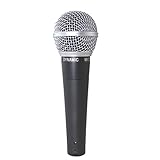
- classic style microphone vocal microphone Audio Instrument
- frequency response tailored for vocals
- with brightened midrange and bass rolloff
Finding Your Voice: The Best Vocal Microphones Under $500
Are you looking to upgrade your singing or podcasting game without breaking the bank? Finding a great vocal microphone under $500 is totally achievable. This guide will help you pick the perfect one. We’ll cover what to look for, what makes a mic good, and what you can expect.
Key Features to Look For
When you’re shopping for a vocal microphone, a few things really matter.
- Polar Pattern: This is how the microphone picks up sound.
- Cardioid: This is the most common. It picks up sound from the front and rejects sound from the sides and back. It’s great for solo singers or podcasters.
- Omnidirectional: This picks up sound from all directions. It sounds more natural but can pick up more room noise.
- Bidirectional (Figure-8): This picks up sound from the front and back but rejects sound from the sides. It’s good for interviews with two people facing each other.
- Type of Microphone:
- Condenser Microphones: These are usually more sensitive and capture more detail. They need power (phantom power) to work. They are excellent for studio vocals.
- Dynamic Microphones: These are more rugged and don’t need phantom power. They handle loud sounds well and are great for live performances.
- Frequency Response: This tells you how well the microphone picks up different pitches. A smooth, even response usually sounds best. Some mics boost certain frequencies to make vocals sound clearer or warmer.
- Connectivity: Most mics in this price range will have an XLR connector. You’ll need an audio interface or mixer with an XLR input to connect them. Some might also offer USB for direct computer connection.
Important Materials
The materials used in a microphone affect its sound and durability.
- Diaphragm: This is the part that vibrates when sound waves hit it. Thin, gold-sputtered Mylar is common for condenser mics. It’s sensitive and captures detail. For dynamic mics, a stiffer material like Mylar or a plastic composite is used.
- Body: Most vocal mics have a metal body, often made of brass or aluminum. Metal bodies are strong and help reduce handling noise.
- Grille: The grille protects the diaphragm. It’s usually made of steel mesh.
Factors That Improve or Reduce Quality
Several things can make a microphone sound better or worse.
- Build Quality: A well-built microphone feels solid. It won’t rattle or have loose parts. Good build quality means it will last longer and perform consistently.
- Internal Components: High-quality internal electronics and capsule design make a big difference. Manufacturers often use better parts in more expensive microphones.
- Room Acoustics: Even the best microphone can sound bad in a poor-sounding room. Lots of echo or background noise will reduce the quality of your recording. Treating your room with sound-absorbing materials helps a lot.
- Pop Filter: This is a screen that goes in front of the microphone. It stops “plosive” sounds like “p” and “b” from creating loud pops. It’s a simple but important tool for clean vocals.
- Shock Mount: This is a mount that isolates the microphone from vibrations. It stops thumps and bumps from traveling up the mic stand and into the audio.
User Experience and Use Cases
How you plan to use the microphone is key.
- Home Studio Recording: For singers recording at home, a sensitive condenser mic with a cardioid pattern is often ideal. It will capture nuances in your voice. You’ll likely need an audio interface and a pop filter.
- Podcasting: Podcasters often prefer dynamic mics for their ability to reject background noise. A cardioid pattern is excellent here. USB mics are also popular for their ease of use.
- Live Performance: Dynamic microphones are the go-to for live shows. They are tough and can handle loud stages without distortion. They are also less prone to feedback.
- Beginner vs. Experienced: Beginners might find USB microphones easier to set up. More experienced users will appreciate the flexibility and sound quality of XLR microphones.
Frequently Asked Questions (FAQ)
Q: What is the most important feature for a vocal microphone?
A: The most important feature is often the polar pattern, as it determines how the microphone picks up sound and rejects unwanted noise.
Q: Do I need an audio interface for a microphone under $500?
A: If the microphone has an XLR connector, yes, you will need an audio interface or mixer to connect it to your computer and provide phantom power if it’s a condenser mic.
Q: What’s the difference between a condenser and a dynamic microphone?
A: Condenser mics are more sensitive and capture more detail, while dynamic mics are more rugged and handle loud sounds better.
Q: How can I improve my vocal recordings if I have background noise?
A: Using a cardioid microphone, getting closer to the microphone, and treating your recording space with sound-absorbing materials can help reduce background noise.
Q: Are USB microphones good for vocals?
A: Yes, USB microphones can be very good for vocals, especially for beginners or podcasters, as they connect directly to your computer.
Q: What does “frequency response” mean for a microphone?
A: Frequency response shows how well a microphone captures different pitches (low, mid, and high sounds).
Q: Is it worth buying a pop filter for my vocal mic?
A: Absolutely! A pop filter is a cheap accessory that makes a big difference in reducing annoying “p” and “b” sounds in your recordings.
Q: Can I use the same microphone for singing and podcasting?
A: Often, yes. Many microphones work well for both, but a dynamic cardioid mic is a popular choice for its versatility.
Q: What does “phantom power” do?
A: Phantom power is a small electrical current that condenser microphones need to operate. It’s usually supplied by an audio interface or mixer.
Q: How do I choose between a condenser and a dynamic mic for my voice?
A: If you have a quiet room and want to capture every detail of your voice, a condenser mic is often better. If you have a louder environment or perform live, a dynamic mic might be more suitable.

Hi, I’m Tom Scalisi, and welcome to The Saw Blog! I started this blog to share my hands-on experience and insights about woodworking tools—especially saws and saw blades. Over the years, I’ve had the chance to work with a wide range of tools, and I’m here to help both professionals and hobbyists make informed decisions when it comes to selecting and using their equipment. Whether you’re looking for in-depth reviews, tips, or just advice on how to get the best performance out of your tools, you’ll find it here. I’m excited to be part of your woodworking journey!