
Imagine building a magnificent castle. You wouldn’t start without a strong foundation, right? In the world of Rust, a popular video game, your “foundation” is your base. But building the perfect base isn’t always easy. Have you ever spent hours gathering resources, only to have your base raided by other players?
Choosing the right Rust base design can be tricky. There are so many different types, and some just don’t protect your hard-earned loot as well as others. You might end up with a base that’s too easy to break into, or one that’s too expensive to build. It’s a common frustration for many Rust players.
But what if you could build a base that’s strong, efficient, and keeps your gear safe? In this post, we’ll explore different Rust base designs. We’ll show you what makes a good base and how to pick one that fits your playstyle. Get ready to build smarter and keep your loot secure!
Top Rust Bases Recommendations

- RUST CONVERTER FOR METAL – Converts rust into a dark, solid primer layer while helping create a stable surface for painting. Penetrates rust 50–300 microns deep and improves coating adhesion
- PLANT-BASED FORMULA – Water-based rust treatment made from renewable plant-derived materials. Solvent-free, low odor formula suitable for indoor use in garages, workshops and industrial facilities.
- PREPARES SURFACES FOR PAINT – Rust reformer and rust neutralizer that smooths rusted metal and creates an excellent base for primers, paints and protective coatings.
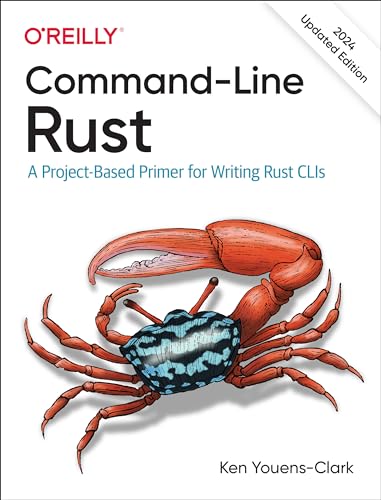

- PREVENTS RUST RINGS - This silicone rubber cap is specifically designed to eliminate stubborn rust stains caused by shaving cream cans
- REUSABLE - When one shaving can runs out, simply remove the cap and place it on a new can
- SAVES TIME AND MONEY - With almost no effort at all, users no longer spend hours scrubbing unsightly rust rings that are nearly impossible to remove

- ECO-SMART RUST PROTECTION SPRAY: TOUGH ON RUST, SAFE FOR NATURE Gear Hugger’s eco-friendly rust protection spray for metal removes rust, displaces moisture, and prevents corrosion on metal surfaces. This plant-powered formula is USDA Certified bio-based and biodegradable for powerful rust removal without harmful chemicals like PTFE or petroleum and sustainable rust protection for cars, tools, and outdoor equipment. Keep your gear in top condition without compromising the planet.
- UNBEATABLE RUST REMOVER FOR METAL: MAXIMUM STRENGTH, UNMATCHED RESULTS This powerful rust remover spray works on surfaces including aluminum, steel, and wool and is easy to use—just spray and brush to remove rust or leave on for extended rust protection. If you’re looking for rust remover for stainless steel or rust remover for concrete this product is the perfect choice. This pro-grade anti corrosion spray helps protect against the elements to maintain durability of outdoor equipment.
- ADVANCED CORROSION INHIBITOR: STOPS RUST BEFORE IT STARTS - This advanced anti-corrosion spray creates a durable barrier that shields metal surfaces from moisture, air, and corrosive elements. Perfect for vehicles, machinery, and outdoor equipment exposed to harsh environments and an excellent battery terminal protector with rust inhibitor properties. Choose this proactive solution to stop rust from forming and keep your equipment in optimal condition.
- PROTECT EXPENSIVE SHOP EQUIPMENT – T-9 helps prevent rust and corrosion on valuable woodworking tools, machinery and hardware so professionals and enthusiasts can reduce maintenance and extend equipment life.
- WOODWORKING-FRIENDLY DRY WAX FINISH – The formula penetrates and displaces moisture, then dries to a thin waxy film that helps protect metal without leaving a wet, oily surface that readily attracts sawdust and shop dust.
- FOR TABLE SAWS, JOINTERS, PLANERS & MORE – Use on compatible cast iron tops, fence rails, miter gauges, drill presses, hand tools, hinges and moving shop components that need dependable lubrication and corrosion protection.

- [Four Holders for a Full Dinner Table] Four classic round-base holders — one at each place setting for clean, symmetrical candlelight. The simple design lets your meal be the star while the holders quietly frame every course
- [Matte Black Iron, Built to Last] Solid iron with a rust-proof powder coating that resists chipping, fading, and wear. The frosted matte surface hides fingerprints and looks clean even after heavy use
- [Stable Base, 0.87" Standard Taper Fit] Wide footprint keeps candles securely upright — no wobbling on any table. The opening fits standard 0.87-inch tapers, the most common size for dining, wedding, and church candlesticks
- Weather and corrosion resistant coating protects exterior/interior surfaces like wood, metal, concrete, masonry and more
- Oil-based formula provides a durable protective coating with excellent rust prevention
- Dries to the touch in 2-4 hours and covers up to 90 sq. ft.
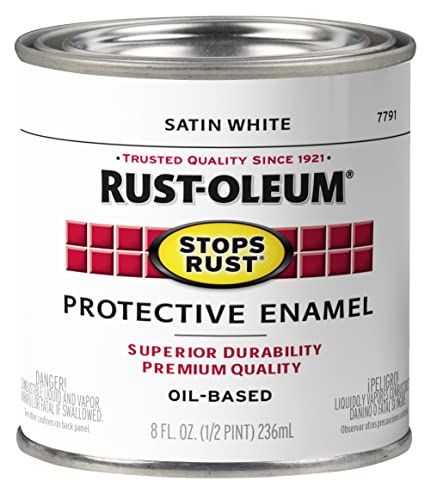
- Weather and corrosion resistant coating protects exterior/interior surfaces like wood, metal, concrete, masonry and more
- Oil-based formula provides a durable protective coating with excellent rust prevention
- Dries to the touch in 2-4 hours and covers up to 25 sq. ft.
Building Your Fortress: A Rust Base Buying Guide
So, you’re ready to dive into the world of Rust and build your own survival stronghold. That’s awesome! But with so many options, choosing the right base can feel a bit overwhelming. Don’t worry, this guide will help you find the perfect foundation for your Rust adventures.
What Makes a Great Rust Base? Key Features to Look For
When you’re picking out a Rust base, think about what will keep you safe and help you thrive. Here are the most important things to consider:
- Durability: This is super important. A strong base can withstand raids from other players. Look for bases made with tough materials.
- Security: You want to keep your precious loot safe. Good bases have multiple layers of defense. Think about how hard it is for enemies to get inside.
- Space: You need room for all your crafting stations, storage boxes, and sleeping bags. A base that’s too small will feel cramped.
- Raid Cost: This is how much it costs in-game resources (like explosives) to break into a base. A good base has a high raid cost, making it a tough target.
- Upkeep: Bases need to be repaired over time. Some bases require more upkeep than others. Think about how much time you want to spend on repairs.
What’s it Made Of? Important Materials
The materials used to build your base make a big difference. They affect how strong it is and how much it costs to raid.
- Wood: This is the weakest material. It’s easy to get but breaks down quickly. You’ll start with wood, but you’ll want to upgrade fast.
- Stone: Stone is much stronger than wood. It’s a good mid-game material. It can take more hits before breaking.
- Metal: Metal is a solid choice for bases. It’s stronger than stone and offers good protection.
- Armored: This is the toughest material in Rust. Armored bases are very hard to raid. They are usually the final upgrade for serious survivors.
Quality Matters: Factors That Improve or Reduce Your Base’s Strength
Not all bases are created equal. Some designs are just better than others.
- Honeycomb: This means adding extra layers of walls around your base. It makes raiders have to break through more defenses. This is a big plus for security.
- Tool Cupboard Placement: The tool cupboard is what prevents others from building near your base. Putting it in a secure spot is key.
- Doorway Placement: Where you put your doors matters. Smart placement can force raiders to break through multiple doors, increasing the raid cost.
- Air Locks: These are small rooms with two doors. They stop raiders from easily getting into your main base if they break through the first door.
- Weak Points: Some base designs have obvious weak spots. These can be areas with fewer walls or easy-to-reach foundations. These reduce the quality of your base.
Living the Rust Life: User Experience and Use Cases
How a base feels to use and what you can do with it is important.
- Solo Players: If you play alone, you need a base that’s easy to defend and doesn’t require a lot of upkeep. Smaller, well-designed bases are often best.
- Small Groups: Teams can build bigger and more complex bases. They can share the workload of gathering resources and defending.
- Large Groups/Clans: Big groups can build massive fortresses. These bases can have multiple layers of defense, dedicated crafting areas, and storage for tons of loot.
- Early Game: When you first start, a simple twig or wood base is enough. It helps you gather resources and stay safe from animals and weaker players.
- Late Game: As you get better gear and more resources, you’ll want to upgrade to stone, metal, and eventually armored bases. These are for serious players who want to hold their ground.
Rust Base FAQs: Your Burning Questions Answered
Here are some common questions people have about choosing and building Rust bases.
Q: What’s the best material for a beginner’s base?
A: For beginners, starting with a wood base is common. But you should upgrade to stone as soon as you can. Stone offers much better protection.
Q: How important is honeycomb in a Rust base?
A: Honeycomb is very important. It adds extra layers of walls. This makes it much harder and more expensive for raiders to break into your base.
Q: Should I worry about the raid cost of a base?
A: Yes, absolutely. A higher raid cost means enemies will need more explosives to get in. This usually makes them choose an easier target.
Q: What’s an airlock and why is it good?
A: An airlock is a small room with two doors. If raiders break through your first door, they still have to get through a second door to enter your main base. This slows them down.
Q: How often do I need to repair my base?
A: You need to repair your base when it takes damage. This can happen from players raiding, environmental damage, or decay if you don’t maintain it. Bases made of stronger materials need repairs less often.
Q: Can I build a base anywhere?
A: You can build almost anywhere, but some spots are better than others. Building near resources like wood and stone is helpful. Avoid building too close to enemy bases or high-traffic areas at first.
Q: What’s the difference between a solo base and a group base?
A: Solo bases are usually smaller and simpler. They focus on being easy to defend with one person. Group bases can be much larger and more complex, with more storage and defenses.
Q: Is it worth it to build an armored base?
A: Yes, if you have the resources. Armored bases are the strongest in the game. They are very hard to raid and are great for protecting a lot of loot.
Q: What should I do if my base gets raided?
A: Don’t get discouraged! Take what you can from the wreckage, gather more resources, and rebuild. Learn from what happened and try to make your next base even stronger.
Q: Where can I find good Rust base designs?
A: Many players share their base designs online. You can find them on YouTube, Reddit, and other gaming forums. Looking at these can give you great ideas for your own builds.

Hi, I’m Tom Scalisi, and welcome to The Saw Blog! I started this blog to share my hands-on experience and insights about woodworking tools—especially saws and saw blades. Over the years, I’ve had the chance to work with a wide range of tools, and I’m here to help both professionals and hobbyists make informed decisions when it comes to selecting and using their equipment. Whether you’re looking for in-depth reviews, tips, or just advice on how to get the best performance out of your tools, you’ll find it here. I’m excited to be part of your woodworking journey!