
Ever feel like your brain is a race car without a driver, constantly zooming from one thought to the next? If you have ADHD, you know that feeling well. Finding ways to manage that energy and focus can be tough, and when it comes to exercise, it can feel like another puzzle to solve.
Many adults with ADHD find it hard to stick with a fitness routine. Maybe you start strong but then get bored, or perhaps the sheer number of choices feels overwhelming. You want to feel better, have more energy, and manage your symptoms, but where do you even begin? It’s frustrating when you know exercise can help, but actually doing it feels like a battle.
But what if there was a way to make exercise not just manageable, but actually enjoyable and beneficial for your ADHD brain? This post will explore simple, effective exercise strategies designed specifically for adults with ADHD. You’ll discover how movement can calm your mind, boost your focus, and give you a much-needed energy lift. Get ready to find your perfect fit and make fitness a positive part of your life.
Top Exercise For Adhd Adults Recommendations


- ✔ RELEASE STRESS, TENSION OR FIDGET – Superb for ADHD, carpal tunnel syndrome, soreness, etc.
- ✔ EXERCISE & SQUEEZE ANXIETY AWAY – Workout hands while tingling your senses with these gel balls.
- ✔ REHAB INJURIES – Diminish stiffness & joint pain by stimulating blood circulation.

- Texture Ball: Durable, Wavy - Textured Stress Relief Toy.Experience unparalleled relaxation with the Texture Ball. Its tough, wavy-textured exterior encases a high-density gel filler, offering a soothing tactile experience. These brightly colored, soft balls are perfect for stress relief, catering to individuals with ADD/ADHD, OCD, autism, or high anxiety levels. Measuring 2 x 2.3 x 1.4 inches, these compact and portable stress balls can easily fit into your bag.
- Safe and Easy to Clean - Crafted from safe rubber material, our children's pressure ball is soft, flexible, and durable, capable of withstanding repeated squeezing, stretching, and bending. These non-toxic and odorless sensory toys are safe for both children and adults. Cleaning is a breeze—simply wipe with a damp cloth or wash with soap and water to keep them looking and feeling like new.
- Multi-Functional Squeeze Ball - Beyond stress relief, sensory balls serve as excellent tools for wrist, hand, and finger exercises, promoting children's intellectual development. These toys enhance vision and hand-eye coordination, making them effective for children with ADHD, ADD, or autism. They aid in relaxation, concentration, and foster sensory and tactile experiences, encouraging cognitive development and curiosity.
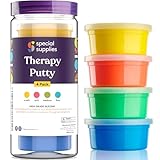
- Stretchy Soft Therapy Putty – This hand therapy putty is designed to stimulate your hands and fingers while improving strength by allowing you to stretch, pull, pinch, twist, and smush it for endless fun and relaxation.
- Fun Colors – Every set of our therapy putty for adults and teens comes with 4 individual containers of putty, each with its own brilliant color. This makes it easier for color-coded therapy or rotating their daily use.
- Strengthens Hand Muscles – Occupational therapy putty is a great way to strengthen the joints and muscles in your hands and fingers while providing a tactile sensory experience that stimulates fine motor development or injury recovery.
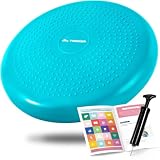
- HELP SIT CALMER & STAY ENGAGED:Designed as balance cushion and wobble cushion, it provides gentle movement and sensory feedback to help active kids feel more comfortable during homework, reading, classroom activities, and quiet time
- SUPPORT BETTER SITTING HABITS EVERY DAY:More than a seat cushion, this sensory cushion encourages natural movement while sitting. Use it for reading, drawing, gaming, and learning activities to create a calmer daily routine
- CORE CHALLENGE TO YOUR WORKOUT:Use this balance disc for yoga, Pilates, core exercises, stretching, and stability training. The unstable surface helps engage muscles and improve body awareness during workouts

Finding the Right Exercise for Your ADHD Brain
Living with ADHD as an adult brings unique challenges and strengths. When it comes to exercise, finding activities that work *with* your brain, not against it, is key. This guide will help you choose exercises that boost focus, manage energy, and make fitness fun.
1. Key Features to Look For
What makes an exercise good for ADHD adults?
- Engaging and Fun: You need activities that capture your attention. If it’s boring, you won’t stick with it.
- Variety: Doing the same thing every day can lead to boredom. Look for exercises that offer different movements or environments.
- Clear Goals: Having a simple, achievable goal helps you stay motivated. This could be a certain number of reps, minutes, or distance.
- Sensory Input: Some people with ADHD benefit from activities with strong sensory feedback, like jumping, pounding, or rhythmic movements.
- Flexibility: Life with ADHD can be unpredictable. Choose exercises that you can do at different times or in different places.
2. Important Materials and Equipment
What do you need to get started?
The great news is that you don’t need a lot of fancy gear! Many effective exercises require minimal equipment.
- Comfortable Clothing: Wear clothes that let you move freely.
- Good Shoes: Proper footwear is important for safety and comfort, especially for running or jumping.
- Water Bottle: Staying hydrated is always important.
- Optional: Depending on your chosen activity, you might consider things like a yoga mat, resistance bands, or a jump rope.
3. Factors That Improve or Reduce Quality
What makes exercise a win or a fail?
Factors that Improve Quality:
- Consistency: Even short bursts of activity regularly are better than one long workout once in a while.
- Enjoyment: If you love it, you’ll do it! Experiment to find what brings you joy.
- Social Connection: Exercising with a friend or group can boost accountability and fun.
- Mindfulness: Paying attention to your body and the sensations during exercise can enhance the benefits.
Factors that Reduce Quality:
- Overwhelm: Trying to do too much too soon can lead to frustration. Start small.
- Boredom: Sticking to something you find dull will likely lead to quitting.
- Perfectionism: Don’t worry about doing it perfectly. Just do it.
- Lack of Planning: Sometimes, just having a plan, even a simple one, makes it easier to start.
4. User Experience and Use Cases
How does exercise help adults with ADHD?
Exercise is a powerful tool for managing ADHD symptoms. It can improve focus, reduce impulsivity, and boost mood.
Use Cases:
- Morning Boost: A quick workout can help you feel more alert and ready for the day.
- Stress Relief: Physical activity is a great way to burn off excess energy and reduce anxiety.
- Improved Sleep: Regular exercise can help you fall asleep faster and sleep more soundly.
- Focus Enhancement: Many people find that exercise improves their ability to concentrate on tasks.
- Creative Spark: Sometimes, movement can unlock new ideas and solutions.
Think about activities that offer a good balance of challenge and fun. Dancing, martial arts, team sports, hiking, and even vigorous cleaning can be great options. The best exercise is the one you’ll actually do!
Frequently Asked Questions (FAQ)
Q: What are the best types of exercise for adults with ADHD?
A: The best exercises are those that are engaging, provide sensory input, and are fun for you. This could include dancing, running, swimming, martial arts, team sports, or even activities like jumping rope.
Q: How much exercise should an adult with ADHD do?
A: Aim for at least 150 minutes of moderate-intensity aerobic activity per week, plus muscle-strengthening activities twice a week. But remember, consistency is more important than intensity when you’re starting out.
Q: I get bored easily. How can I stay motivated with exercise?
A: Mix up your routine! Try new activities, exercise with a friend, listen to music or podcasts, or set small, achievable goals. Focus on how good you feel after exercising.
Q: Is it okay to exercise for short periods throughout the day?
A: Absolutely! Breaking up your exercise into shorter sessions can be very effective for adults with ADHD. Even 10-15 minutes at a time can make a difference.
Q: What if I don’t like traditional gyms?
A: There are many alternatives! You can exercise at home, outdoors, or join a class that interests you. Think outside the box – hiking, cycling, or even active video games count!
Q: How can exercise help with focus and concentration?
A: Exercise increases blood flow to the brain, which can improve cognitive functions like attention and memory. It also helps regulate neurotransmitters that are important for focus.
Q: Should I consult a doctor before starting a new exercise program?
A: It’s always a good idea to talk to your doctor before starting any new exercise routine, especially if you have any underlying health conditions.
Q: What are some good beginner exercises for adults with ADHD?
A: Walking, jogging, yoga, bodyweight exercises at home (like squats and push-ups), and dancing are great starting points. Keep it simple and build from there.
Q: Can exercise help with impulsivity?
A: Yes, physical activity can help manage impulsivity by providing an outlet for excess energy and improving self-regulation skills.
Q: How do I choose the right exercise if I have a lot of energy to burn?
A: Look for high-intensity activities like HIIT workouts, running, boxing, or sports that require quick movements. These can be very effective for channeling that energy.

Hi, I’m Tom Scalisi, and welcome to The Saw Blog! I started this blog to share my hands-on experience and insights about woodworking tools—especially saws and saw blades. Over the years, I’ve had the chance to work with a wide range of tools, and I’m here to help both professionals and hobbyists make informed decisions when it comes to selecting and using their equipment. Whether you’re looking for in-depth reviews, tips, or just advice on how to get the best performance out of your tools, you’ll find it here. I’m excited to be part of your woodworking journey!