
Is your internet connection constantly dropping, or does it feel slower than dial-up sometimes? You might have the fastest internet plan available, but a weak or old router can cripple your speed. Choosing the right wired cable router feels like a confusing puzzle. Stores pack shelves with boxes full of technical jargon like DOCSIS standards and gigabit ports. It’s easy to feel overwhelmed and just pick the cheapest one, only to be disappointed later.
Getting the right router is crucial for smooth streaming, lag-free gaming, and reliable work-from-home days. A bad choice means buffering screens and dropped video calls. This guide cuts through the confusion. We break down exactly what you need to look for in a modern wired cable modem router. By the end, you will understand the key features that deliver rock-solid performance.
Ready to stop fighting your connection and start enjoying blazing-fast internet? Let’s dive into the essential features that make a wired cable router a true powerhouse for your home network.
Top Wired Cable Router Recommendations

- Cat 6 performance at a Cat5e price but with higher bandwidth
- High Performance Cat6, 30 AWG, RJ45 Ethernet Patch Cable provides universal connectivity for LAN network components such as PCs,computer servers,printers,routers,switch boxes,network media players,NAS,VoIP phones
- Jadaol cat6 standard cable support Cat8 and Cat7 network and provides performance of up to 250 MHz 10Gbps and is suitable for 10BASE-T, 100BASE-TX (Fast Ethernet), 1000BASE-T/1000BASE-TX (Gigabit Ethernet) and 10GBASE-T (10-Gigabit Ethernet)
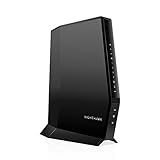
- CABLE INTERNET AND WIFI MADE FOR YOUR HOME: This two-in-one cable modem and WiFi router puts every setting in your hands, from your WiFi names and passwords to how your network runs, so it works the way your household needs.
- APPROVED FOR YOUR PROVIDER AND PLAN: Works with Xfinity internet plans up to 800Mbps, Spectrum up to 1Gbps, and Cox up to 1Gbps. Not compatible with Verizon, AT&T, CenturyLink, DirecTV, DISH, or bundled voice plans. ISP activation required after setup.
- GET THE FULL SPEED OF YOUR PLAN: DOCSIS 3.1 supports Gigabit+ cable internet plans, so large downloads finish faster and 4K streaming, gaming, and video calls can all run at once. Actual speeds vary by plan and provider.
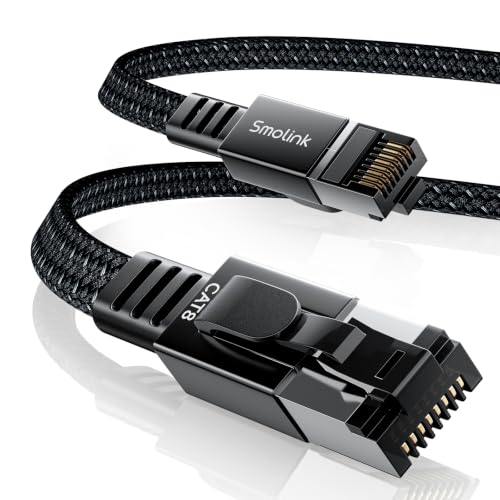
- Cat 8 Speed, Cat 5/5e Value Enjoy Cat 8 Ethernet cable performance at a Cat 5/5e-level value. With up to 40Gbps speed and 2000MHz bandwidth, this high speed internet cable delivers more bandwidth than standard Cat 5 and Cat 5e cables, helping support smooth gaming, streaming, video calls, large file transfers and everyday wired network use.
- 40Gbps Speed, Wide Compatibility This Cat 8 Ethernet cable supports up to 40Gbps data transfer and 2000MHz bandwidth for fast, reliable internet performance. Standard RJ45 connectors are backward compatible with Cat7, Cat6, Cat6a and Cat5e devices, including routers, modems, switches, gaming PCs, PS5, PS4, Xbox, smart TVs, laptops and printers.
- Stable U/FTP Shielding Each of the 4 twisted pairs is individually wrapped with aluminum foil to help reduce crosstalk, noise, and signal interference. Combined with RJ45 connectors on both ends, the U/FTP design helps maintain cleaner signal transmission for a stable and reliable wired network connection.

- High Performance Cat6 Cable - The Cat6 ethernet cables 100ft supports frequencies of up to 500 MHz and high-speed 10GB internet connection for LAN network applications such as PCs,computer servers,printers,routers,switch boxes,network media players,NAS,VoIP phones and more, while remaining fully backward compatible with your existing network.
- Outdoor&Indoor Ethernet Cable - The cat 6 ethernet patch cable features 8 solid copper conductors 24 AWG. Each of the 4 unshielded twisted pairs (UTP) are separated by a PE cross insulation to isolates pairs and prevent crosstalk and covered by a 5.8mm PVC jacket with RJ45 connectors and gold-plated contacts. The molded strain relief boots help avoid snags that will damage your cables. They are molded for flexibility and resist common wear and tear.
- Lan Cable with RJ45 - UTP(Unshielded Twisted Pair) patch cable with RJ45 gold-plated Connectors, this cat6 cable support Cat8 and Cat7 network and provides performance of up to 500 MHz 10Gbps and is suitable for 10BASE-T, 100BASE-TX (Fast Ethernet), 1000BASE-T/1000BASE-TX (Gigabit Ethernet) and 10GBASE-T (10-Gigabit Ethernet)

- CABLE INTERNET AND WIFI MADE FOR YOUR HOME: This two-in-one cable modem and WiFi router puts every setting in your hands, from your WiFi names and passwords to how your network runs, so it works the way your household needs.
- APPROVED FOR YOUR PROVIDER AND PLAN: Works with Xfinity internet plans up to 800Mbps and Cox plans up to 500Mbps. Not compatible with Verizon, AT&T, CenturyLink, DirecTV, DISH, or bundled voice plans. ISP activation required after setup.
- GET THE FULL SPEED OF PLANS UP TO 800 MBPS: DOCSIS 3.0 delivers plenty of speed for HD and 4K streaming, online gaming, and video calls across your home. Actual speeds vary by plan and provider.

- Cat 6 performance at a Cat5e price but with higher bandwidth
- High Performance Cat6, 30 AWG, RJ45 Ethernet Patch Cable provides universal connectivity for LAN network components such as PCs,computer servers,printers,routers,switch boxes,network media players,NAS,VoIP phones
- Jadaol cat6 standard cable support Cat8 and Cat7 network and provides performance of up to 250 MHz 10Gbps and is suitable for 10BASE-T, 100BASE-TX (Fast Ethernet), 1000BASE-T/1000BASE-TX (Gigabit Ethernet) and 10GBASE-T (10-Gigabit Ethernet)

- Multi‑Gig speed for today & tomorrow: DOCSIS 3.1 performance supports cable internet plans up to 2 Gbps, delivering ultra‑fast streaming, gaming, and downloads.
- Save on rental fees: Own your modem and avoid monthly equipment charges—check with your cable provider for plan compatibility.
- Compact, modern design: Space‑saving footprint with discrete LED indicators for power, upstream/downstream, and online status.

- Dual-band Wi-Fi with 5 GHz speeds up to 867 Mbps and 2.4 GHz speeds up to 300 Mbps, delivering 1200 Mbps of total bandwidth¹. Dual-band routers do not support 6 GHz. Performance varies by conditions, distance to devices, and obstacles such as walls.
- Covers up to 1,000 sq. ft. with four external antennas for stable wireless connections and optimal coverage.
- Supports IGMP Proxy/Snooping, Bridge and Tag VLAN to optimize IPTV streaming
Choosing Your Perfect Wired Cable Router: A Buyer’s Guide
A wired cable router is the heart of your home internet setup. It connects your modem to all your wired devices, like desktop computers, gaming consoles, and smart TVs. Picking the right one ensures fast, stable internet for everyone. This guide helps you navigate the choices.
Key Features to Look For
When shopping for a wired router, focus on these important features:
- Ethernet Port Speed (Gigabit vs. 10/100): Look for Gigabit Ethernet (10/100/1000 Mbps) ports. This means your wired connections can handle the fastest internet speeds your service provides. Slower 10/100 ports will bottleneck your speed.
- Number of Ports: Count how many devices you need to plug in directly. Most home routers offer four LAN (Local Area Network) ports. If you need more, consider a model with more ports or a separate network switch.
- Quality of Service (QoS): QoS features let you prioritize traffic. For example, you can tell the router to always give priority to your video conference call over background downloads. This keeps important tasks running smoothly.
- Security Features: Strong built-in firewalls are essential. Look for support for WPA2 or WPA3 security protocols, even though this is a wired router, network security starts here.
Important Materials and Build Quality
The physical build affects how long your router lasts and how well it performs under heavy use.
Internal Components
- Processor Speed: A faster internal processor helps the router manage many data streams at once without slowing down. Think of it as the router’s brainpower.
- RAM (Memory): More RAM allows the router to remember more connections and settings instantly, improving responsiveness.
- Heat Dissipation: Good routers have vents or metal components to let heat escape. If a router gets too hot, performance drops sharply. Check reviews for comments on overheating.
External Build
Most routers use durable plastic casings. Pay attention to the quality of the physical ports. Well-made RJ-45 ports hold the cables securely. Cheaply made ports might loosen over time, causing intermittent connection drops.
Factors That Improve or Reduce Quality
The quality of your internet experience depends on several factors:
Factors That Improve Quality
- Firmware Updates: Manufacturers who regularly release firmware updates improve security and add new features. This keeps your hardware running optimally.
- Sufficient Bandwidth Support: Ensure the router is rated to handle the maximum speed tier you pay your internet provider for (e.g., support for 1 Gbps throughput).
- Low Latency: Low latency means less delay, which is critical for competitive online gaming and video calls. Good internal hardware generally provides lower latency.
Factors That Reduce Quality
- Outdated Standards: Buying a router built for older standards (like Fast Ethernet instead of Gigabit) severely limits your speed potential.
- Poor Internal Wiring: Low-quality internal connections or cheap components cause data errors and slowdowns, especially when the router is busy.
- Overloading the Device: Trying to run 20 demanding devices through a basic, low-end router will reduce quality for everyone connected.
User Experience and Use Cases
How you plan to use the router should guide your purchase.
For the Gamer or Streamer
If you game competitively or stream 4K video constantly, prioritize Gigabit ports and excellent QoS settings. You need a router that guarantees the fastest, most consistent path between your console/PC and the modem. Wired connections offer far less jitter (variation in delay) than Wi-Fi.
For the Home Office User
A home office requires reliability. Look for a simple, robust router that supports high uptime. You likely need at least two dedicated ports—one for your workstation and one for a network printer or Network Attached Storage (NAS) device.
For General Family Use
If you just need stable connections for smart TVs and occasional browsing, a standard four-port Gigabit router offers excellent value. Focus less on extreme processing power and more on reliability and ease of setup.
10 Frequently Asked Questions (FAQ) About Wired Cable Routers
Q: What is the difference between a modem and a router?
A: The modem brings the internet signal into your home from your provider. The router takes that signal and shares it with all your different devices, managing the traffic between them.
Q: Do I need a wired router if I only use Wi-Fi?
A: Yes, most people still need a router, even if they use Wi-Fi. If your “modem” is a modem/router combo unit, you might not need a separate one. If you have a separate modem, you need a router to share that connection.
Q: Is Gigabit Ethernet really necessary today?
A: Absolutely. If your internet plan offers speeds above 100 Mbps, Gigabit ports (1000 Mbps) are necessary to avoid bottlenecks on your wired devices.
Q: How do I set up a wired router?
A: Connect the modem’s Ethernet output to the router’s WAN (or Internet) port. Then, plug your computer into one of the router’s LAN ports. You usually access the setup screen through a web browser address provided in the manual.
Q: Can I use a router that is too old?
A: You can use an old router, but its performance will suffer. Older hardware often cannot handle modern internet speeds, resulting in slower downloads for everyone.
Q: What is QoS, and why should I care?
A: QoS stands for Quality of Service. You should care because it lets you tell the router which devices or applications are most important, ensuring they get the fastest data path first.
Q: Are wired routers safer than wireless routers?
A: Wired connections are inherently more secure because someone needs physical access to plug into your network. However, both types rely on strong firewall settings for protection.
Q: Do I need a special cable for a wired router?
A: You need standard Ethernet cables. For Gigabit speeds, use Cat5e or Cat6 cables. Older Cat5 cables might sometimes struggle with very high speeds.
Q: What does “throughput” mean for a router?
A: Throughput is the actual amount of data the router can successfully send and receive over a period. Higher throughput means better performance under load.
Q: How often should I update my router’s firmware?
A: You should check for updates when you first set up the device and then check every few months, or whenever the manufacturer releases a major security update.

Hi, I’m Tom Scalisi, and welcome to The Saw Blog! I started this blog to share my hands-on experience and insights about woodworking tools—especially saws and saw blades. Over the years, I’ve had the chance to work with a wide range of tools, and I’m here to help both professionals and hobbyists make informed decisions when it comes to selecting and using their equipment. Whether you’re looking for in-depth reviews, tips, or just advice on how to get the best performance out of your tools, you’ll find it here. I’m excited to be part of your woodworking journey!