
Does your beloved cat constantly scratch, lick, or chew at their skin? Seeing your furry friend uncomfortable is heartbreaking. Many cat owners face this frustrating problem, often pointing to food allergies as the culprit. Navigating the world of cat food ingredients can feel like a minefield. Should you choose grain-free? What about novel proteins? The labels are confusing, and the wrong choice can keep your cat itchy and miserable.
You want relief for your pet, but figuring out which food will actually help is a huge challenge. This post cuts through the confusion. We will break down exactly what causes cat food skin allergies and show you simple steps to identify trigger ingredients. By the end of this guide, you will feel confident choosing a diet that soothes your cat’s skin and brings back their happy purr. Let’s uncover the secrets to a healthier, itch-free feline!
Top Cat Food Skin Allergies Recommendations
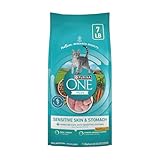
- Real turkey is the first ingredient in our high protein cat food to help support strong muscles, including a healthy heart in adult cats
- Made for cats with sensitive systems, this Purina ONE sensitive stomach cat food features an easily digestible formula with added prebiotic fiber
- Crunchy cat food with calcium supports strong teeth and healthy gums, and four antioxidant sources help support a healthy immune system

- Sensitive skin cat food with natural prebiotic fiber that nourishes specific intestinal bacteria for digestive health and fortified with guaranteed live probiotics for digestive and immune health
- This allergen-reducing cat food is the first that significantly reduces the major allergen in cat hair and dander and is formulated with an egg-based protein to neutralize the common allergen Fel D 1
- Discovered through over a decade of research, this low allergen cat food is shown to reduce allergens in cat hair and dander by 47 percent on average starting in the 3rd feeding week

- Highly digestible pate cat food formula nourishes skin and coat and is made with real duck or Arctic char for a taste cats love
- Natural prebiotic fiber in sensitive stomach cat food helps support digestive health
- Wet cat food pate provides focused nutrition to support unique needs and includes antioxidants to support a healthy immune system plus vitamin A and taurine to support healthy vision

- Cat kibble that reduces the major allergen in cat hair and dander by an average of 47 percent starting in 21 days
- Cat allergen-reducing food that also delivers 100 percent nutrition and 0 percent fillers
- Real Chicken is the number 1 ingredient in this adult cat food– your cat will love the taste

- ALLERGY & ITCH RELIEF FOR CATS: Is your cat constantly scratching, licking, or chewing? Our natural cat allergy relief drops formula is designed to help calm irritated skin. It supports comfort for cats dealing with seasonal and environmental factors, promoting a peaceful state without the constant discomfort.
- GUT & COAT SUPPORT: A healthy cat starts from within. This formula features Omega-3, which can provide your cat supplies with Omega-3 fatty acids EPA and DHA, supporting immune health with cat skin allergy relief benefits while providing itch relief for cats. Probiotics help enhance your cat's digestive health and boosting overall wellness.
- NATURAL IMMUNE SUPPORT: Fortified with a blend of trusted herbs like Echinacea, Elderberry, and Olive Leaf, our drops provide powerful support for your cat's natural immune system. This helps their body better manage its response to common environmental irritants.

- TAILORED FOR SENSITIVE SKIN: Royal Canin Hair & Skin Care Dry Cat Food is tailored nutrition for cats 1 year and older with dry skin and coats
- SHINY COAT: Significantly improves coat shine after 21 days of exclusive use*
- PROTECTS SKIN: Precisely balanced nutrients help protect sensitive skin and maintain its protective barrier

- Get your cat back to feeling good with Go! Solutions, a Canadian pet food brand. Find tailored nutrition solutions you can trust, made by experts to meet your cat's dietary needs.
- Sensitivities Limited Ingredient recipes can help cats with food intolerances and sensitive stomachs. They provide complete and balanced nutrition with fewer ingredients and no common allergens like chicken, grains, corn, and soy.
- Supports Healthy Digestion: Supports your cat's sensitive stomach with prebiotic fiber from dried chicory root for healthy gut bacteria and good digestion

- REAL WHITEFISH FIRST: This Blue Buffalo dry cat food is made with real, high-quality whitefish as the #1 ingredient
- SKIN & STOMACH CARE: BLUE Basics dry cat food is made with healthy ingredients for gentle digestion, plus Omega 3 & 6 fatty acids to nourish skin and coat
- IMMUNE SYSTEM SUPPORT: This grain-free cat dry food contains exclusive, antioxidant-rich LifeSource Bits
The Ultimate Buying Guide: Solving Cat Skin Allergies with Food
Does your cat scratch a lot? Do they have itchy skin or patches of missing fur? Your cat might have a food allergy. Choosing the right food helps calm that irritation. This guide shows you what to look for when buying food for a cat with skin allergies.
1. Key Features to Look For
When shopping for allergy-friendly cat food, focus on these important features:
- Limited Ingredient Diets (LID): These foods use very few ingredients. This makes it easier to find and remove the ingredient causing the allergy.
- Novel Proteins: If your cat is allergic, it’s often to common proteins like chicken or beef. Novel proteins are things your cat has likely never eaten before, like duck, rabbit, or venison.
- Hydrolyzed Proteins: In some special prescription foods, proteins are broken down into pieces so small that your cat’s immune system cannot recognize them as allergens.
- Added Skin Support: Look for ingredients like Omega-3 fatty acids (EPA and DHA). These fats help reduce inflammation and soothe itchy skin.
2. Important Ingredients (What to Seek and What to Avoid)
The ingredients list tells the whole story. You must read it carefully.
Ingredients to Seek Out:
- Single, Named Protein Source: For example, the first ingredient should clearly state “Salmon” or “Lamb,” not “Meat By-Products.”
- Simple Carbohydrates: If the food contains carbs, choose easily digestible sources like sweet potato or peas instead of corn or wheat.
- Fish Oils: These oils are rich in Omega-3s, which are great for skin health.
Ingredients to Avoid:
- Common Allergens: Stay away from foods listing beef, dairy, chicken, eggs, wheat, and soy, especially when first testing for allergies.
- Artificial Additives: Dyes, artificial preservatives (like BHA or BHT), and excessive fillers do nothing to help your cat’s skin. They can sometimes make sensitivities worse.
3. Factors That Improve or Reduce Quality
The quality of the food directly impacts your cat’s health.
Factors That Improve Quality:
- High Digestibility: Better quality ingredients break down easily in the stomach. This means your cat absorbs more nutrients and less undigested material can trigger an immune response.
- Transparency: Brands that clearly list the exact protein source show they care about quality control.
Factors That Reduce Quality:
- “By-Products” or “Meat Meal”: These terms mean the protein source is unclear or low quality. They often hide multiple common allergens in one ingredient.
- Too Many Ingredients: A long ingredient list makes it very hard to track down the source of an allergic reaction.
4. User Experience and Use Cases
How does this food fit into your life and your cat’s routine?
Use Cases:
- Elimination Diets: Novel protein or hydrolyzed diets are essential for a veterinary-supervised elimination diet trial. This trial is the best way to confirm a food allergy.
- Long-Term Management: Once an allergen is identified, switching to a high-quality LID that avoids that trigger becomes the cat’s daily food.
Users often report that it takes 8 to 12 weeks of strict feeding on a new allergy diet before they see significant improvement in their cat’s skin. Patience is key. The best user experience comes from seeing visible results: less scratching, shinier coats, and a happier cat.
10 Frequently Asked Questions (FAQ) About Cat Food for Skin Allergies
Q: How long does it take for allergy food to work?
A: Most veterinarians suggest feeding the new food strictly for 8 to 12 weeks. You need this time for the old allergens to leave your cat’s system and for the skin to heal.
Q: Can I feed my cat wet food if they have allergies?
A: Yes. Wet food can be a great option because it often has fewer carbohydrates than dry kibble. Make sure the wet food also uses a limited ingredient or novel protein formula.
Q: What is the most common cat food allergy?
A: The most common allergies in cats are usually to proteins like beef, chicken, and fish. Dairy products can also cause digestive upset that mimics allergy symptoms.
Q: Should I see a vet before changing my cat’s food?
A: Absolutely. A veterinarian must rule out other causes of itching, like fleas or environmental allergies, before confirming a food allergy.
Q: What are Novel Proteins?
A: Novel proteins are protein sources your cat has never eaten before, such as kangaroo, venison, or alligator. These are used to avoid triggering a known allergy.
Q: Are prescription allergy foods better than over-the-counter options?
A: Prescription foods, especially hydrolyzed diets, are often more effective because the manufacturing process is strictly controlled to prevent cross-contamination with other proteins.
Q: What happens if my cat sneaks a treat?
A: Even one treat containing an allergen can restart the allergic reaction cycle. During an allergy trial, all treats and table scraps must stop completely.
Q: Does grain-free mean allergy-free?
A: No. A food can be grain-free but still contain common allergens like chicken or beef. You must check the specific protein source, not just the grains.
Q: How do I know if my cat is allergic to something in the environment instead of food?
A: Food allergies usually cause itching around the head, neck, and belly. Environmental allergies often show up as itching on the paws and ears. Your vet can help determine the cause.
Q: What role do Omega-3 fatty acids play?
A: Omega-3s, especially EPA and DHA from fish oil, act as natural anti-inflammatories. They help reduce the redness and itchiness associated with skin allergies.

Hi, I’m Tom Scalisi, and welcome to The Saw Blog! I started this blog to share my hands-on experience and insights about woodworking tools—especially saws and saw blades. Over the years, I’ve had the chance to work with a wide range of tools, and I’m here to help both professionals and hobbyists make informed decisions when it comes to selecting and using their equipment. Whether you’re looking for in-depth reviews, tips, or just advice on how to get the best performance out of your tools, you’ll find it here. I’m excited to be part of your woodworking journey!